Feature
Beyond the official schedule: Inside Garo’s people-first leadership

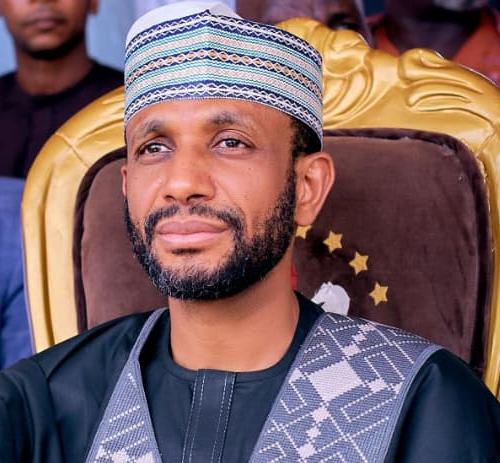
By Umar Idris Shuaibu, Kano
Public office is often measured by official engagements, policy decisions and high-profile events. Yet, beyond the ceremonies, meetings and public appearances lies another side of leadership that rarely attracts headlines but often leaves the deepest impression.
For the Deputy Governor of Kano State, His Excellency Alhaji Murtala Sule Garo, the day rarely ends with the official programme.
As one engagement gives way to another, visitors continue to arrive. Some come seeking intervention, others offer suggestions, while many simply hope for an opportunity to present their concerns personally. Despite the demands of office, one consistent pattern has emerged, that the Deputy Governor continues to make himself available to people whenever circumstances permit.
This may appear ordinary, but in public service it is far from routine.
Leadership is often associated with executive decisions and policy implementation. Equally important, however, is the willingness to listen. Governance does not only take place inside conference rooms or during official ceremonies; it is also reflected in everyday interactions between public officials and the citizens they serve.
Read Also:
Ganduje inaugurates humanitarian air terminal, tours FAAN clinic project
What Garo’s early role says about Kano’s power dynamics
Muhammad Garba: From newsroom leadership to the pinnacle of public service
Listening does not necessarily mean every request will receive immediate approval. Government operates within laws, policies and available resources. Yet giving people the opportunity to speak, to explain their concerns and to feel acknowledged remains an important aspect of democratic leadership.
Recent observations around the Deputy Governor’s office reflect this quiet commitment. After returning from official assignments, attending meetings or participating in government functions, there is often another responsibility waiting, that is not on the official itinerary, but at the reception area where citizens patiently wait for an audience.
These moments rarely appear in official communiqués, yet they often define how leadership is experienced by ordinary people.
Public confidence is built not only through projects and policies but also through accessibility, courtesy and respect. A handshake, a listening ear or a few moments devoted to understanding someone’s concern can sometimes leave a lasting impression beyond official announcements.
The responsibilities of government will always remain demanding. Official schedules will continue to expand, and expectations will always exceed available time. Yet leadership continues to find one of its strongest expressions in the ability to balance institutional responsibilities with human connection.
Perhaps that is why the most enduring measure of public office is not always found in the number of events attended, but in the willingness to remain accessible after those events have ended.
For Alhaji Murtala Sule Garo, the official engagements may define the office, but it is the moments between them, when one more visitor is welcomed, one more concern is heard and one more citizen leaves feeling acknowledged that quietly shape the character of his leadership.

Kano spends ₦2.7bn on publicity, honorarium, sitting allowances in six months
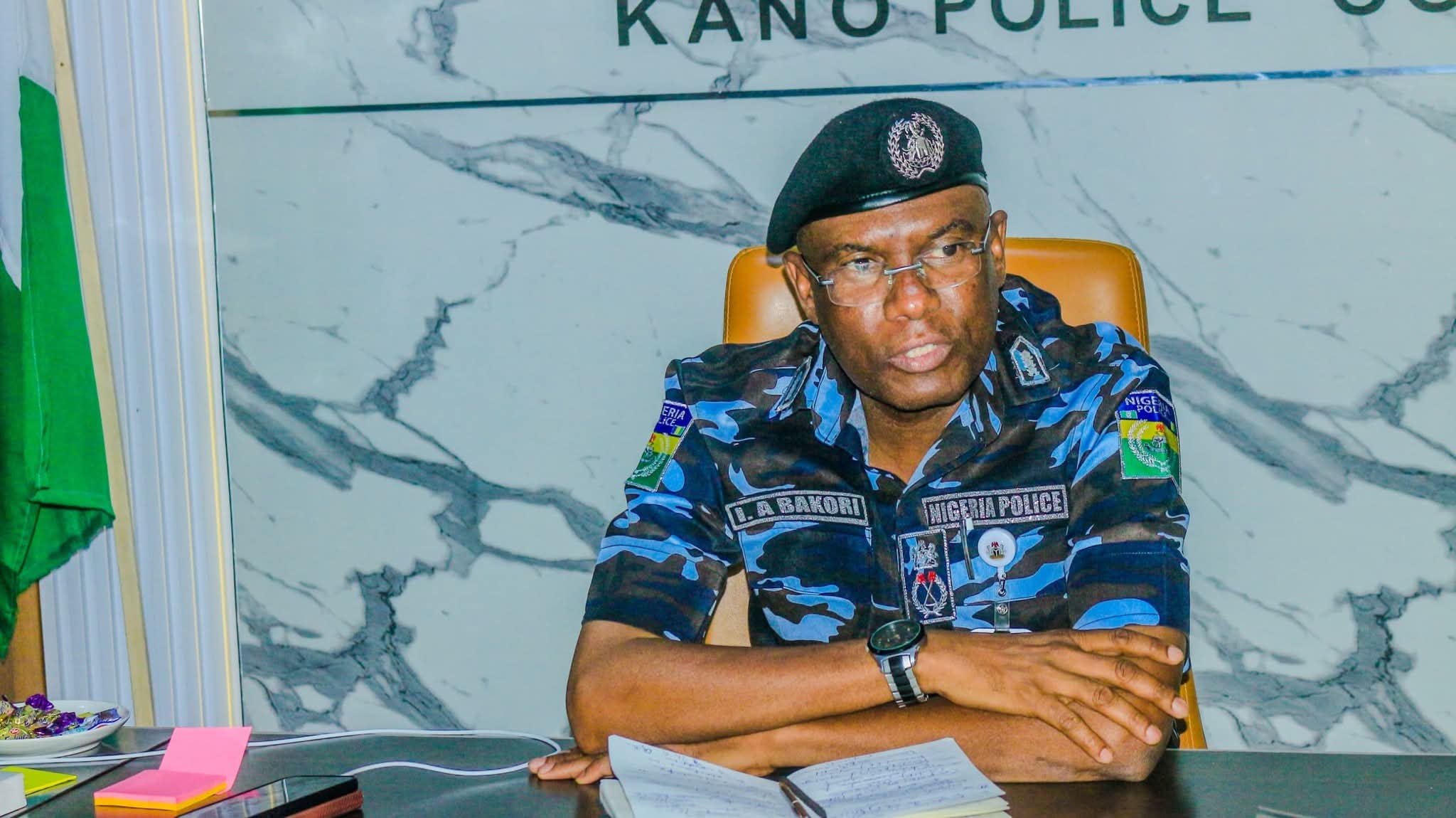
Kano Emirate Crisis: 200 CSOs to Honour CP Bakori for Peace Efforts

2027: ‘It’s Time to Pay Tinubu Back,’ Ganduje Tells Supporters

World Post Day: NIPOST highlights digital postcodes, logistics opportunities in Kano

A4A Appoints Abubakar Aminu Ibrahim as Mobilisation Secretary in Kano
ABCOAD Unveils Journal, Bids Farewell to Provost

Nigerian Army Begins DSSC 29/2026 Recruitment, Outlines Eligibility Criteria

2027: NDC Releases Full List of Consensus Candidates in Kano

Gaya Polytechnic Opens Recruitment, Advertises 46 Academic, Non-Academic Positions