
National
ADC Declares Convention Valid, Alleges Bias by INEC

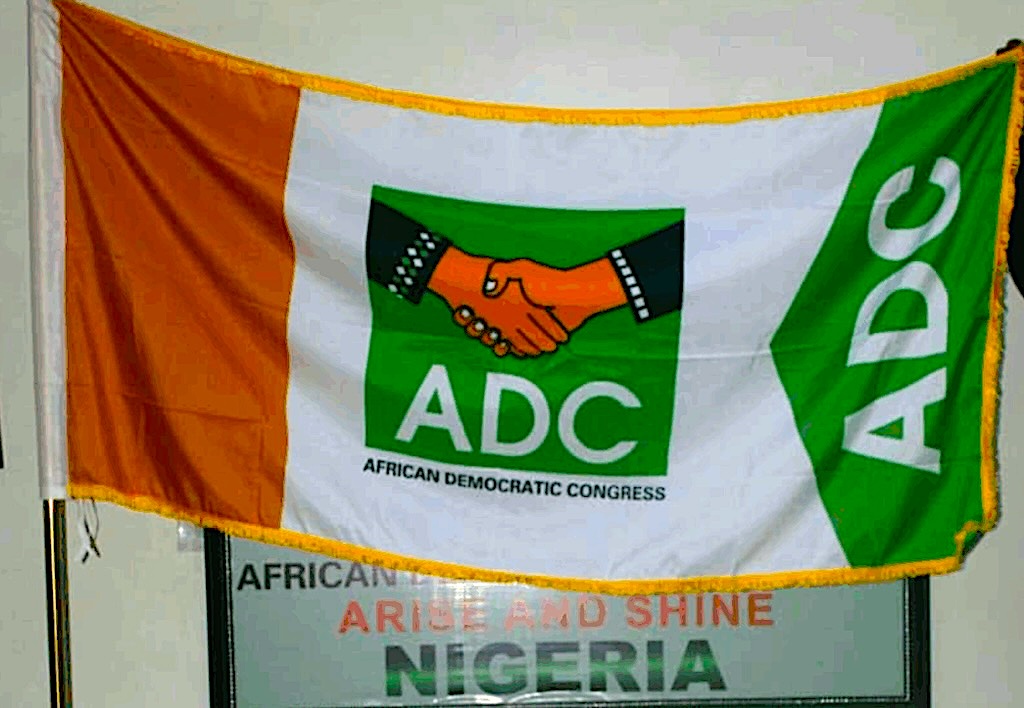
The African Democratic Congress (ADC) has declared its National Convention valid, accusing the Independent National Electoral Commission (INEC) of failing in its legal duty by refusing to attend and monitor the exercise.
The party warned that INEC’s absence could undermine public confidence in Nigeria’s electoral process ahead of the 2027 general elections.
Speaking at the convention held in Abuja on Tuesday, the ADC National Secretary, Rauf Aregbesola, defended the legitimacy of the exercise, insisting that all legal requirements were duly followed.
He stated that key decisions, including the approval of committees, the swearing-in of a caretaker committee, and the emergence of new executives, were conducted transparently and in accordance with party procedures.
According to Aregbesola, resolutions from an earlier National Executive Committee (NEC) meeting, where the former leadership was dissolved, had been communicated to INEC and acknowledged by the commission.
Read Also:
ADC Crisis Shows Danger of Weak Opposition — By Mustapha Nuhu Wali, mni
He maintained that the removal of the former National Working Committee (NWC) followed due process and remains binding, stressing that former members no longer have any claim to party offices.
The ADC scribe further argued that INEC had a statutory obligation under the Electoral Act to attend and monitor party conventions once duly notified.
He disclosed that the party fulfilled all requirements, including issuing the mandatory 21-day notice and submitting relevant documentation ahead of the convention.
“As a party, we have discharged our responsibility. It is now for INEC to fulfil its constitutional and legal obligations,” he said.
Aregbesola described INEC’s absence as an abdication of responsibility and a breach of the law, alleging that the commission’s action raises concerns about impartiality.
He further claimed that the refusal to monitor the convention could be interpreted as an attempt to delegitimise the party’s activities, warning against actions that may weaken opposition politics.
The ADC also dismissed suggestions that any court ruling justified INEC’s position, noting that no order prohibited the commission from attending or monitoring its convention.
Reaffirming the party’s legal status, Aregbesola stressed that the ADC remains a duly registered political party with nationwide structures and has not been proscribed by any law or court order.
Beyond the legal dispute, he warned of broader implications for Nigeria’s democracy, cautioning against any drift toward a one-party system.
“Democracy without opposition is autocracy,” he said, urging stakeholders, including the international community, to pay attention to developments within the country’s political space.
Meanwhile, the convention also served as a platform for the party to highlight ongoing reforms and political activities.
These include relocation to a new national secretariat in Abuja, a review of its constitution, and a nationwide membership mobilisation drive launched in February 2026.
The ADC confirmed its participation in recent elections, including the Anambra governorship poll and the FCT area council elections, acknowledging its losses but attributing them to factors such as incumbency advantage, monetisation, and internal challenges.
The party added that it is engaging in consultations with other political parties, including the Peoples Democratic Party (PDP), the Social Democratic Party (SDP), and the New Nigeria Peoples Party (NNPP), ahead of the 2027 elections.
Ward and local government congresses were held on April 9, followed by state congresses on April 11, culminating in the National Convention themed “A Nigeria that works for freedom, security and prosperity.”
Aregbesola urged party members to remain committed and united, expressing optimism that the party would achieve its political objectives with the support of Nigerians.

Kano Civil Service: Govt moves to address manpower gaps through recruitment
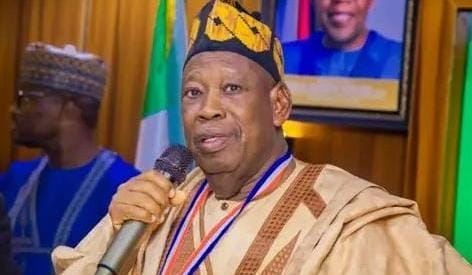
2027: Ganduje and APC heavyweights prepare for a defining political contest

Insecurity: Gunmen kill Islamic cleric, visitor in Dutsin-Ma

Every Kano State Lawmaker Should Support Governor Abba Kabir Yusuf, Regardless of Party Affiliation – Dr. Baffa Babba Dan’agundi

Nigeria records no cases after patient’s evacuation to Switzerland – WHO
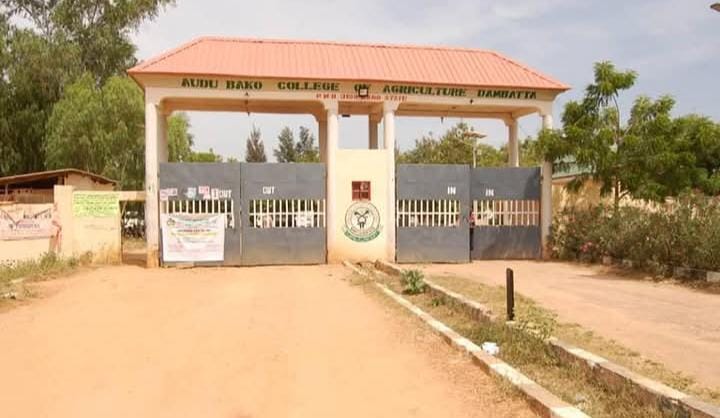
ABCOAD Unveils Journal, Bids Farewell to Provost

Nigerian Army Begins DSSC 29/2026 Recruitment, Outlines Eligibility Criteria
2027: NDC Releases Full List of Consensus Candidates in Kano

Gaya Polytechnic Opens Recruitment, Advertises 46 Academic, Non-Academic Positions