Economy
Nigeria’s N149trn Debt Threatens Stability – Abbas

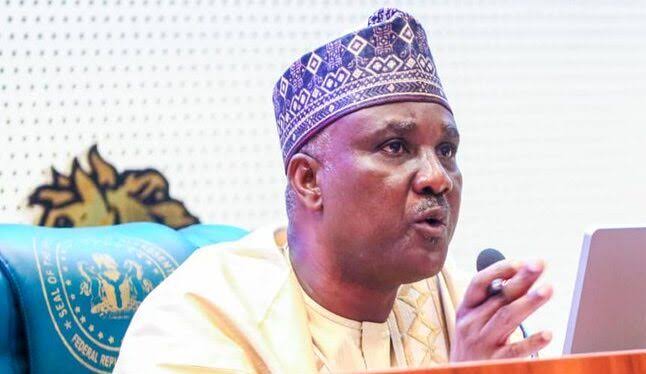
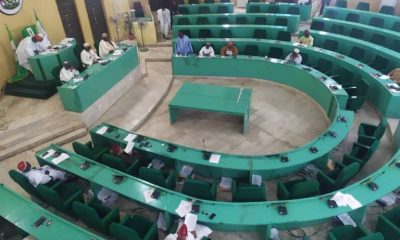
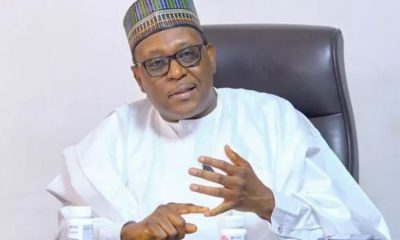
Speaker of the House of Representatives, Tajudeen Abbas, has expressed concern over Nigeria’s rising debt profile, warning that it has reached a level capable of undermining the country’s economic stability.
Speaking at the 11th Annual Conference and General Assembly of the West Africa Association of Public Accounts Committees (WAAPAC) in Abuja on Monday, Abbas described the debt situation as alarming and called for urgent reforms to avert a crisis.
According to him, Nigeria’s total debt stock stood at N149.39 trillion (about $97 billion) as of the first quarter of 2025, representing a sharp increase from N121.7 trillion recorded the previous year. He noted that the debt-to-GDP ratio has now climbed to 52 percent, significantly above the legally prescribed ceiling of 40 percent.
Read Also:
FCT Resident Doctors Begin Seven-Day Warning Strike
NLC, Workers Demand Urgent Review of N70,000 Minimum Wage Amid Inflation
Wali Hosts Annual Maulud, Calls for Unity, Prayers and Emulation of Prophet’s Virtues
“This is no longer just a budgetary issue but a structural crisis,” the Speaker said. “We must strengthen oversight, embrace transparency, and ensure that every loan taken delivers tangible benefits to citizens.”
Abbas warned that across Africa, many governments are already trapped in unsustainable debts, with more resources devoted to debt servicing than to essential services such as health and education. He cautioned that Nigeria must avoid falling into the same trap.
To mitigate the risks, he announced plans to champion the creation of a West African Parliamentary Debt Oversight Framework under WAAPAC. The initiative, he explained, would establish transparency standards, harmonise debt reporting, and empower parliaments across the region to scrutinise borrowing practices.
The Speaker also unveiled plans for regional training programmes aimed at equipping Public Accounts and Finance Committees with the skills to assess debt sustainability and fiscal risks.
“Borrowing should be tied strictly to infrastructure, education, healthcare, and industries that create jobs,” Abbas stressed. “Reckless loans that fuel consumption or corruption must be exposed and rejected. Oversight is about lives and futures, not just figures.”
He further pledged that the 10th House would promote accountability through its Open Parliament policy, which would subject major borrowing proposals to public hearings and ensure that debt reports are accessible to citizens.
The WAAPAC conference, attended by lawmakers from across West Africa, development partners, and financial experts, is focusing on strengthening parliamentary oversight of public debt across the sub-region.

Tinubu’s Kaduna Campaign Eve: Dan’agundi leads thousands of supporters to governor Uba Sani in Massive show of solidarity

Gwarzo’s exclusion: NDC races against time as INEC deadline nears

2027: Mariya Bunkure takes key women affairs role in Kano APC campaign

2027: Kano Governor Names Former Education Commissioner Kiru Campaign Spokesperson II
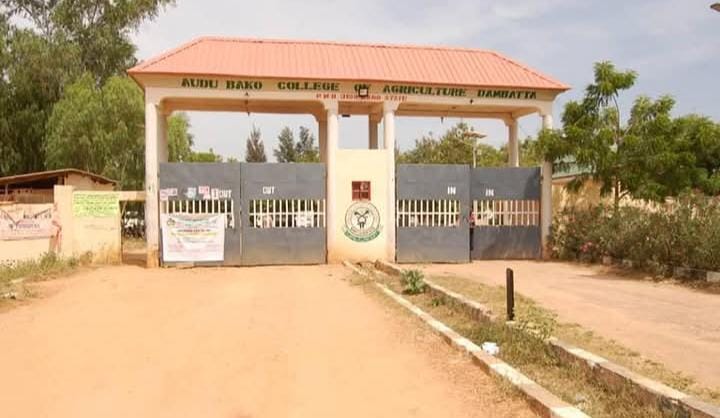
ABCOAD Unveils Journal, Bids Farewell to Provost

Nigerian Army Begins DSSC 29/2026 Recruitment, Outlines Eligibility Criteria
2027: NDC Releases Full List of Consensus Candidates in Kano

Gaya Polytechnic Opens Recruitment, Advertises 46 Academic, Non-Academic Positions