National
New Electoral Bill Targets November 2026 Elections, Faster Tribunal Process

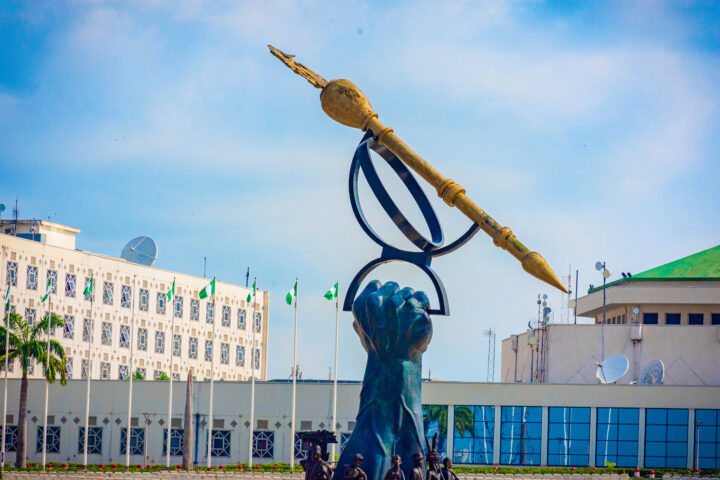
Nigeria’s next general elections may hold in November 2026 if the new proposal by the National Assembly to amend the Electoral Act sails through.
The proposal, part of the Electoral Act (Amendment) Bill 2025, was unveiled on Monday during a public hearing jointly organized by the Senate and House Committees on Electoral Matters in Abuja.
According to lawmakers, the adjustment aims to ensure that all election petitions are resolved before the next handover date on May 29, 2027.
Read Also:
Council of State Approves Prof. Joash Amupitan as New INEC Chairman
The draft amendment reads: “Elections into the office of the President and Governor of a State shall be held not later than 185 days before the expiration of the term of office of the last holder of the office.”
This means the elections would now fall around November 2026, roughly six months before the end of the current administration’s tenure.
Chairman of the House Committee on Electoral Matters, Hon. Adebayo Balogun, said the move is designed to “ensure that all manner of election litigations are dispensed with before the swearing in of winners.”
He explained that the National Assembly also plans to amend Sections 285 and 139 of the 1999 Constitution to shorten the duration of election petitions — reducing tribunal judgments from 180 to 90 days, appellate court decisions from 90 to 60 days, and ensuring the entire process does not exceed 185 days.
Other key provisions in the proposal include early voting for specific categories of Nigerians — such as security personnel, INEC staff, accredited journalists, and observers — at least 14 days before election day.
Significantly, the amendment also seeks to make electronic transmission of results mandatory, with penalties for non-compliance.
The proposed Section 60(5) reads: “The Presiding Officer shall transmit the results, including the total number of accredited voters, to the next level of collation both electronically and manually.”

Advert
Officers who issue unstamped ballot papers or result sheets could face a one-year jail term or a ₦1 million fine.
Stakeholders, including the Independent National Electoral Commission (INEC), represented by Prof. Abdullahi Zuru, endorsed the proposed reforms — particularly the electronic voting and compulsory e-transmission clauses — describing them as vital to strengthening transparency and reducing post-election disputes.
In July, a similar proposal to amend the 1999 Constitution and hold all elections on the same day in 2027 sparked mixed reactions. While opposition parties such as the PDP, Labour Party, ADC, and NNPP supported the idea, the ruling APC rejected it, warning of possible chaos.
The initiative, championed by the House Committee on Constitution Review chaired by Deputy Speaker Benjamin Kalu, emerged from broader consultations held across the six geo-political zones.
If passed, the bill will mandate INEC to conduct presidential, governorship, National Assembly, and state assembly elections on a single day — a move projected to cut costs and reduce post-election bandwagon effects.

EFCC opens recruitment for graduates, ND holders, SSCE candidates

Kano Poly MFB: A bank closed, an investigation launched, but where are the answers?

Tinubu’s Kaduna Campaign Eve: Dan’agundi leads thousands of supporters to governor Uba Sani in Massive show of solidarity

Gwarzo’s exclusion: NDC races against time as INEC deadline nears
ABCOAD Unveils Journal, Bids Farewell to Provost

Nigerian Army Begins DSSC 29/2026 Recruitment, Outlines Eligibility Criteria
2027: NDC Releases Full List of Consensus Candidates in Kano

Gaya Polytechnic Opens Recruitment, Advertises 46 Academic, Non-Academic Positions