Kano
Ganduje’s Model of Governance: Building Progress Beyond Politics

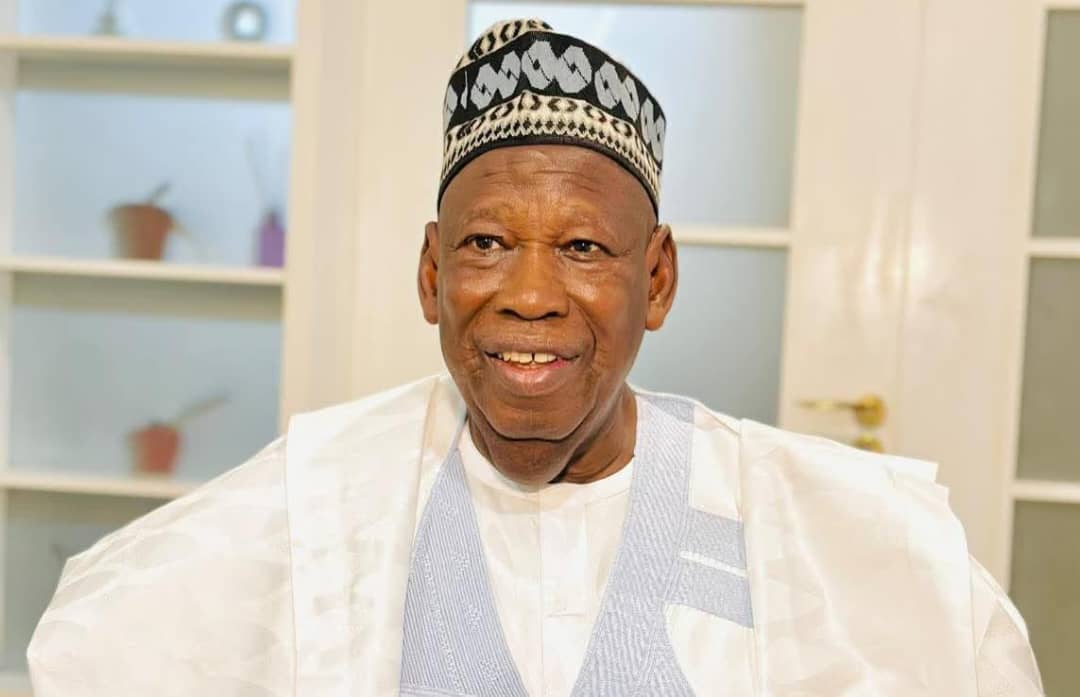
In Nigeria’s political space, debates are often overshadowed by accusations and counter-accusations. Yet, leadership must ultimately be measured by results, not rhetoric. For Dr. Abdullahi Umar Ganduje, former Governor of Kano State and immediate past National Chairman of the All Progressives Congress (APC), his legacy continues to generate both scrutiny and admiration.
While critics question processes around certain policies, his achievements stand as evidence of a governance style rooted in pragmatism, economic efficiency, and infrastructural development.
Transforming the Dry Port Vision into Reality
One of Ganduje’s most notable accomplishments is the operationalization of the Dala Inland Dry Port, a project that had lingered for years without meaningful progress. Under his leadership, the port moved from concept to functionality, proving instrumental in decongesting Apapa and Tin Can Island ports by creating a functional inland alternative.
Read Also:
Ganduje: A Resilient Political Survivor Facing Image Wars
The port streamlined international trade through improved customs processing, provided cost-effective logistics with the rail connection to Lagos, boosted exports with successful shipments directly from Kano, and created jobs in port operations, warehousing, logistics, and support services.
This stands in contrast to national examples of state-managed enterprises such as Ajaokuta Steel Company and NITEL that became symbols of inefficiency and waste. Ganduje’s model demonstrated that partnerships leveraging private sector efficiency could succeed where government monopolies failed.
Employment and Economic Efficiency
Ganduje’s initiatives consistently sought to tie infrastructure projects with job creation. In Kano, his administration expanded road networks, built flyovers, modernized schools, and strengthened healthcare delivery. Unlike populist approaches, his style was more practical: invest in projects that generate lasting economic value.
The Dry Port is now a case study in employment generation, a functional enterprise creating opportunities in a region that urgently needs them.
Lessons in Pragmatism
The Ganduje model aligns with broader national reforms, particularly in fuel subsidy removal and privatization of failing enterprises. His defenders argue that his willingness to push through unpopular but necessary policies reflected political courage.
Just as Nigeria now grapples with the fiscal burden of subsidy removal, Ganduje’s decisions showed foresight: prioritizing functionality, efficiency, and long-term gains over short-term applause.
Resilience in Politics
Beyond infrastructure, Ganduje’s story is also one of resilience and survival in Nigeria’s competitive politics. Despite storms of criticism, he rose from grassroots mobilizer to Governor of Kano and eventually National Chairman of APC, a testament to his political staying power and ability to adapt.
His resilience, supporters argue, is matched only by his commitment to leaving behind tangible infrastructure and economic reforms rather than promises alone.
The debate around Ganduje should not rest solely on ownership structures or populist narratives. Instead, the measure should be impact on the people. From the functional Dala Inland Dry Port to infrastructural renewal and economic reforms, his record offers lessons in pragmatism.
Conclusively, in a country often haunted by failed promises, Ganduje’s model focused on results rather than rhetoric, remains a blueprint worth studying as Nigeria seeks pathways to prosperity.

World Post Day: NIPOST highlights digital postcodes, logistics opportunities in Kano

A4A Appoints Abubakar Aminu Ibrahim as Mobilisation Secretary in Kano

World Post Day: Postal network eyes new opportunities as NIPOST goes digital

Kano family seeks urgent help after five children die in seven days

Kano emirate dispute: CSOs urge Tinubu to prevent escalation
ABCOAD Unveils Journal, Bids Farewell to Provost

Nigerian Army Begins DSSC 29/2026 Recruitment, Outlines Eligibility Criteria
2027: NDC Releases Full List of Consensus Candidates in Kano

Gaya Polytechnic Opens Recruitment, Advertises 46 Academic, Non-Academic Positions