Education
FG Removes Mathematics as Compulsory Subject for Arts, Humanities Admissions


The Federal Ministry of Education has announced a significant policy change for senior secondary school students in Nigeria, stating that students in the arts and humanities will no longer require a credit pass in Mathematics in their Senior School Certificate Examination (SSCE) conducted by WAEC and NECO to gain admission into universities and polytechnics.
Previously, all students—whether in sciences, social sciences, or arts and humanities—were required to secure at least five credits, including Mathematics and English Language, to qualify for higher education. The new directive exempts arts and humanities students from the Mathematics requirement, thereby easing the pathway to tertiary institutions for learners in these fields.
According to the ministry, via a circular released on Tuesday, “The revised National Guidelines for Entry Requirements into Nigerian Tertiary Institutions are designed to remove barriers while maintaining academic standards.”
Read Also:
FG Introduces AI, Robotics, and Journalism into New Secondary School Curriculum
The new framework, which applies to universities, polytechnics, colleges of education, and Innovation Enterprise Academies nationwide, outlines that Mathematics will remain mandatory for Science, Technology, and Social Science courses, but not for Arts and Humanities.
The circular, signed by the ministry’s spokesperson, Folasade Boriowo, further clarifies that universities require a minimum of five credit passes in relevant subjects, including English Language, obtained in not more than two sittings, with Mathematics mandatory only for science-related programs. Polytechnics at the National Diploma level require at least four credit passes, with Mathematics necessary only for science and technology-based courses. Colleges of Education will maintain four credit passes in relevant subjects, with English Language mandatory for Arts and Social Sciences, and Mathematics for Science, Vocational, and Technical programs.
Reacting to the development, education analyst Ayodamola Oluwatoyin praised the reform, describing it as a step toward inclusivity and easier access to higher education.

Advert
“This is a brilliant reform which we hope will open doors and improve the ease of admissions into tertiary institutions for more seekers,” he said.
The Minister of Education, Dr. Tunji Alausa, noted that the policy aligns with the government’s broader effort to expand access and opportunities within Nigeria’s tertiary education system.

Kano Poly MFB: A bank closed, an investigation launched, but where are the answers?

Tinubu’s Kaduna Campaign Eve: Dan’agundi leads thousands of supporters to governor Uba Sani in Massive show of solidarity

Gwarzo’s exclusion: NDC races against time as INEC deadline nears

2027: Mariya Bunkure takes key women affairs role in Kano APC campaign
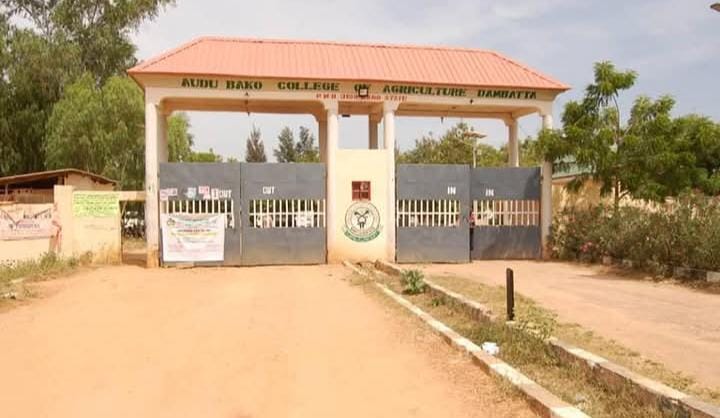
ABCOAD Unveils Journal, Bids Farewell to Provost

Nigerian Army Begins DSSC 29/2026 Recruitment, Outlines Eligibility Criteria
2027: NDC Releases Full List of Consensus Candidates in Kano

Gaya Polytechnic Opens Recruitment, Advertises 46 Academic, Non-Academic Positions