Abuja
Even Out of Office, Ganduje Remains the Soul of APC — Party Loyalist

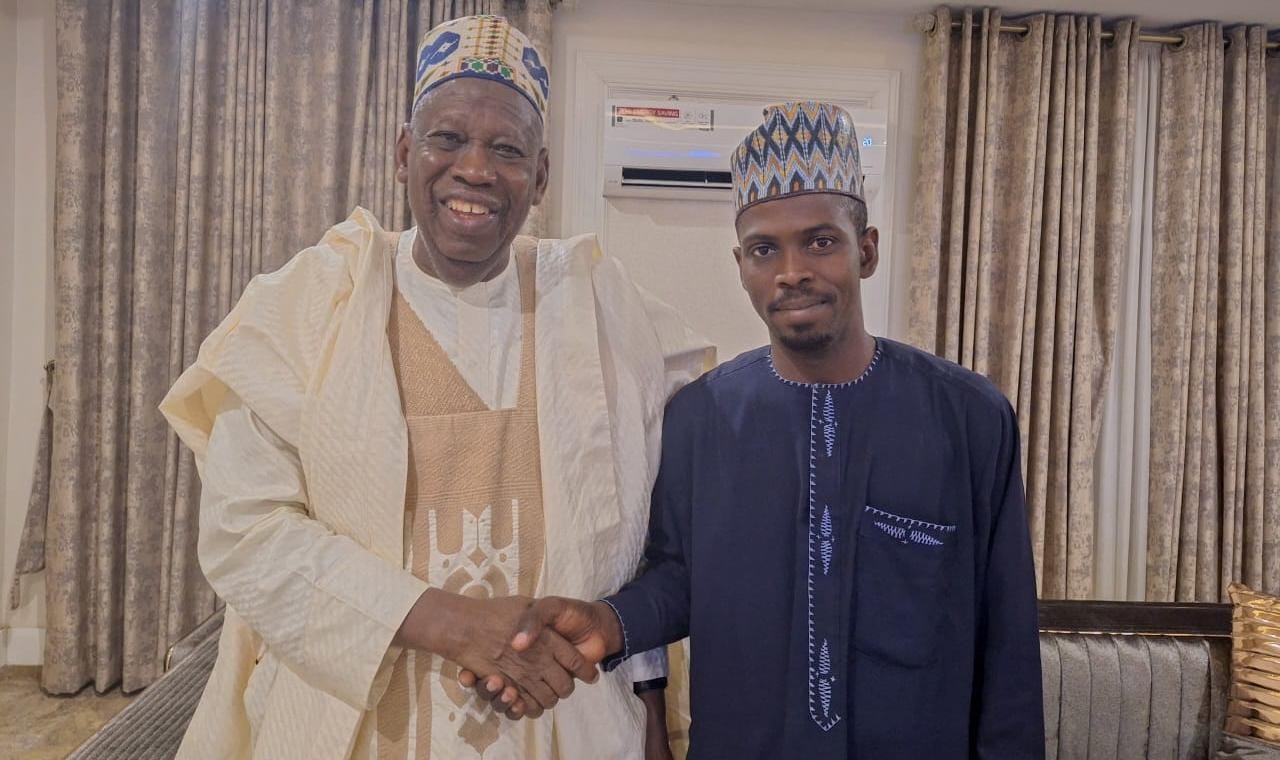
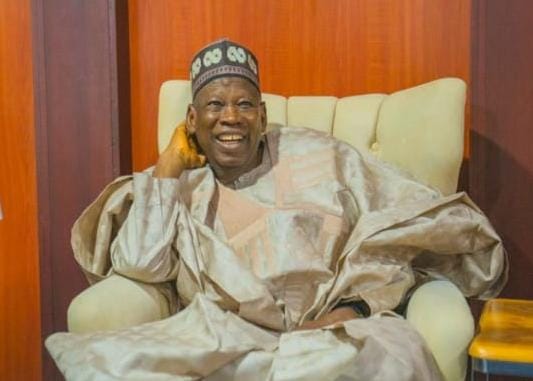
In Nigeria’s turbulent political landscape, where loyalty often fades with power, one name continues to echo with authority and resilience, Dr. Abdullahi Umar Ganduje, former Governor of Kano State and immediate past National Chairman of the All Progressives Congress (APC). Though no longer holding office, Ganduje’s political influence remains deeply woven into the fabric of Nigeria’s ruling party, shaping its internal structure, policies, and grassroots coordination.
Political observers agree that Ganduje’s imprint on the APC is not one that time or transition can erase. His tenure as National Chairman was marked by unity-building, reconciliation, and the institutional strengthening of the party. Under his watch, the APC’s internal cohesion was restored after years of factional disputes that threatened its stability.
Related:
Tinubu, Ganduje Join Dignitaries at Uzodinma’s Book Launch in Imo
He also initiated reforms that gave the party a policy direction including the creation of The Progressive Institute (TPI), a think tank designed to advance research, ideological development, and evidence-based policy formulation for the APC.
Even as leadership has changed hands, Ganduje’s influence continues to resonate across party ranks. His ability to engage governors, legislators, and party executives with calm but firm diplomacy has earned him a reputation as one of the APC’s most pragmatic bridge-builders.
When contacted for his perspective, Umar Idris Shuaibu, a Kano-based journalist and loyal APC member, described Dr. Ganduje as the “soul of the party,” emphasizing that his relevance goes beyond political office.
Read Also:
Ganduje Emerges as Rallying Point for Kano Appointees in Push for 2027
“Dr. Ganduje represents consistency in leadership, he is a man whose political strength lies not just in his position, but in his principles. Even after leaving office, his voice still carries weight across the APC because he built trust, nurtured loyalty, and delivered results. You can’t talk about the APC’s survival and stability today without mentioning Ganduje’s influence. His ability to unify divergent interests within the party and sustain dialogue between leaders across the states made him an indispensable figure in Nigeria’s ruling political structure.”
He added: “What sets him apart is his calm but strategic leadership style, he listens, negotiates, and builds consensus without losing sight of the bigger picture. During his tenure as APC National Chairman, he demonstrated maturity by reconciling internal factions and prioritizing party unity over personal gain. He also engineered the formation of The Progressive Institute (TPI), the party’s policy think tank designed to guide ideological direction and policy formulation, a move that further institutionalized knowledge-driven governance within the APC. Even in Kano, where the APC is currently in opposition, the structure he built remains intact because he invested in people, not just politics.”
Looking ahead to 2027, Shuaibu believes Ganduje’s strategic influence will continue to shape APC’s evolution.
“As we look toward 2027, Ganduje’s imprint on the APC remains visible in the party’s internal coordination, communication strategy, and grassroots mobilization. Many of us who learned from his political school of thought have come to value patience, inclusion, and bridge-building. Personally, I’ve learned that leadership is not about titles but about legacy — and Ganduje’s legacy is one of endurance, loyalty, and political resilience. His name will continue to echo wherever the APC story is told.”
Political analysts share a similar sentiment, noting that Ganduje’s style of leadership — rooted in discipline, strategic thinking, and conflict management — has continued to guide the APC through post-election challenges and governance realignments. His knack for political stability, particularly in bridging divides between federal and state party organs, remains one of his lasting legacies.

Advert
In a political climate often dominated by fleeting loyalties and internal rivalries, Ganduje’s enduring relevance underscores a deeper truth about leadership — that true influence is not measured by the office one holds, but by the structures, ideas, and people one leaves behind.
Even out of office, Dr. Abdullahi Umar Ganduje remains, to many within and outside the APC, the party’s moral compass, strategist, and unifying force, the man whose political architecture continues to sustain Nigeria’s ruling party in both storm and calm.


The Tinubu Health Reset: A Consultant Examines Nigeria’s Healthcare Reforms
Aminu Bayero’s Admirers, Sanusi’s Hawan Sallar Gani and Kano’s Royal Divide
Why The Sun will honour Ganduje with lifetime achievement award

Idris assures NIPR of FG support for 2026 World PR forum
NECO releases 2026 SSCE results, 58.67% record five credits including English, Maths

ABCOAD Unveils Journal, Bids Farewell to Provost

Nigerian Army Begins DSSC 29/2026 Recruitment, Outlines Eligibility Criteria
2027: NDC Releases Full List of Consensus Candidates in Kano

Gaya Polytechnic Opens Recruitment, Advertises 46 Academic, Non-Academic Positions