
The Historica Nigeria

National

National, News

Nigeria’s Inflation Rate Drops to 22.97% in May 2025 — NBS

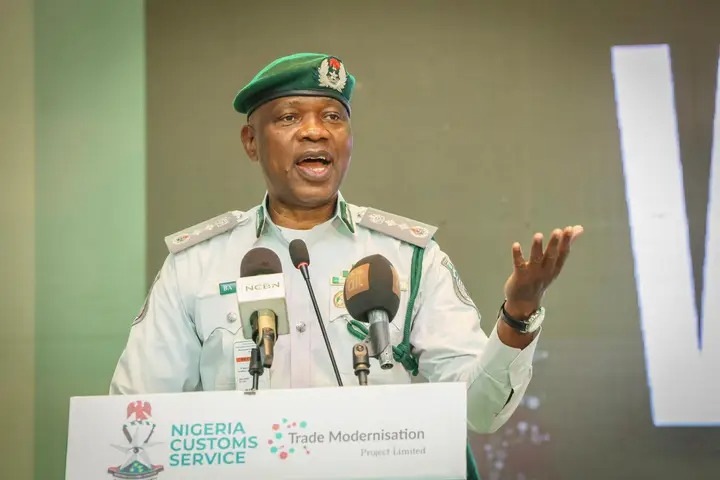
  The National Bureau of Statistics (NBS) has announced a decline in Nigeria’s inflation rate to 22.97 percent in May 2025, down from 23.71 percent recorded in April 2025. This was disclosed on Monday in Abuja by the Statistician General of the Federation, Prince Adeyemi Adeniran, who said the drop represents a 0.74 percent reduction, indicating a slight relief in inflationary pressure. On a month-on-month basis, the headline inflation rate stood at 1.53 percent in May, which is 0.33 percent lower than the 1.86 percent recorded in April. Prince Adeniran explained that the major contributors to the overall inflation rate during the month were the rising prices in food and non-alcoholic beverages, restaurants and accommodation services, and transport. Meanwhile, sectors such as recreation and culture, alcoholic beverages and tobacco, and insurance and financial services contributed the least. The food inflation rate in May rose to 21.14 percent on a year-on-year basis. Month-on-month, it climbed to 2.19 percent, slightly higher than April’s 2.06 percent. This increase was largely driven by the rise in the average prices of essential items like yam, ogbono (avenger), cassava tuber, maize flour, fresh pepper, and sweet potatoes. Read Also: Beyond the Headlines: The Untold Truth behind Nigeria’s Herders-Farmers Clashes In terms of core inflation, which excludes volatile agricultural produce and energy, the rate stood at 22.28 percent year-on-year in May. On a month-on-month basis, core inflation declined to 1.10 percent, compared to 1.34 percent in April. The inflation rates for specific sub-indices showed that farm produce and goods were at 22.38 percent and 9.39 percent respectively in May, while services and energy recorded 1.79 percent and a notable -0.43 percent, reflecting a decrease from 2.20 percent and 13.6 percent respectively in the previous month. Urban inflation stood at 23.14 percent year-on-year, with a month-on-month rate of 1.40 percent in May, slightly higher than April’s 1.18 percent. Rural inflation was recorded at 22.70 percent on a year-on-year basis. However, the rural month-on-month inflation rate dropped to 1.83 percent from the high of 3.56 percent recorded in April. The Bureau also noted that revisions were made to the April 2025 state CPI figures due to updated information, affecting all states except Abia, Adamawa, Akwa Ibom, Anambra, Bauchi, and the FCT. Importantly, the revision did not impact the national CPI for that month. During the review period, Borno, Niger, and Plateau states recorded the highest year-on-year all-items inflation rates, while Katsina, Adamawa, and Delta had the lowest. On a month-on-month basis, inflation rose sharply in Bayelsa, Bauchi, and Borno, but declined in Kaduna, Jigawa, and Edo. For food inflation, Borno, Bayelsa, and Taraba experienced the highest annual increases, while Katsina, Rivers, and Kwara recorded the slowest growth. Monthly food inflation also surged in Bayelsa, Cross River, and Anambra, but fell in Katsina, Jigawa, and Kaduna. Prince Adeniran concluded by highlighting that the May 2025 report is based on a new CPI base year of 2024, with 2023 serving as the weight reference period. He added that the Consumer Price Index rose to 121.35 in May, reflecting a 1.83-point increase compared to the previous month.

Abuja, National, News

President Tinubu Postpones Kaduna Trip, Heads to Benue over Escalating Violence

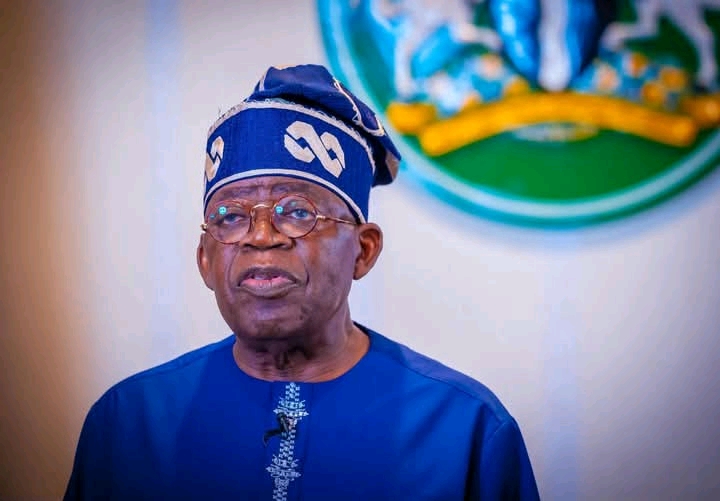
President Bola Ahmed Tinubu has postponed his official visit to Kaduna State, redirecting his schedule to Benue State on Wednesday, June 18, 2025, in response to the recent surge in violent attacks that have left dozens dead and communities devastated. The visit to Benue underscores the President’s renewed commitment to fostering peace and finding long-term solutions to the persistent crisis plaguing the state. According to a statement by Presidential Adviser on Information and Strategy, Bayo Onanuga, the President will meet with a broad spectrum of stakeholders—ranging from traditional rulers, political and religious leaders, to youth and community representatives—during a town hall meeting aimed at addressing the root causes of the conflict. Read Also: IGP Egbetokun Visits Benue Over Yelewata Massacre as Nation Demands Action Ahead of his visit, President Tinubu has already deployed key government officials to Benue, including the Secretary to the Government of the Federation, the Inspector General of Police, heads of intelligence agencies, the National Security Adviser, and the Chairmen of the Senate and House Committees on Defence. President Tinubu, who has consistently condemned the violence in Benue, urged all citizens to embrace peace, mutual respect, and national unity. He also extended his condolences to the families of victims and those affected by the crisis. Meanwhile, the President’s visit to Kaduna State—initially scheduled for Wednesday, June 18—has been moved to Thursday, June 19, 2025. He is expected to commission key state projects during his stop in Kaduna. Signed: Bayo Onanuga Special Adviser to the President (Information and Strategy) June 16, 2025  

Abuja, National, Politics

After Gombe Incident, Ganduje Reasserts Call for Political Decorum

By Umar Idris Shuaibu In what was supposed to be a high-level consultative meeting for stakeholders of the ruling All Progressives Congress (APC) in the North East, a disturbing turn of events unfolded on Sunday in Gombe, when a group of unruly party elements attempted to disrupt proceedings and physically assault the National Chairman of the APC, Dr. Abdullahi Umar Ganduje. What transpired was not just an affront to the man leading the party’s national structure, but a slap to the core values of democracy, civility, and party discipline. Despite the tension, Dr. Ganduje maintained composure, attempting to restore calm and reiterate his unwavering support for the North East zone, a region that produced Nigeria’s Vice President, Senator Kashim Shettima. His appeals for unity and recognition of the constitutional integrity of the Tinubu-Shettima joint ticket were met with recalcitrance from a disruptive faction bent on chaos. Chief Oliver Okpala, Special Assistant on Public Enlightenment to the APC National Chairman, described the act as “condemnable, unpatriotic, and irresponsible.” He warned of the dangerous precedent being set, drawing parallels to the Western Region political crisis that helped precipitate the collapse of Nigeria’s First Republic. Read Also: APC’s Rising Star: The Woman Ganduje Trusted with the Future “How do you treat a man who has laboured round the clock for peace like this?” Okpala asked rhetorically, echoing the sentiments of many party faithful who watched the events unfold with dismay. While some may view the event as isolated, it has ignited deeper reflection within the party and beyond. Dr. Ganduje, a veteran in Nigerian politics, has consistently worked behind the scenes to reconcile aggrieved members, unify party ranks, and deepen the internal democratic process of the APC. His contributions toward building a strong political structure that cuts across ethnic and regional divides are well documented, from his time as governor of Kano State to his current role at the apex chairman of the party. That such a man would be physically threatened while performing his duties as National Chairman is both an aberration and an indictment of those who seek power not through persuasion or consensus but through aggression and political brigandage. Yet, in the face of this provocation, Ganduje did not retaliate. Instead, he reaffirmed his commitment to party discipline, decorum, and dialogue principles that should be the bedrock of modern Nigerian politics. His speech at the meeting was clear: the APC remains one party, under one leadership, with a joint presidential ticket that values every region of Nigeria equally. He reminded the stakeholders that Shettima’s position as Vice President is not symbolic but strategic, and that the North East plays a crucial role in the APC’s national outlook. His attempt to calm tempers did not go unnoticed. Security operatives, acting swiftly, shielded him from what could have easily turned into a national embarrassment. That prompt intervention likely saved the party from descending into a public relations crisis and further disunity. Read Also: Dr. Ganduje Undertakes Hajj Amid Rising Political Influence Across the political spectrum, voices are rising in solidarity with Ganduje. Observers and analysts have described the attack as “politically unwise,” “disrespectful,” and “a shameful display of desperation.” Even within the North East, many responsible party leaders have begun calling for discipline and sanctioning of those responsible. More than ever, Dr. Ganduje’s stature as a leader of peace and unity is being tested, but if history is any indicator, this moment will not weaken him. Rather, it strengthens his resolve to build an APC that is not just electorally dominant, but internally stable, ideologically consistent, and democratically driven. A Call for Political Decency Chief Okpala’s warning must be heeded. Nigeria’s political culture must never tolerate thuggery, particularly within parties that pride themselves on progressivism. It’s not just about Ganduje; it’s about the future of internal party democracy and the need to safeguard our political institutions from the recklessness of fringe elements. As Nigeria’s largest political party, the APC must rise above internal provocations. Leaders across all zones must rally around the values of consultation, consensus, and mutual respect, values that Dr. Ganduje continues to promote in every forum. For now, the dust in Gombe may settle, but the implications remain. Dr. Ganduje, unshaken and unbroken, walks forward with the dignity of a leader focused not on retaliation but on rebuilding trust and reinforcing unity, the kind of leadership the APC, and indeed Nigeria, needs in these times. This piece was written by Umar Idris Shuaibu, a digital journalist based in Kano. He can be reached via email at shuaibuumaridris@gmail.com

Kaduna, National, News

Gunmen Abduct Village Head’s Wife and Son in Kaduna Midnight Attack

Tension has gripped the Doka Avong community in Kufana District of Kajuru Local Government Area, Kaduna State, following a midnight attack by gunmen who abducted the wife and son of the local village head. The incident occurred around 1:00 a.m. on Saturday, June 14, 2025, when heavily armed men stormed the residence of the Village Head, targeting his family. The assailants abducted 38-year-old Deborah Jonah and her 14-year-old son, Maxwell Jonah, plunging the community into fear and uncertainty. Confirming the incident in a formal letter to the Agom of Kufana Chiefdom, the Overseer of Kufana District, Mr. Stephen Maikori, described the situation as alarming. Read Also: Eight Family Members Killed in Tragic Kaduna-Zaria Highway Crash “This unfortunate event has caused widespread fear and anxiety within the community,” Maikori wrote. “In light of this, I respectfully call for the urgent intervention of relevant security agencies to enhance surveillance and fortify security in and around Doka Avong and the entire Kufana District.” He further emphasized the need for “prompt and decisive action” to prevent further loss of lives and property, and to restore public confidence. Kajuru Local Government has remained one of the most volatile areas in Kaduna State, with recurring attacks by armed groups. The latest abduction has heightened concerns among residents, who continue to live under the threat of insecurity.

Abuja, Education, National, News

30,000 Candidates Sit for 2025 TVET Entrance Exam Nationwide

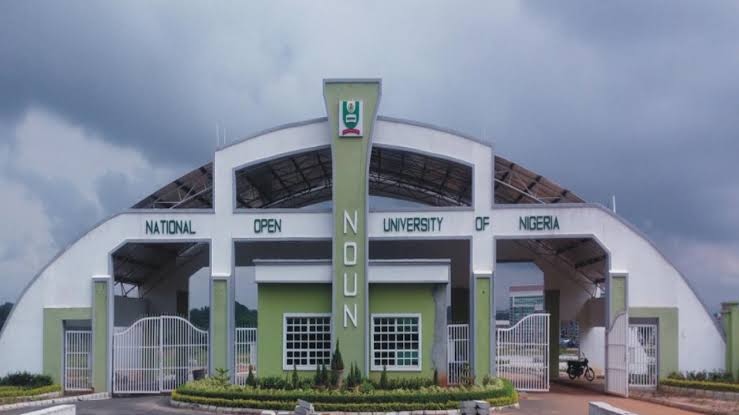
A total of 30,000 candidates participated in the 2025 Technical and Vocational Education and Training (TVET) entrance examination conducted on Saturday across Federal Technical Colleges in Nigeria. The examination was organized by the Federal Government through the National Business and Technical Examinations Board (NABTEB). While monitoring the exercise at the Federal Technical College, Orozo, Abuja, NABTEB Registrar and CEO, Dr. Mohammed Mohammed, described TVET as a transformative initiative aimed at equipping Nigerian youth with practical, industry-relevant skills and promoting human capital development. Read Also: Kano State Schools to Resume June 15 and 16 After Eid-El-Kabeer Break He emphasized that the exam serves not only to admit students but also to assess their individual strengths and match them with appropriate vocational trades such as electrical installation, tailoring, and solar maintenance. “The era of paper qualifications is phasing out. We are now in the era of ‘what can you offer?’” Dr. Mohammed stated, lamenting Nigeria’s reliance on foreign artisans for basic construction tasks. He highlighted that training under the TVET programme would range from six months to one year, depending on the chosen trade. Graduates will receive starter packs and may access business loans to kickstart their enterprises. “This is not just about skill acquisition, it’s about job creation and economic empowerment,” he added. A selection committee comprising principals, NABTEB officials, and representatives from the Federal Ministry of Education will oversee the admission process. Results will be released within 21 days.

National, News

Oluremi Tinubu Commissions Resettlement City for IDPs and Refugees in Nasarawa

First Lady Senator Oluremi Tinubu has commissioned a resettlement city in Keffi, Nasarawa State, built by the National Commission for Refugees, Migrants and Internally Displaced Persons (NCFRMI). The facility accommodates 40 households made up of 239 displaced persons and refugees from Nigeria and neighbouring African countries. Named in her honour, the city includes housing, greenhouses, a hospital, school, vocational centres, and places of worship. Senator Tinubu donated food items, clothing materials, and cash support N200,000 per household and N50,000 to each farmer. Read Also: APC’s Rising Star: The Woman Ganduje Trusted with the Future She urged peaceful coexistence with the host community and reaffirmed President Tinubu’s commitment to restoring hope and dignity through the Renewed Hope Agenda. Officials pledged to replicate the initiative across the country.

Kano, National, News, Religious

Ganduje Foundation Pledges Continued Support for Humanitarian and Religious Outreach

As part of its continued philanthropic efforts and religious outreach, the Ganduje Foundation has reaffirmed its total commitment to its operations in Kano State and across the nation. This was disclosed by the Director of Public Affairs and Communications of the Foundation, Malam Nuhu Gudaji, during an interview with journalists. According to Gudaji, since its establishment, the Ganduje Foundation under the leadership of its founder, Dr. Abdullahi Umar Ganduje has made significant investments in the construction of schools and mosques, as well as in supporting individuals who choose to embrace Islam. Read Also: APC’s Rising Star: The Woman Ganduje Trusted with the Future “The Foundation has been actively involved in community development, and our efforts deserve commendation to ensure the continuation of these important projects,” he said. He further revealed that the Foundation recently facilitated the conversion of 45 individuals to Islam, providing them with new clothing and a financial package of N20,000 each to support their well-being. Gudaji also urged the public to continue offering prayers for the health and success of Dr. Ganduje, praising his dedication and vision for humanitarian and religious development.

Agriculture, Feature, Kaduna, Kano, National

Beyond the Headlines: The Untold Truth behind Nigeria’s Herders-Farmers Clashes

Umar Idris Shuaibu, Kano In the open plains and forests of Nigeria, a silent war has been simmering for years not of politics or power, but of land, survival, and silence. The herders-farmers conflict has too often been reduced to a tribal fault line, a religious divide, or criminal chaos. But these simplifications betray the truth. At the heart of this crisis lies a broken promise one owed to the Fulani pastoralists and to the farmers whose lives depend on the soil. And no one is innocent: not the state, not the media, and certainly not the traditional leaders entrusted to guard the peace.   Forgotten Grazing Reserves, Abandoned Routes Years ago, Nigeria had a system imperfect but working. Grazing reserves and cattle routes were mapped and maintained. Fulani herders moved with their livestock, guided by seasonal knowledge and mutual understanding with farming communities. Read Also: Mu’az Magaji: “26 Years of Democracy in Nigeria, A Journey Worth Reflecting On” Then came neglect. The cattle routes began to vanish overtaken by real estate, agriculture, and urban expansion. Traditional leaders, once responsible for protecting these routes and reserves, looked away. Some traded silence for political favor, others lacked the will or means to act. The fallout was predictable disorder and dispute.   Climate, Conflict, and the Collapse of Order Desertification and population growth pushed herders further south. With no designated routes, they entered farmlands. Farmers, facing the destruction of their crops, fought back. Without state mediation or proactive governance, friction turned into fire. This isn’t just about cows and corn. It’s a humanitarian crisis displacing families, destroying livelihoods, and feeding deep ethnic mistrust.   The Misjudged Fulani Narrative The Fulani are often vilified in mainstream storytelling accused broadly and unjustly. Yes, violent incidents have occurred. But many forget the herders who lose cattle to rustling, the youths gunned down in disputes, or the elders beaten far from home. The media has failed here. Stories are told with bias. The farmer’s plight is humanized; the herder’s loss is minimized. But both bleed, and both deserve justice. A Rare Example of Political Will It’s not all silence. Some leaders have tried. In 2015, Dr. Abdullahi Umar Ganduje, former Governor of Kano State and himself a Fulani, took bold steps. Recognizing the root of the crisis, he launched a program to modernize livestock development. He sent 60 Fulani youths to Turkey for training in artificial insemination techniques, aiming to reduce nomadic grazing by improving local productivity. Unfortunately, the initiative was poorly managed by the Ministry of Agriculture and Natural Resources. But Ganduje didn’t stop there. He established a settlement in Dansoshiya Forest, where he built 25 housing units for Fulani herders. The settlement was thoughtfully designed and included essential amenities such as schools for children, a clean water supply for both human and livestock use, veterinary services to support animal health, and provisions for sustainable cultivation of grass and herbs to ensure year-round feeding. To enhance safety and stability, a police and security outpost was also incorporated, serving as a hub for peacebuilding and conflict resolution within the community. This wasn’t just infrastructure, it was a vision of coexistence. A way to bring herders into stable communities while preserving their livelihood and reducing conflict. In addition, Kano State under Dr. Ganduje conducted a Fulani headcount, the first of its kind identifying both resident and nomadic populations. This data formed the basis of a landmark report submitted to the Federal Government, which contributed directly to the establishment of the Federal Ministry of Livestock Development in Abuja. That effort was guided by a committee chaired by Prof. Attahiru Jega, former INEC chairman, with members drawn from Fulani associations, academia, tribal communities, journalists, and civil society which form a model of inclusive policymaking.   Nigeria’s Worst-kept Secret This is a national crisis and Nigeria is the worst-hit country in Africa when it comes to herders-farmers conflict. What began as an ecological challenge has evolved into a political, economic, and humanitarian disaster. And still, few are telling the full story.   A Call for Historical Justice If peace is to return, the truth must be told. Not just the truth of who struck first, but of who neglected first. To address the root causes of the herders-farmers crisis and build lasting peace, we must take decisive and coordinated actions. First, there is a need to reestablish and protect grazing reserves, ensuring they are properly demarcated and maintained. Alongside this, we must legally secure the traditional cattle routes and invest in modernizing pastoralism to reduce dependence on seasonal migration. It is also essential to hold both political and traditional leaders accountable for past neglect and future responsibilities. Furthermore, the media must undergo a reform to ensure ethical, fair, and balanced coverage, particularly in stories involving pastoral communities. Lastly, Nigeria must encourage and replicate bold, grassroots solutions like the Dansoshiya settlement project, which offer practical models for peaceful coexistence and economic development. This story must be more than a headline. It must be a turning point. The herders-farmers conflict is not just a tale of clashes over land, it is a mirror of our national failure to protect the vulnerable, to preserve inherited systems, and to tell stories with fairness. For too long, the Fulani narrative has been told by others often unfairly, often incompletely. But history does not forgive silence. It remembers those who spoke when it mattered. If we are to build a peaceful, united Nigeria, we must first acknowledge the truths buried under decades of neglect, failed leadership, and distorted headlines. We must amplify the voices that have long been drowned, and tell stories complete stories that reflect the full picture. This is not just journalism. It is justice. It is not just reporting. It is remembrance. And it is not just history. It is a path forward. Umar Idris Shuaibu is a digital journalist based in Kano. He can be reached via email at shuaibuumaridris@gmail.com.  

Abuja, Kano, National

APC’s Rising Star: The Woman Ganduje Trusted with the Future

By Umar Idris Shuaibu, Kano Within the rich tapestry of Nigeria’s public service, few stories reflect consistency, discipline, and rising influence like that of Dr. Mariya Mahmoud Bunkure, the current Minister of State for the Federal Capital Territory (FCT). Her journey from a Commissioner in Kano State to a key figure in Nigeria’s federal cabinet is not just a tale of political ascension, it’s a testament to purposeful service, strategic alignment, and a passion for grassroots development. Born in the historic town of Bunkure in Kano State, Dr. Mariya Mahmoud’s early life was steeped in education, community service, and the values of discipline and humility. Trained as a medical doctor, she brought her professional insights into governance when she was appointed Commissioner for Higher Education in Kano State under the administration of Dr. Abdullahi Umar Ganduje. During her tenure as Commissioner, Dr. Mariya stood out for her calm resolve and administrative foresight. At a time when Kano’s higher education sector was faced with funding challenges, infrastructural gaps, and the need for curricular reform, she championed policies that improved institutional governance and promoted access, especially for female students. Her ability to blend professionalism with political acumen quickly earned her the respect of colleagues and constituents alike. Read Also: Tinubu Meets Ganduje, Badaru in Separate Aso Rock Consultations Emulating Grassroots Empowerment: Lessons from Professor Hafsat Ganduje’s Model Why Engr. Abba Ganduje is Still Needed in Dawakin Tofa Federal Constituency It was this performance and loyalty that placed her firmly in the trust circle of Dr. Ganduje, then Governor of Kano State and now the National Chairman of the All Progressives Congress (APC). As Ganduje’s national influence widened, so did the prospects of those he mentored. Dr. Mariya’s elevation to the national stage as Minister of State for the FCT under the administration of President Bola Ahmed Tinubu can be traced to a political trajectory rooted in merit, trust, and northern regional representation. At the FCT Ministry, Dr. Mariya now holds a significant portfolio overseeing policy implementation, urban development, and service delivery in Nigeria’s capital. Her approach has been inclusive and participatory, often engaging with stakeholders from traditional institutions, civil society, and the private sector. Whether addressing sanitation in satellite towns, reviewing land allocation procedures, or supervising school health programs, she carries her medical and administrative experience into every detail. Observers note her calm but firm style, which contrasts with the bustling and sometimes chaotic political landscape of Abuja. She is often described as the “silent engine” behind some of the Ministry’s grassroots-focused reforms, particularly those relating to women empowerment and youth engagement in the FCT’s area councils. In the wider context of Nigerian politics, Dr. Mariya Mahmoud’s story also highlights the growing relevance of Kano State as a breeding ground for national leadership. Under Ganduje’s leadership, several Kano-born technocrats and politicians have moved into key federal roles, a sign of the former governor’s long-term strategy to plant loyal, competent allies across the federal structure. Yet, despite her growing influence, Dr. Mariya remains relatively media-shy, choosing to let her work speak for her. Her aides describe her as diligent, prayerful, and deeply committed to public service. “She sees politics not just as a platform for power, but as an opportunity to heal communities, improve lives, and leave a legacy,” one staff member noted. As Nigeria navigates complex national challenges from urban planning to education and healthcare reform, the presence of focused leaders like Dr. Mariya Mahmoud Bunkure provides a glimmer of hope. For young girls in Kano and beyond, her story is a living proof that with education, integrity, and dedication, the journey from Bunkure to Abuja is not just possible, but attainable. Dr. Mariya Mahmoud Bunkure’s rise from the heart of Kano State to the corridors of power in Abuja is a remarkable example of determination, service, and strategic leadership. Her journey underscores the importance of competence over rhetoric, and dedication to public service above personal gain. As the Minister of State for the FCT, she remains an embodiment of the values instilled in her during her years in Kano values that continue to guide her work as she addresses the needs of the capital’s diverse communities. With her vision and quiet resolve, Dr. Mariya is poised to leave an indelible mark on Nigeria’s urban development and public policy, offering a model of leadership for future generations.

National, News, Politics

Mu’az Magaji: “26 Years of Democracy in Nigeria, A Journey Worth Reflecting On”

Political activist and former Kano State Commissioner for Works and Infrastructural Development under the administration of Dr. Abdullahi Umar Ganduje, Engr. Mu’az Magaji, popularly known as Dan Sarauniya, has described Nigeria’s 26 years of uninterrupted democracy as a significant journey though with mixed results. In an exclusive interview with The Historica Nigeria, Magaji commended the progress made in parts of the country, particularly in the South, while expressing disappointment at the North’s inability to fully harness the opportunities democracy offers. He praised states such as Lagos, Akwa Ibom, Rivers, Enugu, Anambra, and Abia for embracing democratic values and translating them into tangible development outcomes. Read Also: June 12: Tinubu Cancels Democracy Day Broadcast “These states have come to understand the importance of democracy and good governance. Their leaders prioritize development and economic progress. They believe their growth is in their own hands and are committed to improving the lives of their people,” he said. Magaji pointed out that these states have significantly increased their Internally Generated Revenue (IGR) and built strong local economies capable of sustaining governance even without federal allocations. “Their IGR continues to grow. They have positioned themselves to maintain governance independently. Even without federal funds, they can stand on their own,” he added. However, Magaji lamented the state of governance in Northern Nigeria, describing it as a region still struggling to understand and maximize the benefits of democracy. “It is unfortunate that many northern states have not yet grasped democracy as a tool for transforming lives. Instead, leadership is often used as a means of personal enrichment rather than public service,” he stated. He criticized the mismanagement of federal allocations in the North, warning that such a path could lead to economic instability and future dependence crises. “Governors in the North often spend federal allocations recklessly, focusing more on self-interest than public interest. This is unsustainable and poses a serious threat to the region’s long-term development.” Magaji cautioned that as southern states continue to strengthen their local economies, the North risks being left behind if it fails to take similar steps. “The future might no longer guarantee continuous federal allocations. We must start preparing to be self-reliant by investing in our economy, education, healthcare, and infrastructure.” He reiterated by calling for a return to the leadership values of Nigeria’s founding fathers, urging both leaders and citizens to prioritize competence, vision, and integrity. “We must emulate great leaders like Sir Abubakar Tafawa Balewa and Sir Ahmadu Bello, the Sardauna of Sokoto—leaders who governed with purpose, discipline, and a deep sense of responsibility. Democracy should be our pathway to progress, not a tool for personal gain.” Magaji emphasized that the only way to redirect the country’s future is by electing visionary and responsible leaders who genuinely serve the people and the nation.

Scroll to Top