
The Historica Nigeria

National

Abuja, Feature, National, Politics

Ganduje, Tinubu and the Strengthening of Nigeria’s Democracy Amidst APC Growth

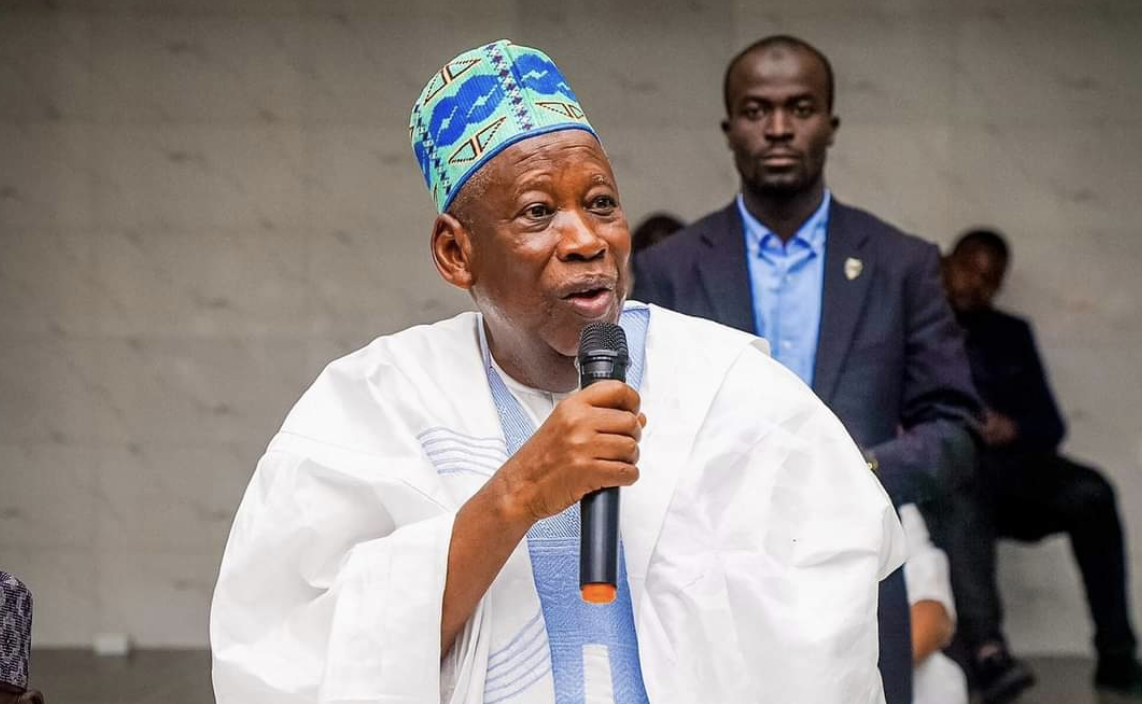
In the unfolding narrative of Nigeria’s political evolution, the ongoing realignment of political forces marked by a wave of defections into the ruling All Progressives Congress (APC) has sparked national debate. While some critics see the development as a drift toward one-party dominance, political observers in Kano and beyond argue otherwise, pointing to the reformist agenda of the APC and the stabilizing influence of its current leadership. At the center of this transformation is Dr. Abdullahi Umar Ganduje, the National Chairman of the APC and a seasoned political strategist. Since his assumption of the party’s top position, Ganduje has played a critical role in strengthening the APC’s internal cohesion and projecting its renewed national vision one that aligns seamlessly with President Bola Ahmed Tinubu’s Renewed Hope Agenda. Ganduje’s political instincts, honed through decades of public service and leadership in Kano State, have become instrumental in steering the party through turbulent waters. His emergence as National Chairman came at a time when the APC needed not just administrative leadership, but a unifying figure capable of reconciling factions, revitalizing party structures across the country, and preparing the ruling party for the challenges of governance and national expectations. Related: After Gombe Incident, Ganduje Reasserts Call for Political Decorum Under his stewardship, the APC has transformed into a more ideologically grounded and strategically aligned force. The party’s outreach has expanded, and its policy communication has improved significantly, helping citizens better understand the often difficult, yet necessary reforms being implemented by the federal government. Political consultants and media observers, such as Umar Idris Shuaibu, a Kano-based APC stalwart, have publicly attributed the growing popularity of the APC to both Tinubu’s reformist policies and Ganduje’s unifying leadership. The recent surge in defections from opposition parties is widely seen not as a symptom of democratic decline, but as a response to the visible impact of the administration’s efforts to reposition the economy, rebuild public institutions, and restore confidence in governance. Ganduje’s approach to leadership has been pragmatic. He has worked to ensure party harmony, maintain political discipline, and deepen the APC’s engagement with youth, women, and grassroots movements. His national tour of reconciliation and dialogue has significantly reduced intra-party conflicts, while his quiet but firm influence in Abuja has helped streamline legislative-executive collaboration. Meanwhile, President Tinubu’s recent address during the June 12 commemoration further underscored his commitment to democratic pluralism. Contrary to fears of creeping authoritarianism, Tinubu reaffirmed his belief in multi-party democracy and the rights of opposition parties to organize, campaign, and critique. As Shuaibu noted in several public commentaries, “the APC is not coercing anyone people are simply seeing progress and aligning with it.” Indeed, Nigeria’s Independent National Electoral Commission (INEC) remains free to register new parties, and prominent opposition parties such as the Labour Party (LP) and the People’s Democratic Party (PDP) continue to operate actively, disproving notions of a closing political space. Read Also: Things to Know About Dr. Asiya Ganduje, Director of Community and Rural Development NWDC The cooperation between the executive and the legislature, often criticized by some as excessive, is in fact a vital element of this administration’s strategy for fast-tracking reforms. Ganduje, with his strong legislative relationships and understanding of governance mechanics, has quietly supported this synergy, ensuring that party policies are translated into actionable government programs. More broadly, the APC under Ganduje’s chairmanship has worked to preserve the democratic values Nigerians have fought for since 1999. The party leadership continues to champion civil liberties, uphold freedom of speech, and encourage public participation, hallmarks of a functioning democracy. While tough economic decisions such as subsidy removals and currency reforms have drawn criticism, APC loyalists argue they are necessary corrections long overdue. Ganduje himself has been vocal in support of these decisions, urging Nigerians to see beyond temporary discomforts and focus on the long-term gains. In his dual role as party leader and elder statesman, Ganduje embodies the kind of strategic calm and political wisdom the APC needs to consolidate its gains and ensure that Nigeria remains on a path of democratic deepening, national unity, and inclusive governance. As the nation continues to debate the future of its democracy, one thing appears certain: the combined leadership of President Tinubu and Dr. Abdullahi Umar Ganduje is reshaping the political landscape not by suppression, but through reforms, strategy, and renewed public trust. Umar Idris Shuaibu is a digital journalist and writes from Kano. He can be reached at shuaibuumaridris@gmail.com.

Kaduna, National, News, Politics

Tinubu slams El-Rufai, describes Kaduna under him as toxic

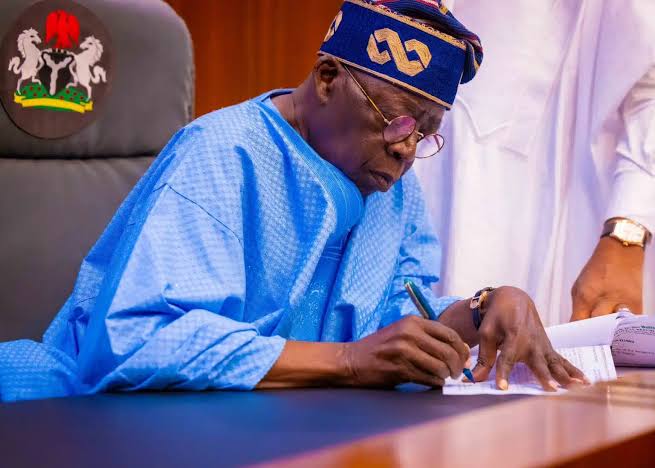
President Bola Ahmed Tinubu has publicly criticized former Kaduna State Governor Nasir El-Rufai, calling his administration “toxic” and praising the leadership of Governor Uba Sani for bringing progress and stability to the state. Speaking at the commissioning of a vocational training institute and a hospital in Kaduna, Tinubu contrasted the past with the present, highlighting the positive changes under Sani’s leadership. The comments mark the first direct public rebuke of El-Rufai, with whom Tinubu had previously been allied. Their relationship has deteriorated since El-Rufai’s defection to the Social Democratic Party (SDP) and his accusations that Tinubu orchestrated the Senate’s rejection of his ministerial appointment. El-Rufai also criticized the president over alleged scandals. Read Also: Tinubu Acknowledges Oversight, Confers CFR on Col. Dangiwa Umar for Defending June 12 Tinubu’s remarks signal a growing political divide between the two, with the president aligning with Sani to reframe the political direction of Kaduna. This rift is seen as part of the broader political dynamics leading into the 2027 elections, where El-Rufai is expected to challenge Tinubu’s second-term bid.

Kaduna, National, News, Politics

Tinubu Acknowledges Oversight, Confers CFR on Col. Dangiwa Umar for Defending June 12

President Bola Ahmed Tinubu has conferred the national honour of Commander of the Order of the Federal Republic (CFR) on retired Colonel Abubakar Dangiwa Umar, a respected advocate of democracy and one of the most vocal defenders of the June 12 election struggle. The announcement was made on Thursday during the commissioning of 100 Compressed Natural Gas (CNG) buses in Kaduna, where President Tinubu publicly acknowledged what he described as a regrettable oversight in the initial Democracy Day honours list released on June 12. Colonel Umar, often described as a “Soldier of Democracy” for his unwavering stand during Nigeria’s pro-democracy movement of the 1990s, was notably absent from this year’s list of honourees, an omission that sparked concern and criticism from various quarters, given his historic role in defending democratic ideals under military rule. Read Also: President Tinubu commissions strategic projects during official visit to Kaduna In his remarks, President Tinubu offered a heartfelt apology and formally corrected the record. “The omission of Colonel Abubakar Dangiwa Umar from the Democracy Day honours list was not intentional. It was a regrettable oversight, and I sincerely apologise. Today, I correct that by announcing the conferment of the national honour of Commander of the Order of the Federal Republic (CFR) on him,” the President stated. Colonel Umar, a former military governor of Kaduna State, gained national prominence for being one of the few military officers who openly condemned the annulment of the June 12, 1993, presidential election widely regarded as Nigeria’s freest and fairest poll. His bold opposition to the military establishment earned him respect across political and civil society circles, securing his place as a moral voice in Nigeria’s democratic evolution. President Tinubu hailed Umar’s courage, integrity, and enduring commitment to justice and good governance, saying: “Colonel Umar’s place in the story of Nigeria’s democracy is not just deserved but essential. His fearless advocacy for truth and justice helped shape the path to our current democratic dispensation.” The conferment of the CFR on Colonel Umar is seen as a symbolic gesture aimed at reaffirming the nation’s appreciation for those who stood firm in defence of democracy during one of the country’s most turbulent periods.

Kaduna, National, News

President Tinubu commissions strategic projects during official visit to Kaduna

President Bola Ahmed Tinubu on Thursday undertook a one-day working visit to Kaduna State, where he commissioned a series of landmark projects aimed at strengthening infrastructure and improving social services. Upon his arrival at the Nigerian Air Force Base in Kaduna, the President was received by Governor Uba Sani, alongside senior government officials, traditional leaders, and other dignitaries. President Tinubu’s visit focused on project inaugurations in Rigachikun, Igabi Local Government Area, where he commissioned newly constructed road networks, upgraded healthcare centres, and modern educational facilities. The projects are part of Kaduna State’s broader developmental strategy to drive rural transformation and expand access to critical public services. Read Also: Photos: Tinubu Inaugurates Greater Abuja Water Project to Expand Clean Water Access Speaking during the inauguration, President Tinubu commended the Kaduna State Government for its commitment to grassroots development and urged continued collaboration across all tiers of government to deliver tangible progress to Nigerians. The President’s presence was marked by heightened security, with joint personnel from the Nigerian Police, Civil Defence Corps, and the military deployed across key areas to ensure a peaceful and orderly visit. President Tinubu’s visit underscores his administration’s focus on supporting subnational efforts aimed at delivering inclusive growth and improving the quality of life for citizens.  

Benue, National, News

Tinubu orders security chiefs to hunt down perpetrators of Benue killings

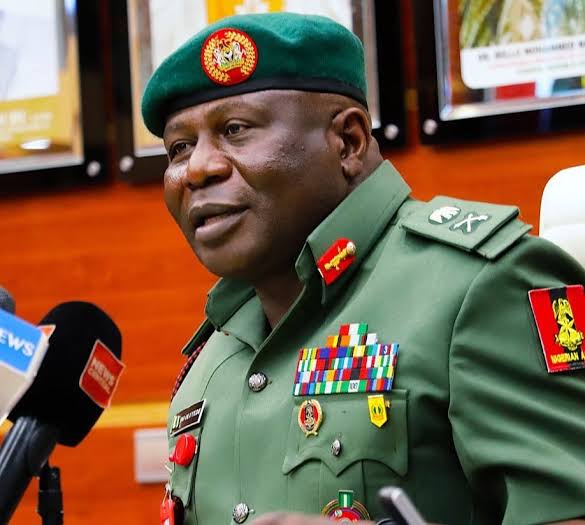
President Bola Ahmed Tinubu has issued a stern directive to Nigeria’s service chiefs and the Inspector General of Police, Kayode Egbetokun, to immediately go after those responsible for the recent spate of killings in Benue State. The President gave the order on Wednesday during his visit to Makurdi, the Benue State capital, where he met with stakeholders following the renewed wave of violence in the North-Central region. Speaking during the meeting at the Government House, Tinubu expressed strong dissatisfaction over the lack of arrests and called for urgent action. Read Also: Presidential Aide Abdul’aziz Gives Back to Alma Mater with Cash and Food Donations “Police, I hope your men are on alert to listen to information. How come no arrest has been made? I expect there should be an arrest of those criminals,” the President said, addressing the Inspector General directly. He also tasked the Chief of Defence Staff, General Christopher Musa, the Director-General of the Department of State Services (DSS), the Director-General of the National Intelligence Agency (NIA), and other top military officials to intensify efforts in gathering actionable intelligence and neutralising the threat. “Christopher, you have given much. I watch your comments you can’t be tired of staying in the bush,” Tinubu added. “Oloyede and the Air Marshal, we thank all of you, but we need to keep our ears to the ground. Let’s get those criminals, let’s get them out.” The President emphasized the need for better coordination among security agencies, urging intelligence units to “retool their information channels” to ensure such attacks do not reoccur. Read Also: 2027: North-Central APC Forum Condemns Gombe Disruption, Backs Ganduje’s Leadership Last week, gunmen suspected to be herders attacked Yelwata community in Guma Local Government Area of the state, killing dozens and displacing thousands. The assault sparked nationwide outrage and prompted protests across parts of the state. The tragedy drew strong condemnation from political leaders, including former Vice President Atiku Abubakar and Labour Party’s presidential candidate Peter Obi, who both called on the federal government to act decisively to end the bloodshed. President Tinubu’s visit and tough rhetoric signal a heightened federal response, but many residents and civil society actors remain cautious, urging the government to follow words with visible results on the ground.

Business, National

CAC Adjusts Service Fees, Effective August 1

The Corporate Affairs Commission (CAC) has announced a revision of its service fees, set to take effect from August 1, 2025. The move, according to the Commission, is aimed at aligning its operations with prevailing economic realities while improving the quality and efficiency of its regulatory services. In a public notice issued by the Commission, the CAC said the new charges reflect extensive consultations with key stakeholders and are part of broader reforms to enhance service delivery, maintain technological infrastructure, and ensure operational sustainability. The Commission assured the public that the revised fees remain modest and competitive when compared to similar regulatory bodies both within and outside Nigeria. It explained that the changes apply to a range of corporate services, including company name reservation, re-listing of struck-off entities, voluntary striking-off, issuance of certified true copies, and extension of time for holding annual general meetings, among others. Read Also: Tinubu arrives Makurdi to address Benue security crisis The review also affects services provided to business names, incorporated trustees, limited liability partnerships, and limited partnerships. The CAC emphasized that the adjustments would not affect the standard N1,000 fee for company name reservation, while applications involving restricted names would remain at N5,000. The Commission further explained that the fee realignment is critical to sustaining digital transformation efforts and improving user experience across its electronic service platforms. “The Commission is committed to transparency, accountability, and the ease of doing business in Nigeria,” the statement read. It also advised business owners, legal practitioners, and the general public to consult its official website for the full breakdown of the updated charges. The CAC’s announcement comes at a time when government agencies are under increasing pressure to balance affordability with efficiency, particularly in sectors crucial to economic development and entrepreneurship.  

Benue, National

Tinubu arrives Makurdi to address Benue security crisis

President Bola Ahmed Tinubu has arrived in Makurdi, the Benue State capital, on an official visit aimed at tackling the escalating security crisis plaguing the state. The President landed at the Tactical Air Command of the Nigerian Air Force Base at approximately 12:58 p.m. on Wednesday. He was received by top government functionaries, security chiefs, and other dignitaries. This high-level visit comes in response to a series of violent attacks that have rocked various communities in Benue, particularly the Yelwata area of Guma Local Government, where several lives have recently been lost in renewed violence. Read Also: 2027: North-Central APC Forum Condemns Gombe Disruption, Backs Ganduje’s Leadership As part of his itinerary, President Tinubu is expected to hold critical meetings with key stakeholders, including traditional rulers, political leaders, and security agencies. The engagements will focus on formulating sustainable strategies to restore peace, enhance security operations, and support affected communities. To mark the significance of the visit, the Benue State Government declared Wednesday, June 18, a public holiday, enabling residents to either participate in or observe the President’s engagements across the state. Further details on the President’s visit are expected to unfold as the engagements progress.  

Education, Kaduna, National, News

ABU Zaria Introduces Strict Dress Code, Triggers Debate on Campus Decency

Ahmadu Bello University (ABU), Zaria, has come under fire following the introduction of a new dress code that bans students and staff from wearing shorts, tight-fitting outfits, long eyelashes, and even engaging in acts such as hugging on campus. The policy, made public through a special bulletin dated June 16 and signed by the university management, outlines what it describes as “indecent and offensive dressing” and warns that violators will face disciplinary actions. According to the document, both students and staff are now prohibited from wearing attire deemed revealing, provocative, or inappropriate for an academic environment. Read Also: Prof. Musa Tukur Yakasai Appointed Sarkin Kudun Gaya by Emir of Gaya The list of banned clothing items includes spaghetti straps, transparent or see-through outfits, ripped or tattered jeans, skirts and shorts that do not cover the knees (except during sporting activities), tight-fitting clothing, and apparel that may hinder practical or laboratory work. Additionally, the policy forbids earrings for male students, ankle chains for female students, dreadlocks, long or colored eyelashes, and braided or woven hairstyles for males. The university also discourages what it calls “untidy appearances,” which include unkempt hair and bushy beards. Beyond dress, the bulletin also bans certain social behaviors on campus. Public displays of affection such as hugging, kissing, or sitting on each other’s laps are now classified as misconduct. Other restricted behaviors include wearing t-shirts with obscene messages, trousers that end mid-calf, face caps worn sideways or backwards, and non-prescribed colored sunglasses. The bulletin states: “Engaging in intimate open embrace (hugging/kissing)… wearing of long eyelashes by female… sagging or ‘ass-down’ by both genders… unconventional wearing of face cap… and openly sitting on each other’s lap by opposite sex” are considered acts of misconduct. Read Also: Beyond the Headlines: The Untold Truth behind Nigeria’s Herders-Farmers Clashes The policy has stirred a wave of criticism from segments of the university community, including students and some staff members, who view it as a clampdown on personal freedom and self-expression. While university authorities say the move is aimed at promoting decency and academic discipline, critics argue that the policy is overly intrusive and enforces conservative norms that may not align with modern student lifestyles. As the debate continues, many await clarity on how the policy will be implemented and enforced across ABU’s various faculties and campuses.  

Kano, National, News

Kano State to Host National Summit on Creative Industry Development

The Kano State Government has approved the hosting of a landmark National Summit on Harnessing the Creative Industry to Boost Nigeria’s GDP, a strategic event aimed at unlocking the vast economic potential embedded in Nigeria’s creative sector. The approval follows a compelling proposal submitted by the Kannywood Foundation, which highlighted Kano’s central role as the cultural and creative capital of Northern Nigeria. The summit will serve as a high-level platform to explore the immense opportunities within the creative industry, including film production, fashion, artisanal craftsmanship, music, literature, and digital content creation. Expected to attract key stakeholders from across Nigeria and beyond, the summit will bring together international development partners, federal ministries and agencies, creative entrepreneurs, investors, and global digital platforms such as Netflix and Amazon. Read Also: 20 Groups Petition Police Over “Inciting” Statement by Former Kano SSG Usman Alhaji Discussions will focus on harnessing the creative sector to diversify the economy, drive youth employment, and promote innovation and cultural preservation across communities. To ensure smooth coordination and successful delivery, Governor Abba Kabir Yusuf has approved the constitution of a Local Organizing Committee (LOC) comprising representatives from government agencies, private sector actors, creative industry guilds, traditional institutions, and academia. According to the Commissioner for Information and Internal Affairs, Comrade Ibrahim Abdullahi Waiya: “This summit is not just an event, it is a strategic initiative to place Kano State at the forefront of Nigeria’s creative economy. Kannywood, our homegrown film industry, alongside our globally admired artisans and creatives, are finally receiving the attention they deserve. The summit aligns with Governor Abba Kabir Yusuf’s people-centered vision to stimulate sustainable development, engage youth, and foster economic diversification.” The state government is calling on all stakeholders within and outside Kano, to support the success of this historic initiative, which complements the administration’s broader goals of youth empowerment, economic revitalization, and cultural renaissance. Signed: Comrade Ibrahim Abdullahi Waiya Hon. Commissioner for Information and Internal Affairs Kano State 17th June, 2025  

National, News, Politics

Weak Local Government Structure Fuelling Insecurity — Senator Dickson

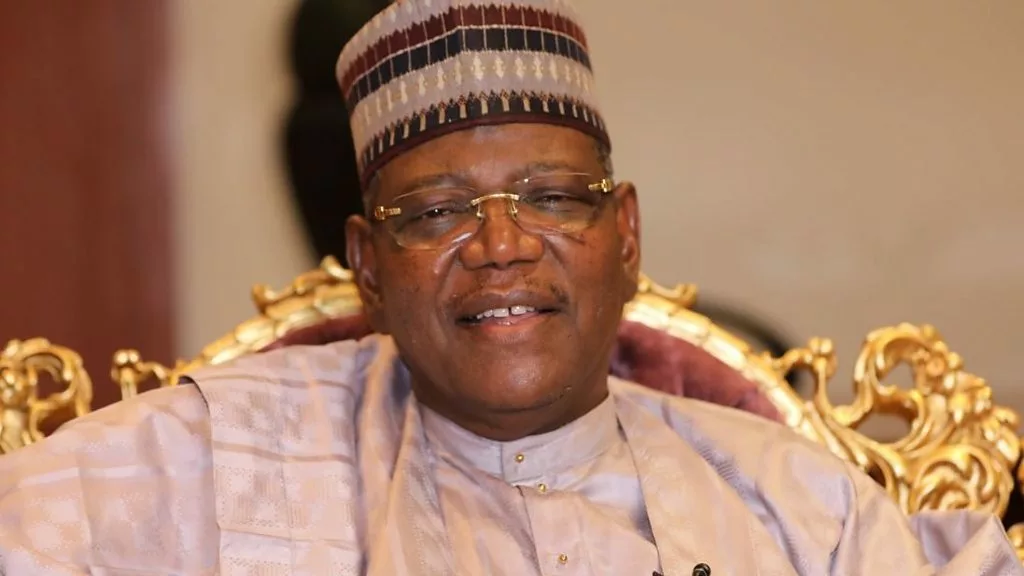
Senator Seriake Dickson, representing Bayelsa West, has blamed Nigeria’s escalating security crisis on the collapse of leadership and governance at the Local Government level. He called for urgent reforms to empower grassroots authorities and restore security across affected regions. Dickson made the remarks on Monday following a phone call with Governor Hyacinth Alia of Benue State, where over the weekend, dozens of residents were reportedly killed in fresh attacks. “I condoled with him, the government, and the good people of Benue State, as well as the families and loved ones of those who died in this dastardly massacre,” the senator stated in a Facebook post. Read Also: 2027: North-Central APC Forum Condemns Gombe Disruption, Backs Ganduje’s Leadership He described the killings as “almost at a genocidal proportion,” warning that the country is becoming dangerously numb to bloodshed. “We cannot be a nation where hundreds of our citizens are killed routinely on a daily basis,” he said. “We are gradually becoming so used to the bloodletting that it no longer makes news. This is abnormal. It is turning us into a nation of brutes and lawlessness, a failed state.” Dickson welcomed the federal deployment of security personnel to Benue, which Governor Alia confirmed during their conversation. He urged the state government to support security operations and engage the public in peace building efforts. Local Government collapse linked to insecurity The former Bayelsa governor emphasized that the weakness of the local government system remains a major factor in Nigeria’s security challenges. “At the base of our nation’s political system the Local Government areas, there is a lacuna: a gap in leadership and capacity to function, which is also affecting our national security,” he said. Dickson urged President Bola Tinubu to ensure full implementation of the Supreme Court ruling that mandates direct funding of Local Government Councils. He argued that empowering Council chairpersons to collaborate directly with Divisional Police Officers (DPOs) and local security agents is crucial to effective governance and community safety. “The cooperation and understanding of governors must be obtained to ensure full autonomy, so council chairmen can take responsibility alongside DPOs and local officers who are familiar with the communities and their challenges,” he said. Citing his experience as governor from 2012 to 2020, Dickson said decentralizing security structures was key to managing conflict in Bayelsa and urged other states to adopt similar approaches. He also restated his support for state policing and stressed the importance of bipartisan cooperation in tackling insecurity. “As I have always maintained, issues of national security, the economy, and the protection of our national values and democracy know no political colour,” he said.

Scroll to Top