The Historica Nigeria

National

National, News

Tinubu Presides Over Council of State Meeting at Presidential Villa

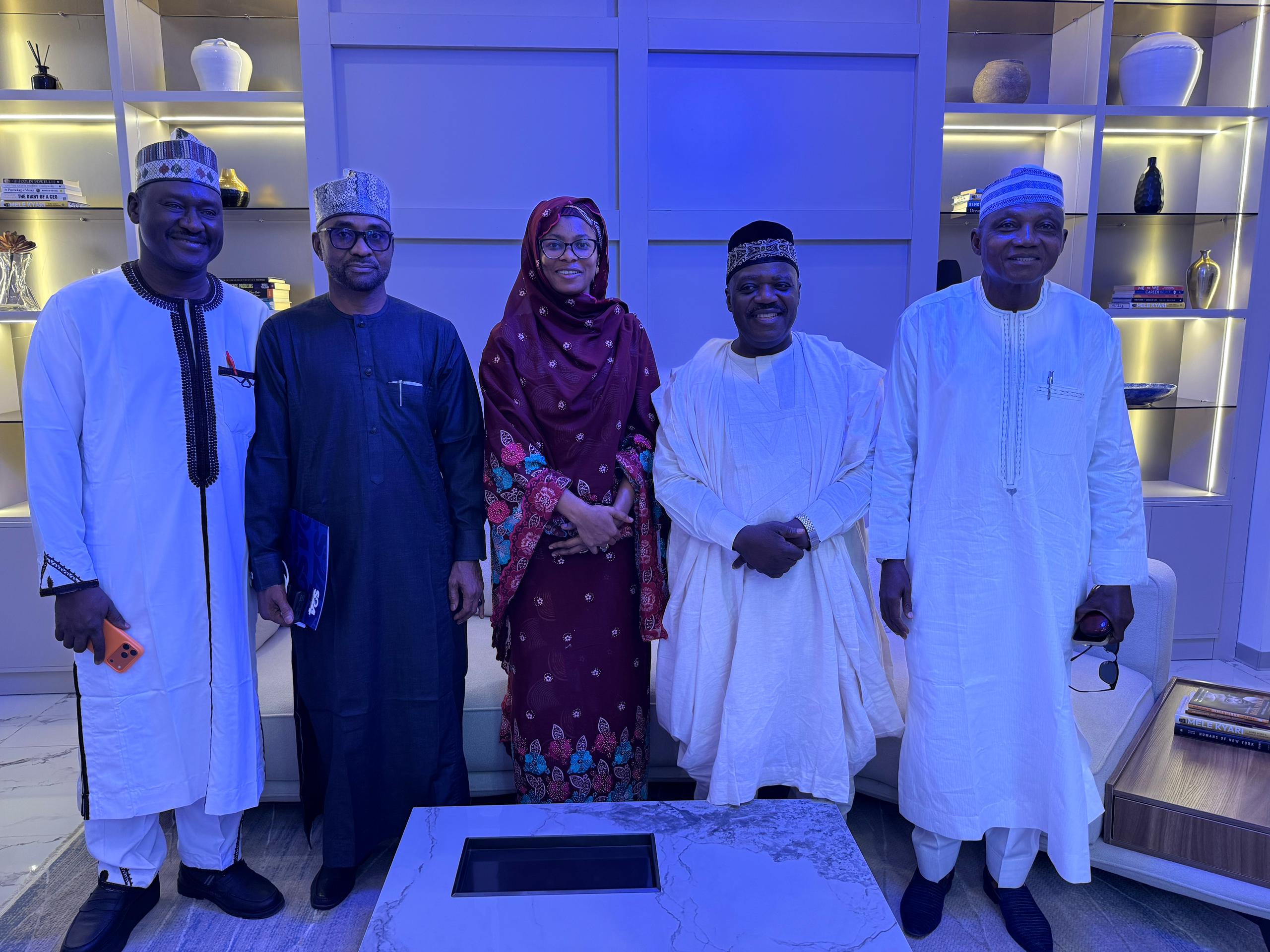
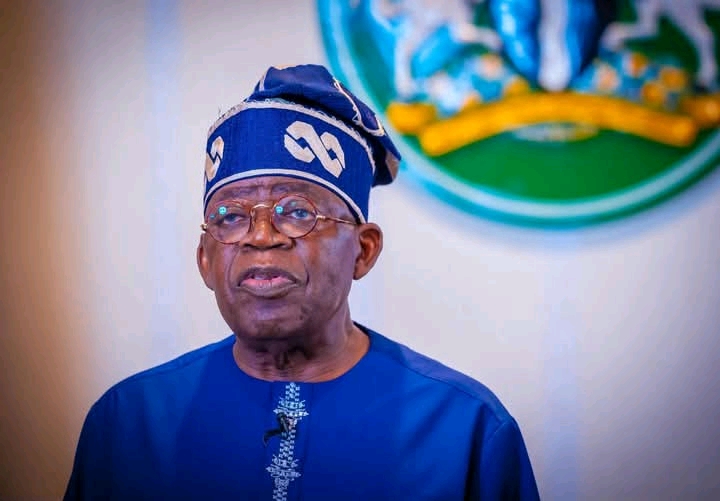
President Bola Ahmed Tinubu is currently presiding over a meeting of the Council of State at the Council Chambers of the Presidential Villa, Abuja. The high-level gathering brings together past and present leaders to deliberate on key national issues, including security challenges and the possible appointment of a new Chairman for the Independent National Electoral Commission (INEC). According to Daily Trust, former Presidents Ibrahim Babangida and Abdulsalami Abubakar, as well as Anambra State Governor Charles Soludo, joined the session virtually. However, some notable former leaders — including General Yakubu Gowon (rtd), Chief Olusegun Obasanjo, and Dr. Goodluck Jonathan — were not sighted at the venue as the meeting moved into a closed-door session. Read Also: Ganduje’s Model of Governance: Building Progress Beyond Politics This marks the second Council of State meeting chaired by President Tinubu, following a similar session held in August 2024. Other key government officials in attendance include Secretary to the Government of the Federation (SGF) George Akume; National Security Adviser (NSA) Mallam Nuhu Ribadu; Attorney General of the Federation and Minister of Justice, Lateef Fagbemi; Chief of Staff to the President; and other senior officials. Also present at the meeting were several state governors, including those of Kwara, Rivers, Enugu, Kano, Kebbi, Kogi, Borno, Ogun, Sokoto, Edo, Kaduna, and Abia States. The Council of State — an advisory body established under the 1999 Constitution — serves to counsel the President on matters of national importance, including policy formulation, appointments, and national security.

Business, National, News

Why Cooking Gas Price Soared to ₦2,000 Per Kilogram — Marketers Explain

Nigerians have expressed deep frustration over the sudden surge in the price of cooking gas, which now sells for as high as ₦2,000 per kilogram in some parts of the country. The Nigerian Association of Liquefied Petroleum Gas Marketers (NALPGAM) has attributed the hike to temporary supply disruptions and market exploitation by some operators. Speaking on Channels Television, NALPGAM President, Mr. Oladapo Olatunbosun, clarified that there had been no official increase in the price of Liquefied Petroleum Gas (LPG), blaming the situation on “opportunistic marketers taking advantage of supply gaps” caused by a recent strike by the Petroleum and Natural Gas Senior Staff Association of Nigeria (PENGASSAN), which disrupted operations at the Dangote Refinery. Read Also: FCCPC Raises Alarm Over Chemically Ripened Fruits, Adulterated Foods “I sympathise with Nigerians because we never intended a situation like this,” Olatunbosun said. “Prices have not officially gone up, but some marketers are exploiting the shortage to make quick profits.” Before the increase, LPG sold for between ₦1,200 and ₦1,300 per kilogram, but it now ranges from ₦1,700 to ₦2,000 — and in some areas, up to ₦3,000 — according to market reports. Olatunbosun described the surge as “artificial and temporary,” assuring that supply would soon stabilise. He explained that the problem began when the Dangote Refinery — which had significantly improved domestic supply — suspended truck loading for maintenance. “Before the strike, Dangote sent out about 50 trucks daily, serving the South-West and parts of the North. When maintenance began, loading slowed, and marketers turned to Apapa depots. The strike then halted vessel discharges and inspections, leading to shortages,” he said. Although the strike has been called off and distribution has resumed, the NALPGAM president said it would take time to clear the backlog, particularly in the South-West, which accounts for the largest share of the country’s gas consumption. He further noted that Nigeria’s LPG demand has increased from 1.2 million metric tonnes three years ago to nearly two million tonnes, causing supply strain whenever disruptions occur. Olatunbosun advised consumers to buy gas only from registered and licensed plants to avoid inflated prices by third-party sellers, stressing that the recommended retail price should not exceed ₦1,300 per kilogram at certified outlets. He assured that NALPGAM is working closely with relevant authorities to stabilise supply and restore normal pricing nationwide.

Kano, National

Ganduje’s Model of Governance: Building Progress Beyond Politics

In Nigeria’s political space, debates are often overshadowed by accusations and counter-accusations. Yet, leadership must ultimately be measured by results, not rhetoric. For Dr. Abdullahi Umar Ganduje, former Governor of Kano State and immediate past National Chairman of the All Progressives Congress (APC), his legacy continues to generate both scrutiny and admiration. While critics question processes around certain policies, his achievements stand as evidence of a governance style rooted in pragmatism, economic efficiency, and infrastructural development. Transforming the Dry Port Vision into Reality One of Ganduje’s most notable accomplishments is the operationalization of the Dala Inland Dry Port, a project that had lingered for years without meaningful progress. Under his leadership, the port moved from concept to functionality, proving instrumental in decongesting Apapa and Tin Can Island ports by creating a functional inland alternative. Read Also: Ganduje: A Resilient Political Survivor Facing Image Wars The port streamlined international trade through improved customs processing, provided cost-effective logistics with the rail connection to Lagos, boosted exports with successful shipments directly from Kano, and created jobs in port operations, warehousing, logistics, and support services. This stands in contrast to national examples of state-managed enterprises such as Ajaokuta Steel Company and NITEL that became symbols of inefficiency and waste. Ganduje’s model demonstrated that partnerships leveraging private sector efficiency could succeed where government monopolies failed. Employment and Economic Efficiency Ganduje’s initiatives consistently sought to tie infrastructure projects with job creation. In Kano, his administration expanded road networks, built flyovers, modernized schools, and strengthened healthcare delivery. Unlike populist approaches, his style was more practical: invest in projects that generate lasting economic value. The Dry Port is now a case study in employment generation, a functional enterprise creating opportunities in a region that urgently needs them. Lessons in Pragmatism The Ganduje model aligns with broader national reforms, particularly in fuel subsidy removal and privatization of failing enterprises. His defenders argue that his willingness to push through unpopular but necessary policies reflected political courage. Just as Nigeria now grapples with the fiscal burden of subsidy removal, Ganduje’s decisions showed foresight: prioritizing functionality, efficiency, and long-term gains over short-term applause. Resilience in Politics Beyond infrastructure, Ganduje’s story is also one of resilience and survival in Nigeria’s competitive politics. Despite storms of criticism, he rose from grassroots mobilizer to Governor of Kano and eventually National Chairman of APC, a testament to his political staying power and ability to adapt. His resilience, supporters argue, is matched only by his commitment to leaving behind tangible infrastructure and economic reforms rather than promises alone. The debate around Ganduje should not rest solely on ownership structures or populist narratives. Instead, the measure should be impact on the people. From the functional Dala Inland Dry Port to infrastructural renewal and economic reforms, his record offers lessons in pragmatism. Conclusively, in a country often haunted by failed promises, Ganduje’s model focused on results rather than rhetoric, remains a blueprint worth studying as Nigeria seeks pathways to prosperity.

National, News

Police Halt Tinted Glass Permit Enforcement After Court Order

The Nigeria Police Force (NPF) has announced the suspension of the enforcement of the vehicle tinted glass permit following a court order halting the exercise. Confirming the development, the Spokesperson for the Federal Capital Territory (FCT) Police Command, SP Josephine Adeh, stated during an interview on AIT on Wednesday that the police officially decided to comply after receiving the court order. According to Adeh, the suspension takes immediate effect and will remain in place pending further legal clarifications and directives from the appropriate authorities. Read Also: Shehu Sani Challenges Youths to Move Beyond Social Media and Join Politics “Information reaching me from the office of the PRO is that the order has been received and the enforcement of the tinted permit is now on hold pending the court’s verdict,” Adeh said. She explained that the directive to suspend enforcement would remain in place pending the outcome of the ongoing legal process. “We are waiting for the verdict. We are not against the courts, and we will continue to wait until we get a verdict,” she added. Addressing public concerns about the purpose of the tinted glass regulation, Adeh clarified that it was introduced for security reasons, noting that some criminal activities had been carried out using vehicles with darkened windows. “The law was not made by us. We are enforcers. The policy was purely security-driven. Some criminals were using tinted vehicles to commit offences, making it difficult for law enforcement to identify suspects,” she said. Adeh also dismissed claims that the policy was designed for financial gain, explaining that all payments related to tinted permits are made directly into the Federal Government’s Treasury Single Account (TSA), not to the police.

National, News

Shehu Sani Challenges Youths to Move Beyond Social Media and Join Politics

Shehu Sani Challenges Gen Z to Move Beyond Social Media and Join Politics Former Kaduna Central Senator, Shehu Sani, has called on Nigerian youths, particularly members of Generation Z, to move beyond social media activism and actively participate in politics by contesting elective positions. Sani made the call in a post on his X handle (formerly Twitter) on Tuesday, reminding young Nigerians of the constitutional age requirements for political offices. Read Also: What You Need to Know About Nigeria’s New Acting Electoral Chief, May Agbamuche-Mbu “Dear Gen Z, just a reminder on the ages you can contest elections: President, 35 years; Senate, 35 years; Reps, 25 years; Governor, 35 years; House of Assembly, 25 years; Council Chairman, 30 years; and Councillor, 25 years,” he wrote. The former senator noted that many of today’s political leaders were relatively young when Nigeria returned to democratic rule in 1999. “Most of the people you see in power today were almost your age mates in 1999,” he said, urging the younger generation to emulate them by taking active roles in leadership and governance. Sani, who represented Kaduna Central Senatorial District in the 8th National Assembly, encouraged youths to devote more time to political participation rather than limiting their activism to social media platforms. “Spare some time from social media and take up the challenge. Wishing you the best,” he added. The former lawmaker, known for his advocacy on democracy, youth inclusion, and good governance, reiterated that the future of Nigeria’s democracy depends on the active involvement of young people in decision-making and governance processes.

Kano, National, News

What You Need to Know About Nigeria’s New Acting Electoral Chief, May Agbamuche-Mbu

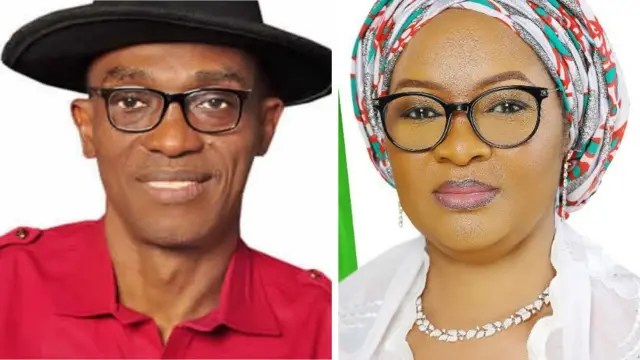
A National Commissioner at the Independent National Electoral Commission (INEC), Mrs. May Agbamuche-Mbu, has officially assumed office as the Acting Chairman of the electoral body following the handover by Professor Mahmood Yakubu, who is proceeding on terminal leave. The announcement was made on Tuesday during a stakeholders’ meeting with Resident Electoral Commissioners (RECs) at the INEC headquarters in Abuja. Agbamuche-Mbu, one of the longest-serving National Commissioners, now assumes leadership at a critical time as the commission continues to strengthen Nigeria’s democracy and electoral processes. Born in Kano but originally from Delta State, Agbamuche-Mbu’s multicultural background has shaped her inclusive outlook and commitment to national unity. She attended St. Louis Secondary School, Kano, before proceeding to the University of Ife (now Obafemi Awolowo University), where she obtained her Bachelor of Laws (LLB) degree in 1984. She was called to the Nigerian Bar in 1985 and later qualified as a Solicitor of the Supreme Court of England and Wales. Read Also: Tinubu Confers National Honour on Outgoing INEC Chairman She also holds a Master’s degree in Commercial and Corporate Law from Queen Mary and Westfield College, University of London, as well as postgraduate qualifications in International Dispute Resolution and International Business Law. Before joining INEC, Agbamuche-Mbu was the Managing Partner at Norfolk Partners, a Lagos-based law firm, and served as the sole solicitor on the Presidential Projects Assessment Committee (2010–2011). She also contributed to drafting the Roadmap for the Solid Minerals Sector in 2016. As a National Commissioner since 2016, she has played a significant role in legal and policy reforms within the commission. Her elevation to Acting Chairman marks a continuation of her long-standing dedication to strengthening the nation’s electoral process. Agbamuche-Mbu is a certified arbitrator and former Secretary of the Chartered Institute of Arbitrators (Nigeria). She is also known for her thought leadership as editor of THISDAY LAWYER, where her widely read column “Legal Eagle” shaped public discourse on law, governance, and policy. Though she maintains a private personal life, her professional record stands as one of excellence and integrity. Her appointment comes at a pivotal time for INEC as it prepares for upcoming elections and continues to implement key electoral reforms aimed at deepening Nigeria’s democracy.

National, News

Tinubu Accepts Nnaji’s Resignation Following Allegations

President Bola Ahmed Tinubu has accepted the resignation of Geoffrey Uche Nnaji, Minister of Innovation, Science, and Technology, following allegations levelled against him. Nnaji, who was appointed in August 2023, tendered his resignation in a letter to the President, expressing gratitude for the opportunity to serve the nation. He stated that he had become a target of political blackmail and considered his resignation necessary to protect the integrity of the administration. Read Also: Tinubu Confers National Honour on Outgoing INEC Chairman In a statement issued by Bayo Onanuga, Special Adviser to the President on Information and Strategy, President Tinubu thanked Nnaji for his contributions to national development and wished him success in his future endeavours.

National, News

Tinubu Confers National Honour on Outgoing INEC Chairman

President Bola Ahmed Tinubu has formally accepted the departure of Professor Mahmood Yakubu as Chairman of the Independent National Electoral Commission (INEC) following the completion of his second term in office. In recognition of his service to the nation, President Tinubu conferred on Professor Yakubu the National Honour of Commander of the Order of the Niger (CON). Professor Yakubu, who first assumed office in November 2015 as the 14th INEC Chairman, served two consecutive five-year terms after being reappointed in 2020. During his tenure, the commission conducted the 2019 and 2023 general elections, as well as several off-cycle and by-elections across Nigeria. Read Also: INEC Chairman Mahmood Yakubu Hands Over to May Agbamuche as Acting National Chairman In a statement signed by Bayo Onanuga, Special Adviser to the President on Information and Strategy, President Tinubu commended Professor Yakubu for his “dedicated service to the nation and steadfast commitment to the conduct of free, fair, and credible elections.” According to Onanuga, in a letter dated October 3, 2025, Professor Yakubu expressed his gratitude to President Tinubu for the opportunity to serve the country as INEC Chairman for nearly a decade, noting that it was a privilege to contribute to the deepening of Nigeria’s democratic process.

National, News

INEC Chairman Mahmood Yakubu Hands Over to May Agbamuche as Acting National Chairman

The National Chairman of the Independent National Electoral Commission (INEC), Professor Mahmood Yakubu, has officially handed over leadership of the commission to National Commissioner May Agbamuche, who will serve as Acting Chairman. Agbamuche, the oldest serving National Commissioner in the commission, will oversee the affairs of INEC pending the appointment of a substantive chairman. Read Also: Presidency Moves to Cut Hajj Costs for 2026 Pilgrims Professor Yakubu announced the handover on Tuesday during an ongoing meeting with Resident Electoral Commissioners (RECs) at the INEC headquarters in Abuja. He appealed for the continued cooperation and support of commissioners, directors, and other senior staff for the acting chairman to ensure a smooth administrative transition and continuity in the commission’s operations.

Abuja, National, News

Senate Set to Resume Plenary Tuesday, Eyes Key Reforms and Security Summit

Nigeria’s Senate is set to reconvene on Tuesday after an extended recess, with a crowded agenda dominated by long-delayed debates on national security and electoral reforms that citizens have been anxiously awaiting. The upper chamber postponed its initial resumption date from September 23 to October 7, 2025, prolonging its annual break by two weeks and delaying deliberations on several key national issues. Among the pending items are the proposed National Security Summit, amendments to the Electoral Act, the 2025 Constitution Alteration Bill, and the long-stalled National Assembly Budget and Research Office Bill — a two-decade-old proposal intended to strengthen fiscal oversight through independent budget analysis. Read Also: Presidency Moves to Cut Hajj Costs for 2026 Pilgrims In an internal memo signed by Chinedu Akubueze, Chief of Staff to Senate President Godswill Akpabio, lawmakers were informed of the shift, which he described as regrettable. “This is to respectfully inform Distinguished Senators that the resumption of plenary sitting of the Senate, earlier scheduled for Tuesday, September 23, 2025, has been shifted to Tuesday, October 7, 2025. Any inconvenience this short notice may cause is deeply regretted,” the memo read. Although the Senate leadership did not offer an official explanation, legislative sources told The PUNCH that the extension was meant to allow lawmakers to fully participate in Nigeria’s October 1 Independence Day activities. The delay has stirred public frustration, as the Senate faces mounting pressure to address worsening insecurity and push forward electoral reforms ahead of the 2027 polls. The proposed Security Summit, led by Senate Leader Opeyemi Bamidele and a 20-member ad hoc committee, is expected to outline new strategies to counter rising violence across the country. “No amount of investment in infrastructure will yield meaningful results without peace and stability,” Bamidele said at the committee’s inaugural meeting in June. Also awaiting debate is the Constitution Alteration Bill (SB. 855), sponsored by Senator Sunday Karimi (Kogi West), which seeks to amend sections of the 1999 Constitution widely criticised as outdated and unfit for Nigeria’s evolving democracy. Senate President Akpabio has frequently defended the chamber’s record, noting in June that the 10th Senate had already considered 844 pieces of legislation, including 26 executive bills, with another 499 awaiting second reading. “It is a record that has not been held by any Nigerian Senate in two years,” Akpabio said during a Democracy Day joint session attended by President Bola Tinubu and Vice President Kashim Shettima. Critics, however, argue that the Senate’s frequent adjournments and prolonged recesses have slowed momentum on key reforms, casting doubt on lawmakers’ commitment to tackling the country’s deepening security, electoral, and economic crises.

Scroll to Top