
Health
Ebola: FG confirms case in FCT, identifies 44 close contacts

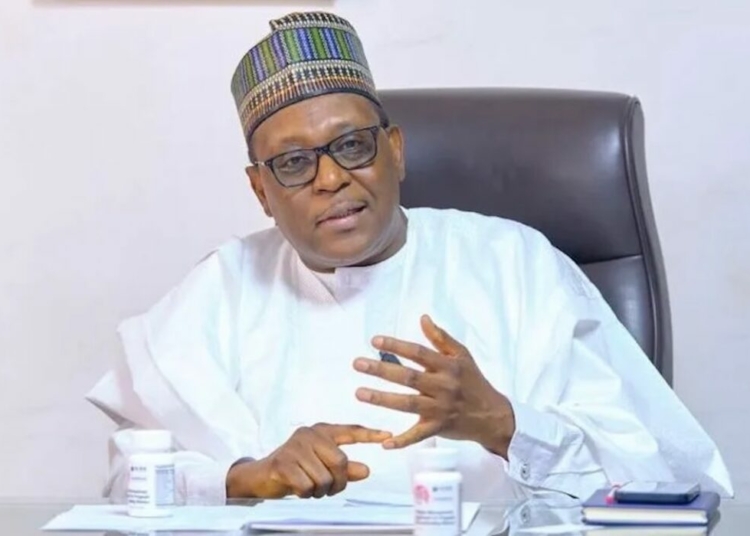
The Federal Government has confirmed a case of Ebola virus disease in the Federal Capital Territory (FCT), involving a woman who recently arrived in Nigeria on an international flight from Uganda.
The Coordinating Minister of Health and Social Welfare, Prof. Muhammad Ali Pate, disclosed this in a statement on Tuesday, October 20, 2026, following laboratory confirmation of the infection.
According to the statement, the patient was admitted to a private hospital in the FCT, where she received treatment for several days before the diagnosis was confirmed. She is currently in isolation and receiving medical care.
Pate said contact tracing had commenced, with 44 close contacts identified so far, while public health teams were working to identify and monitor other potentially exposed persons, including healthcare workers, patients, caregivers and travel contacts.
Read Also:
Mariya Bunkure backs Northwest University’s push for maternal, child health centre
He said the Federal Ministry of Health and Social Welfare, the Nigeria Centre for Disease Control and Prevention (NCDC), the FCT Health Services Secretariat and other relevant authorities were coordinating efforts to contain the infection and prevent further transmission.
The minister added that surveillance had been intensified, while the hospital where the patient received treatment was receiving immediate support to strengthen infection prevention and control measures.
FG alerts hospitals nationwide
Pate urged public and private healthcare facilities nationwide to remain on high alert, advising healthcare workers to maintain a high index of suspicion for Ebola and promptly identify, isolate and report suspected cases to public health authorities.
He also emphasised the need for strict adherence to infection prevention and control measures to protect healthcare workers, patients and the wider public.
Explaining how the disease spreads, the minister said Ebola is transmitted through direct contact with the blood or body fluids of an infected person who is sick or has died from the disease, as well as contact with contaminated materials.
He stressed that an infected person cannot transmit the disease before symptoms begin.
The minister advised Nigerians to practise regular hand hygiene, avoid contact with the body fluids of anyone suspected of having Ebola, and remain alert to symptoms such as fever, severe weakness, headache, vomiting and diarrhoea, particularly after possible exposure.
He urged anyone who might have been exposed to report immediately to public health authorities, even if they felt well.
Those who develop symptoms, he added, should avoid close contact with others and contact public health authorities for guidance before visiting a healthcare facility.
Public urged to cooperate with contact tracing
The minister called on members of the public to cooperate with contact tracing teams, including airline passengers who might be contacted as part of efforts to establish possible exposure.
He also cautioned against spreading unverified information or stigmatising individuals who might have been exposed to the virus.
Pate recalled that Nigeria successfully contained an Ebola outbreak in 2014, noting that the country had acquired valuable experience and developed public health systems for responding to such threats.
However, he stressed that preventing further transmission would depend on early detection, prompt reporting, effective surveillance and public cooperation.
He said the Federal Government, FCT authorities and other partners would continue to provide updates through the Presidential Taskforce on Ebola Virus Disease and the NCDC.
The minister advised Nigerians seeking information or wishing to report suspected cases to contact the NCDC through its toll-free number, 6232, which is available 24 hours a day, seven days a week.

NUJ seeks justice for Kaduna journalist facing retrial over Facebook post

APC taps Gaya polytechnic committee chairman for academic mobilisation

NBTE proposes polytechnic act amendment to allow BTech degrees

FRSC prohibits political convoy escorts ahead of 2027 elections

Kano Governor Nominates Retired Air Commodore, Professor, Four Others as Commissioners
ABCOAD Unveils Journal, Bids Farewell to Provost

Nigerian Army Begins DSSC 29/2026 Recruitment, Outlines Eligibility Criteria

2027: NDC Releases Full List of Consensus Candidates in Kano

Gaya Polytechnic Opens Recruitment, Advertises 46 Academic, Non-Academic Positions