Feature
Umar Haruna Doguwa: The politician whose journey reflects Kano’s changing political landscape

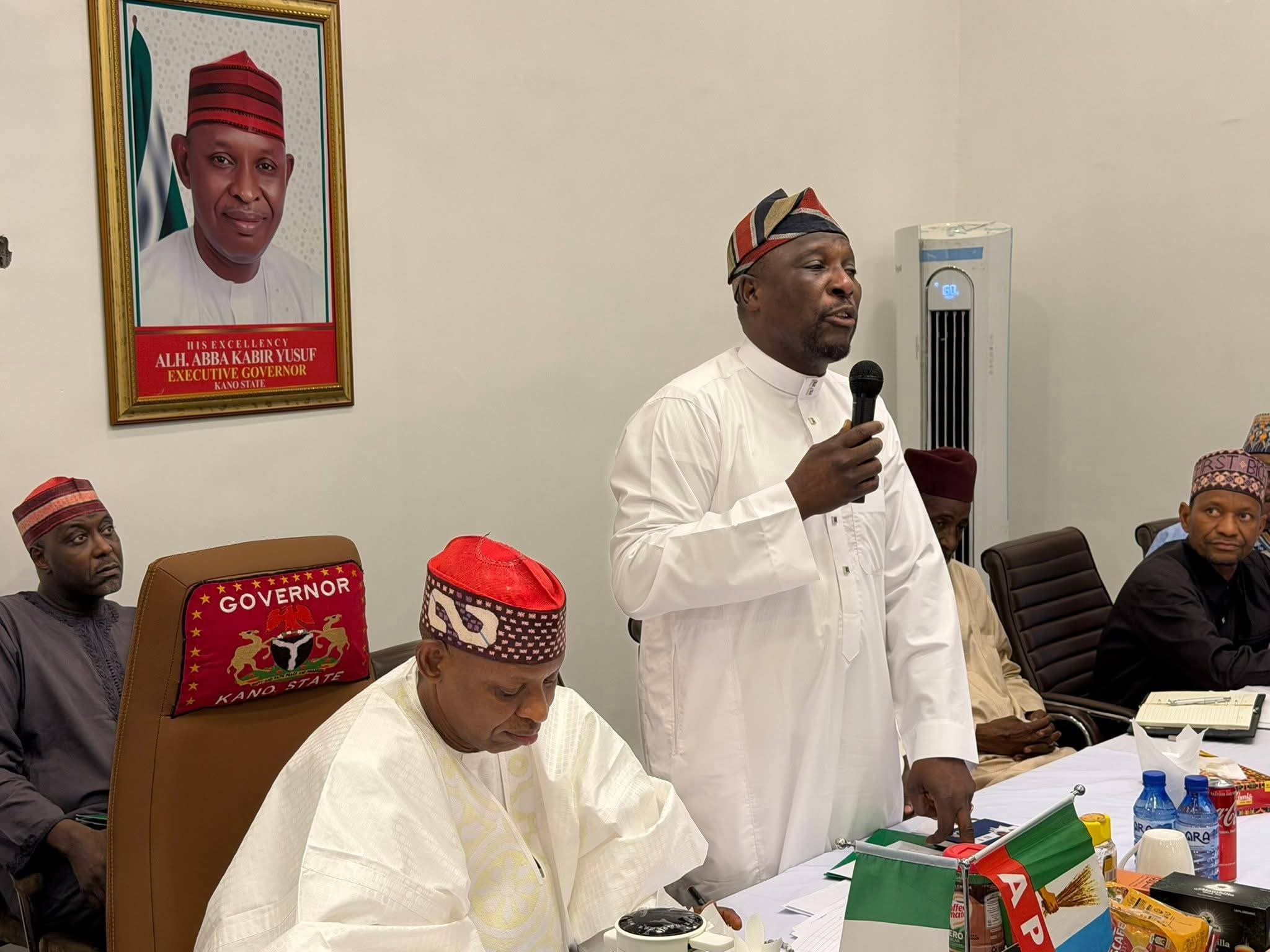
By Ridwan Doguwa, Secretary, Umar Hudu Youth Legacy Forum
In politics, some people seek power to build a name, others pursue recognition as a pathway to power, while some become part of the political history of the communities they serve through their involvement in major political developments.
In Kano State, where political competition, shifting alliances and changing public preferences have repeatedly influenced the direction of government, Alhaji Umar Haruna Doguwa is among the politicians whose journey offers an opportunity to examine the state’s evolving political landscape.
From party leadership to movement across major political platforms, Doguwa’s political career has intersected with significant periods in Kano’s political development, including changes that preceded the emergence of different administrations.
However, understanding a politician’s place in history requires more than examining the offices held or political parties joined. It also demands an appreciation of the wider political environment, the contributions of other stakeholders and the choices made by voters at different times.
From APC to PDP and NNPP: A journey through political change
In 2014, Umar Haruna Doguwa served as the APC chairman in Kano at a time when the party was preparing to challenge the government then in power.
Read Also:
No Vacancy at Villa Until 2031, Mariya Bunkure Tells APC Supporters
The political contest culminated in the 2015 governorship election, which produced Dr Abdullahi Umar Ganduje as governor of Kano State.
The outcome marked an important chapter in the state’s political history, demonstrating how changing voter preferences, political alliances and party organisation can contribute to a change in government.
Doguwa later assumed the leadership of the PDP in Kano in 2018, as political activities intensified ahead of the 2019 general elections.
The election featured intense competition among the major political parties, with leadership questions, voter support and campaign strategies dominating the political landscape.
That period once again highlighted the complexity of Kano politics, where electoral outcomes cannot be explained by party affiliations alone. Candidates, political alliances, public opinion and the prevailing political environment all contribute to determining the outcome of elections.
By the 2023 governorship election, Doguwa was also among the political figures associated with the NNPP, the party that won the election and produced Abba Kabir Yusuf as governor.
His political journey across the APC, PDP and NNPP provides a useful perspective on the changes that have shaped Kano’s political environment over the years.
Nevertheless, membership of a political party should be distinguished from an individual’s direct contribution to its electoral success. Election victories are generally influenced by several factors, including the strength of candidates, voter preferences, party structures and the political circumstances surrounding each contest.
Party switches: Strategic calculation or a search for new opportunities?
One question raised by Doguwa’s political journey is whether remaining in one political party throughout one’s career is the ultimate demonstration of loyalty, or whether changing political platforms can sometimes represent an attempt to pursue new opportunities and objectives.
There is no simple answer to this question. Politicians change parties for different reasons, which may include disagreements, changing political calculations, the pursuit of new alliances or the search for a more favourable platform from which to participate in the political process.
However, changing parties does not automatically guarantee political success, just as remaining in one party for many years does not necessarily mean a politician has failed to achieve meaningful objectives.
What matters most is the influence a politician exercises, the quality of their engagement with the public and the contribution they make to governance and democratic development.
Effective political leadership requires an understanding of changing circumstances, the ability to engage people with different perspectives, a commitment to clear objectives and the willingness to review strategies when necessary.
In Kano, where voters hold diverse political preferences and expectations, politicians seeking to remain relevant must recognise that public support is not permanent. It requires continued engagement, credibility and responsiveness to the concerns of the electorate.
Abba Kabir Yusuf and Kano First: From political slogan to measurable results
The administration of Abba Kabir Yusuf faces a responsibility common to governments operating under democratic systems: improving public welfare, strengthening the economy, expanding opportunities and ensuring that governance delivers tangible benefits to citizens.
The idea behind “Kano First” carries an important message: the interests of Kano’s people should be central to government policies, public spending and development priorities.
However, the value of any government agenda cannot be measured solely by the appeal of its name or the frequency with which it is promoted. Its real significance lies in implementation and the results experienced by ordinary people.
What is the value of government if citizens continue to struggle to meet basic needs? What does democracy mean to young people who lack adequate opportunities to work, develop their skills or build sustainable livelihoods? And what purpose do public resources serve if they fail to address the problems affecting the majority?
These questions are relevant to every administration, regardless of its political affiliation.
For “Kano First” to become a meaningful development agenda, its impact should be evident in areas such as education, healthcare, security, employment, support for small businesses and the provision of essential infrastructure.
Government performance should also be assessed through transparency, accountability in the management of public funds and the willingness of authorities to listen to public complaints and correct shortcomings.
This is the distinction between a political slogan and a policy agenda translated into practical action.
Political history is about more than winning elections
Political history is not simply a record of election winners. It also examines how governments perform, the policies they implement and the consequences of those policies for the people they serve.
Similarly, a politician’s legacy cannot be measured only by the number of offices held or political parties joined. It requires an assessment of their contribution to political organisation, democratic institutions and policies that serve the public interest.
For politicians, this means recognising public office as a responsibility entrusted by the electorate rather than merely an opportunity to acquire status or influence.
For governments, it means that achievements should not be judged exclusively by major construction projects or the slogans used to promote their programmes. The effects of government policies on ordinary citizens, opportunities for young people and progress in addressing public concerns are equally important.
If the principle of “Kano First” is to carry real meaning, it must be reflected in budgetary priorities, development programmes, public services and the management of the state’s resources.
Ordinary citizens need more than political promises. They need food on their tables, quality education for their children, accessible healthcare for their families, security in their communities and opportunities to earn a decent living.
These are among the practical measures through which citizens can determine whether a government’s priorities reflect their needs.
Lessons from Doguwa’s political journey
Umar Haruna Doguwa’s movement across major political parties provides an opportunity to examine how politicians respond to changing circumstances and seek to maintain relevance within a competitive democratic system.
The first lesson is that politics requires strategic thinking and an understanding of changing conditions. Approaches that work in one political environment may require reconsideration when circumstances change.
The second is that political influence requires more than holding an office. It depends on public confidence, effective engagement with stakeholders and the ability to support policies that address the needs of the people.
The third lesson is that electoral success and effective governance, although related, are not the same thing. Winning an election gives a politician the opportunity to govern; how that opportunity is used helps determine their place in history.
Consequently, any meaningful assessment of a politician’s career should consider the events surrounding their journey, their documented contributions and the lessons that society can draw from their experience.
Offices fades, but the impact of service endures
Alhaji Umar Haruna Doguwa is among the politicians whose careers have intersected with changes in party affiliations and government in Kano at different times.
His political journey offers a perspective on changing strategies, competition among political parties and the efforts politicians make to remain influential within a democratic system.
The broader lesson, however, is that politics involves more than holding office or belonging to a ruling party. It also demands vision, patience, integrity, accountability and an understanding of public needs.
A government may earn praise for the projects it delivers, but its legacy becomes more meaningful when those projects contribute to improving people’s lives.
Likewise, a politician may participate in major political developments, but the durability of their historical reputation ultimately depends on their contribution and the impact of their actions on society.
If “Kano First” is to become a lasting legacy, it must move beyond political messaging and translate into visible improvements in the daily lives of the people.
Ultimately, offices change hands, political parties evolve and governments come and go. What endures is the impact of what leaders have done for the people they were entrusted to serve.
Ridwan Doguwa

City Boy Movement dismisses alleged snub of Bashir Ahmad by Seyi Tinubu

Aisha Ahmad Suleiman: The Kaduna woman breaking barriers in polo

Hauwa Abdullahi Shuaibu: A young administrator making her mark in Kano judiciary

Kano Polytechnic gets new Registrar as Mukhtar Bello’s tenure ends
How INEC’s final list left Kano NDC governorship candidate Gwarzo out

ABCOAD Unveils Journal, Bids Farewell to Provost

Nigerian Army Begins DSSC 29/2026 Recruitment, Outlines Eligibility Criteria

2027: NDC Releases Full List of Consensus Candidates in Kano

Gaya Polytechnic Opens Recruitment, Advertises 46 Academic, Non-Academic Positions