
Feature
Why the fake presidency agency case raises questions about internal controls

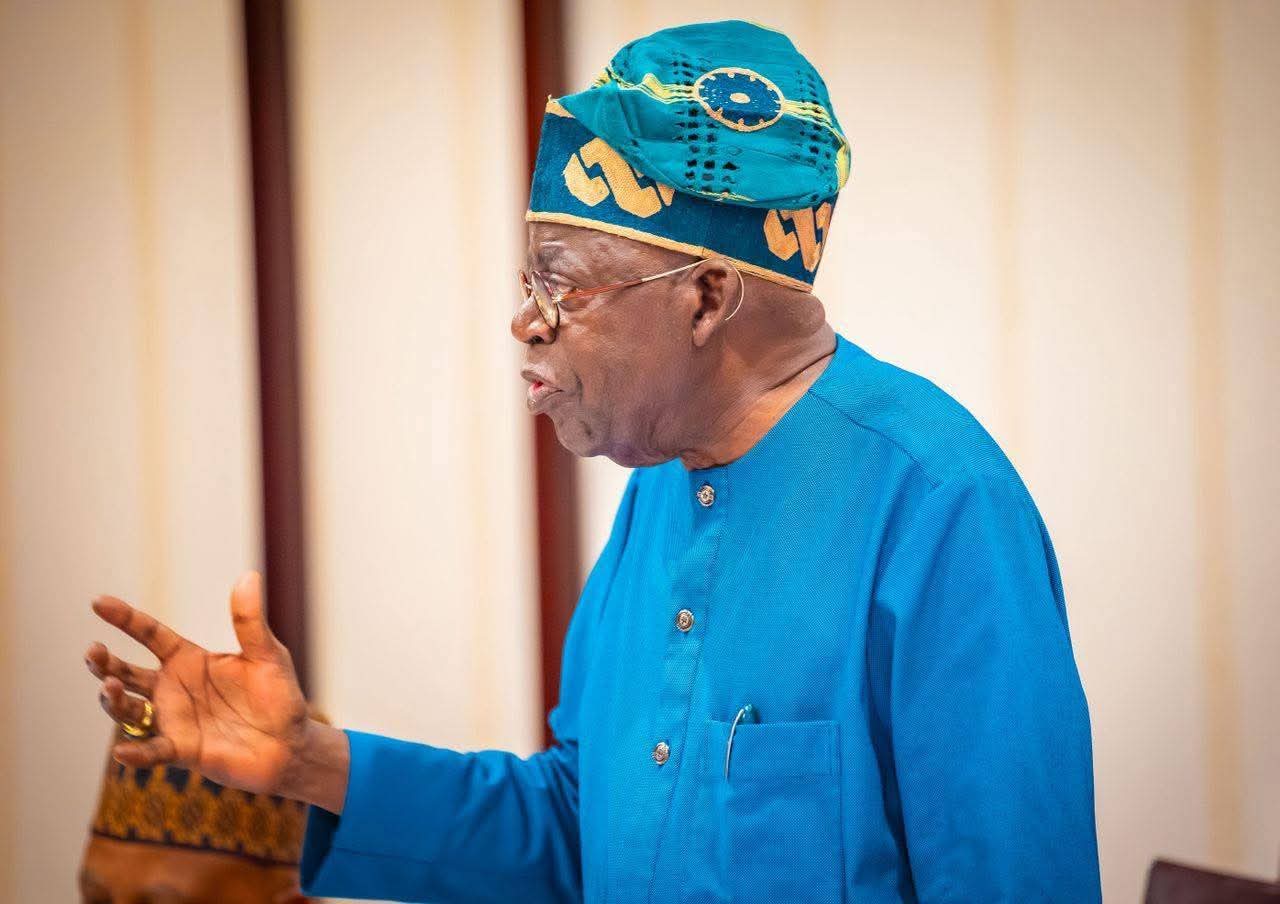
Few allegations strike at the heart of public confidence as profoundly as claims that a non-existent government agency operated for years under the guise of official authority. Whether every allegation currently before the court is ultimately substantiated or not, the issues raised by the case involving the alleged Presidential Foreign Intervention Promotion Council demand careful national reflection.
At the centre of the controversy are two conflicting narratives. On one hand, the Presidency maintains that no such agency exists, no appointment was issued, and security agencies were alerted after forged documents were allegedly discovered. On the other hand, the accused insists his appointment was genuine and that his activities were known to senior government officials.
These sharply opposing accounts raise a simple but important question: How could such conflicting versions emerge over a matter involving the Presidency itself?
The issue extends beyond the guilt or innocence of one individual. It concerns the strength of institutional safeguards within Nigeria’s public administration.
Read Also:
Fake presidential agency: Why Nigerians deserve full transparency
Why PCACC is Investigating Kano’s Former Head of Service
Political Godfatherism and the Burden on Democracy
Government institutions derive their legitimacy from order, transparency and clearly defined procedures. Public appointments follow constitutional processes, official communications are documented, and government agencies exist within legally recognised frameworks. Where uncertainty arises over these fundamental processes, public confidence inevitably comes under strain.
If the allegations prove true, then the country must confront difficult questions about administrative oversight, access control and document verification. If, however, the accused is eventually vindicated, then equal questions arise regarding institutional communication and record management.
Either outcome points to one conclusion: stronger systems are necessary.
The case also demonstrates the importance of inter-agency coordination. Ministries, departments and agencies should possess efficient mechanisms for verifying appointments, mandates and official correspondence before recognising individuals claiming to represent the Federal Government.
Digital verification systems, central appointment databases and improved institutional communication can significantly reduce opportunities for impersonation and administrative confusion.
Equally important is transparency.
Nigerians deserve timely, factual and consistent information whenever controversies of this magnitude arise. Transparency not only protects public confidence but also discourages misinformation and political speculation.
Ultimately, accountability remains indispensable.
If investigations and judicial proceedings establish that official documents were forged or government institutions were deliberately misrepresented, those responsible should face the full weight of the law, regardless of status or influence. Conversely, if any institution is found to have contributed through negligence or procedural failures, appropriate administrative reforms should follow.
Public trust is built not merely by denying allegations but by allowing independent institutions to establish the truth.
The ongoing court proceedings therefore represent more than a criminal case. They are also a test of Nigeria’s commitment to due process, institutional integrity and transparent governance.
Whatever the final judgment, the lasting lesson should be clear: public institutions must remain strong enough to prevent similar controversies from arising again.

Kano emirate dispute: CSOs urge Tinubu to prevent escalation

Let the Renewed Hope Story be Heard: Tinubu’s Appointees from the North Must Take the Message to the Grassroot

FG Announces 30-day petrol discount, gives priority to public transporters

MHWUN backs efforts to reduce zero-dose children in Kano

Kano emirate dispute: Abba, Bayero’s senior counsellor meet in Abuja
ABCOAD Unveils Journal, Bids Farewell to Provost

Nigerian Army Begins DSSC 29/2026 Recruitment, Outlines Eligibility Criteria
2027: NDC Releases Full List of Consensus Candidates in Kano

Gaya Polytechnic Opens Recruitment, Advertises 46 Academic, Non-Academic Positions