
Feature
Fake presidential agency: Why Nigerians deserve full transparency

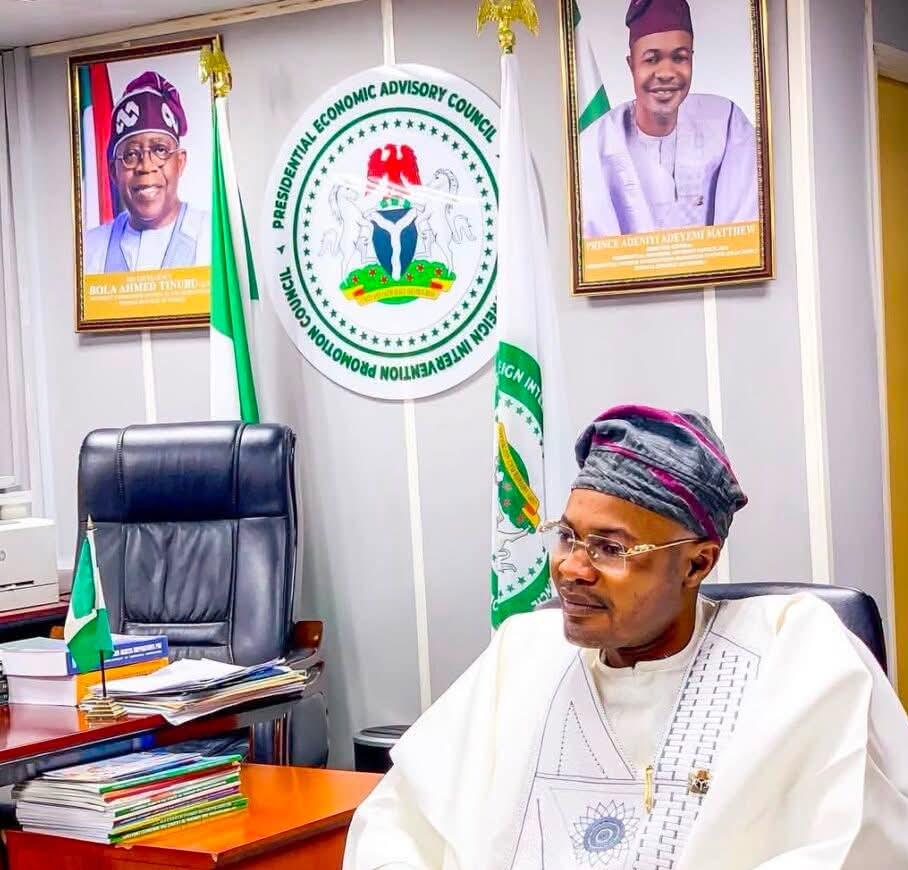
Democracy thrives where government remains accountable to the people. Whenever questions arise concerning the integrity of public institutions, transparency becomes not merely desirable but essential.
The ongoing controversy surrounding the operation of a fictitious presidential agency has generated significant public attention because it touches the highest levels of government administration.
The Presidency has categorically denied the existence of the agency and maintains that security agencies acted after forged documents allegedly surfaced. Meanwhile, the accused insists that his appointment was legitimate and has expressed confidence that the courts will vindicate him.
These competing narratives reinforce one important democratic principle: only a transparent legal process can establish the truth.
Read Also:
Why PCACC is Investigating Kano’s Former Head of Service
Public confidence depends on citizens believing that government institutions operate according to law rather than speculation.
For this reason, the ongoing judicial proceedings should receive the cooperation of every institution involved. Evidence should be presented openly before the court, witnesses allowed to testify, and judicial findings respected by all parties.
Transparency also protects innocent individuals.
Where allegations are unfounded, openness provides the opportunity for reputations to be restored. Where wrongdoing is established, transparency strengthens public confidence that justice has been served.
Nigeria’s democratic institutions have matured considerably over the years, but cases such as this remind us that institutional vigilance must never weaken.
Every appointment process should be verifiable. Every official communication should be traceable. Every government agency should be publicly identifiable through established legal frameworks.
Modern technology offers significant opportunities to strengthen these safeguards through centralised digital records, secure authentication systems and improved coordination among government institutions.
Above all, accountability must remain non-negotiable.
If the courts ultimately determine that criminal offences were committed, those responsible should face appropriate legal consequences without fear or favour. Accountability should never depend on political influence, social status or institutional position. Equally, if investigations expose weaknesses in administrative procedures, corrective reforms should be implemented to prevent future occurrences.
This approach serves both justice and democracy.
Ultimately, the issue before Nigerians is larger than one individual or one disputed appointment. It is about preserving confidence in public institutions, strengthening governance and ensuring that government operates with integrity, openness and respect for the rule of law.
The final verdict belongs to the courts. The broader responsibility belongs to every institution entrusted with safeguarding public confidence in Nigeria’s democracy.

Kano emirate dispute: CSOs urge Tinubu to prevent escalation

Let the Renewed Hope Story be Heard: Tinubu’s Appointees from the North Must Take the Message to the Grassroot

FG Announces 30-day petrol discount, gives priority to public transporters

MHWUN backs efforts to reduce zero-dose children in Kano

Kano emirate dispute: Abba, Bayero’s senior counsellor meet in Abuja

ABCOAD Unveils Journal, Bids Farewell to Provost

Nigerian Army Begins DSSC 29/2026 Recruitment, Outlines Eligibility Criteria
2027: NDC Releases Full List of Consensus Candidates in Kano

Gaya Polytechnic Opens Recruitment, Advertises 46 Academic, Non-Academic Positions