Feature
The weight of representation: Understanding Garo’s first 47 days

By Umar Idris Shuaibu, Kano
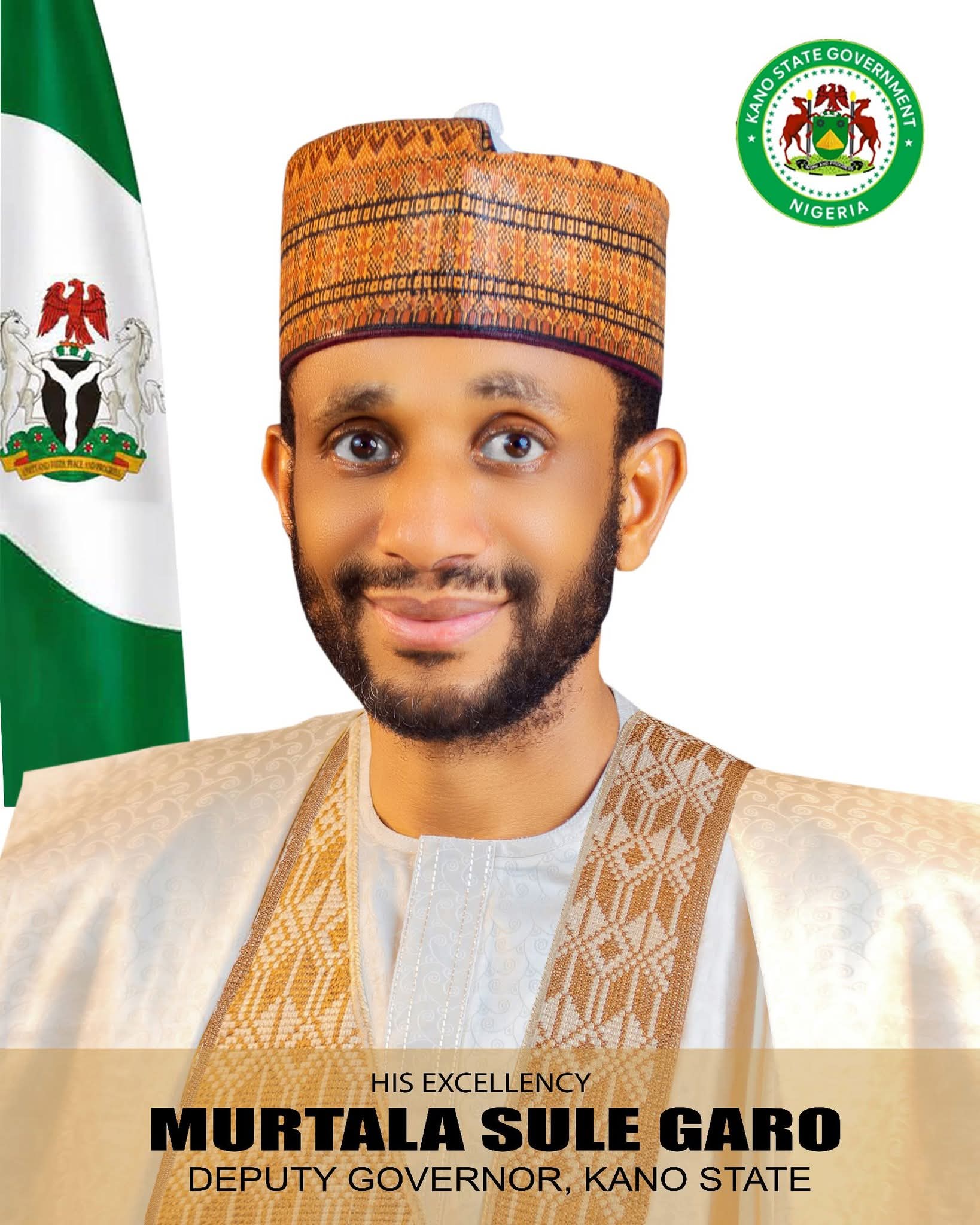
Since his inauguration as Deputy Governor of Kano State on May 5, 2026, His Excellency Murtala Sule Garo has quickly emerged as one of the most visible deputies in the country, particularly in terms of representing his principal, Governor Abba Kabir Yusuf, at official functions.
Garo was screened and confirmed by the Kano State House of Assembly on April 27, 2026, following the resignation of the former Deputy Governor, Aminu Abdussalam Gwarzo. Within just 47 days of assuming office, he has represented Governor Yusuf at about ten major state, regional, diplomatic, and institutional engagements.
While representation of governors by their deputies is a constitutional and administrative responsibility, the frequency and significance of the assignments entrusted to Garo suggest a relationship built on confidence, trust, and administrative cooperation from the onset.
Among the notable assignments was his representation of the Governor during the visit of European Union ambassadors and representatives of member states to Kano, where he presented the state’s urban development priorities and sought collaboration in education, agriculture, climate resilience, and digital transformation.
Read Also:
Ganduje family celebrates granddaughter’s graduation in Abuja
What Garo’s early role says about Kano’s power dynamics
Kano: Why Garo’s first 47 days as deputy governor matter
He also represented Kano at the North-West Governors’ Forum Policy Dialogue on Peace, Security and Development Framework, attended the commissioning of strategic infrastructure projects, commissioned the 500-bed Mother and Child Hospital at Hasiya Bayero Paediatric Hospital, represented the Governor during Democracy Day activities, inspected ongoing road projects, attended security-related meetings with traditional rulers, and served as Guest of Honour at the graduation ceremony of the Nigerian Navy Logistics College in Dawakin Tofa.
Beyond the number of assignments, the quality of engagements entrusted to the Deputy Governor is what has attracted attention among political observers. Most of the events involved governance, diplomacy, security, healthcare, infrastructure, regional cooperation, and strategic policy matters.
A comparative review of activities across selected states suggests that while many deputy governors represented their principals occasionally during the same period, few recorded the frequency and breadth of assignments witnessed in Kano.
This reality is not necessarily a measure of performance among deputy governors across the country. Rather, it provides insight into the evolving working relationship between Governor Yusuf and Deputy Governor Garo.
In many states, deputy governors often struggle to secure meaningful official responsibilities beyond ceremonial functions. Kano, however, appears to be charting a different course, with Garo playing an active role in representing the state government at critical engagements.
For political analysts, the trend reflects an administration seeking cohesion at the highest level of government. It also underscores Governor Yusuf’s apparent confidence in his deputy’s ability to communicate government policies, engage stakeholders, and represent the administration effectively.
Although still early in the tenure, Garo’s first 47 days in office have offered a glimpse into a partnership that appears grounded in mutual trust, cooperation, and shared responsibility.
As the administration progresses, many will be watching to see whether this early momentum translates into a sustained working relationship capable of advancing Kano’s development agenda and strengthening governance outcomes across the state.

Tinubu’s Kaduna Campaign Eve: Dan’agundi leads thousands of supporters to governor Uba Sani in Massive show of solidarity

Gwarzo’s exclusion: NDC races against time as INEC deadline nears

2027: Mariya Bunkure takes key women affairs role in Kano APC campaign

2027: Kano Governor Names Former Education Commissioner Kiru Campaign Spokesperson II

Sa’adatu Rimi College of Education Hosts NCCE Training as Experts Push Practical Agricultural Education
ABCOAD Unveils Journal, Bids Farewell to Provost

Nigerian Army Begins DSSC 29/2026 Recruitment, Outlines Eligibility Criteria
2027: NDC Releases Full List of Consensus Candidates in Kano

Gaya Polytechnic Opens Recruitment, Advertises 46 Academic, Non-Academic Positions