National
NEC approves N83.2bn flood intervention fund, Shettima calls for improved agricultural exports


The National Economic Council (NEC) has approved the release of N83.2 billion for interventions under the Anticipatory Action Task Force (AATF) aimed at mitigating the impact of anticipated flooding and other climate-related emergencies across Nigeria.
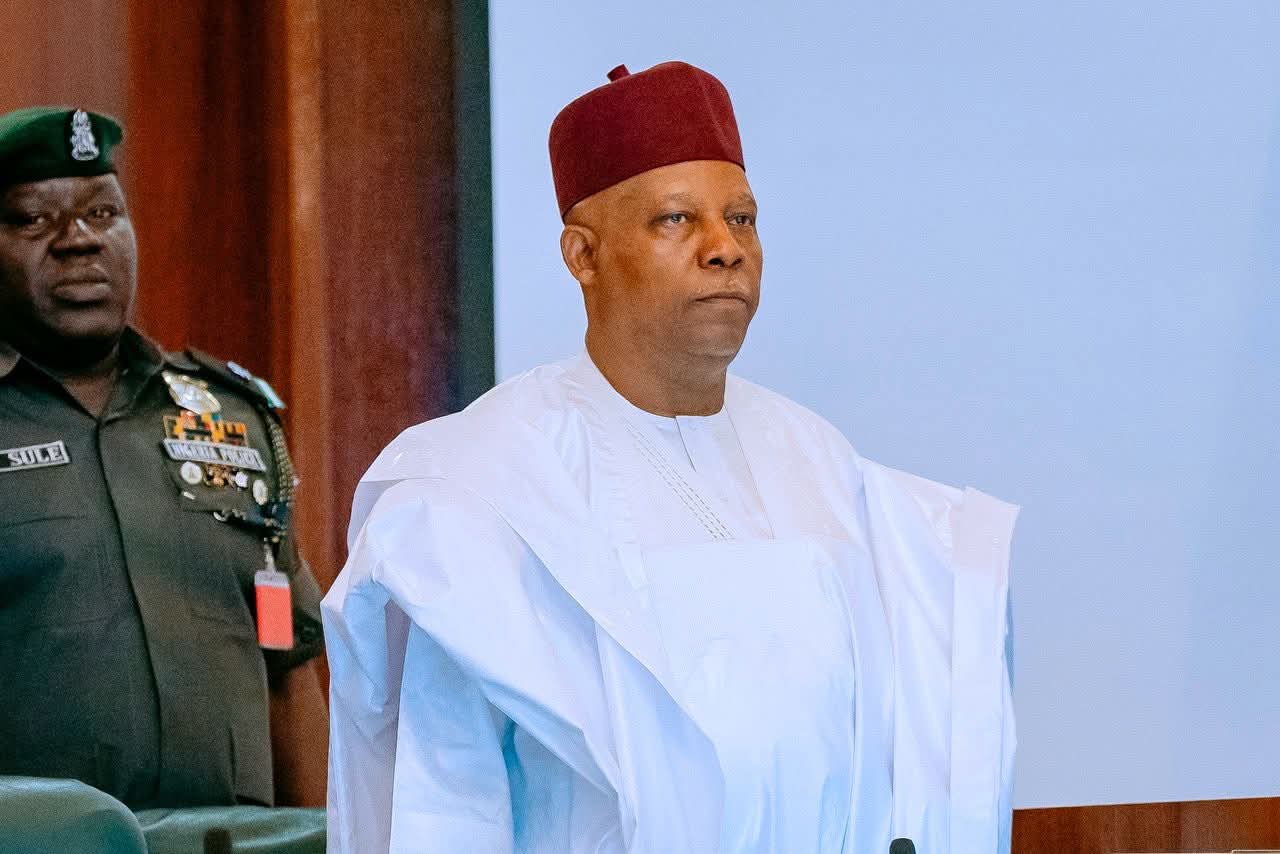
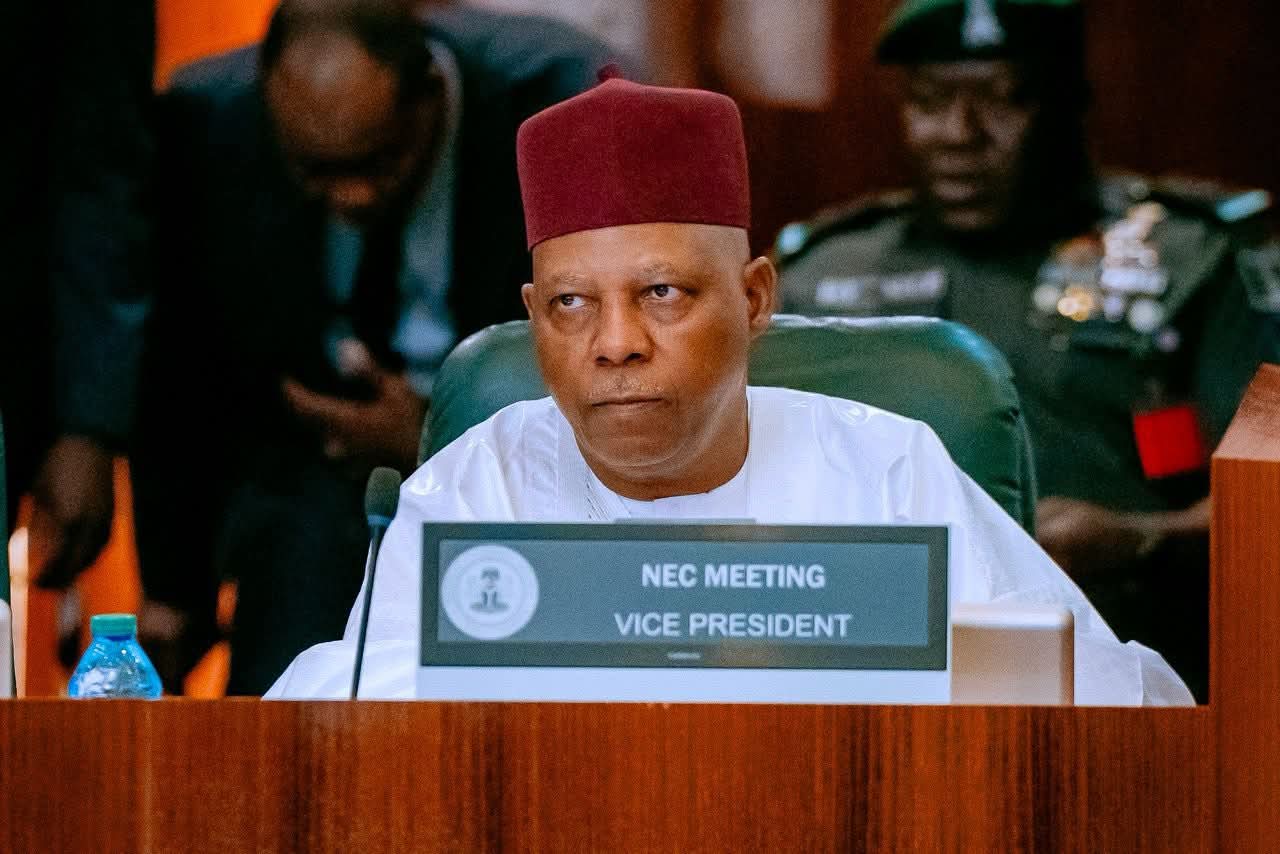
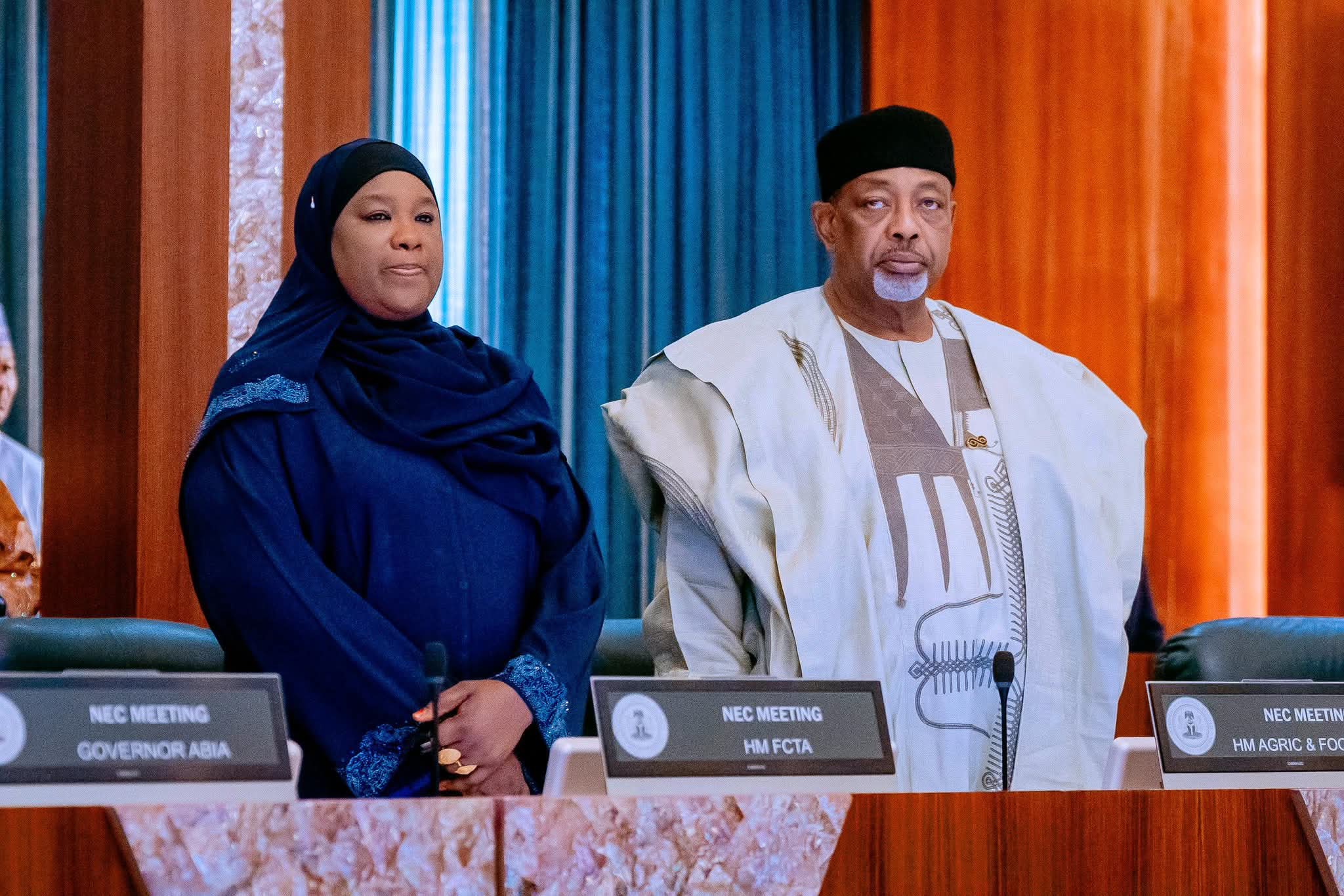
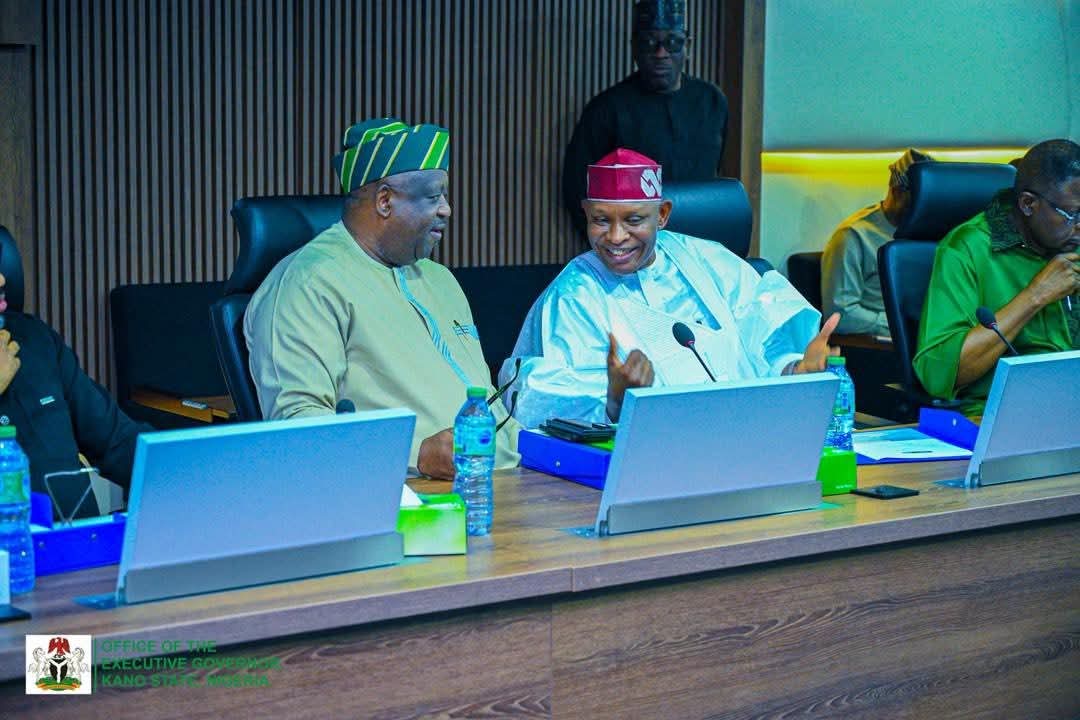
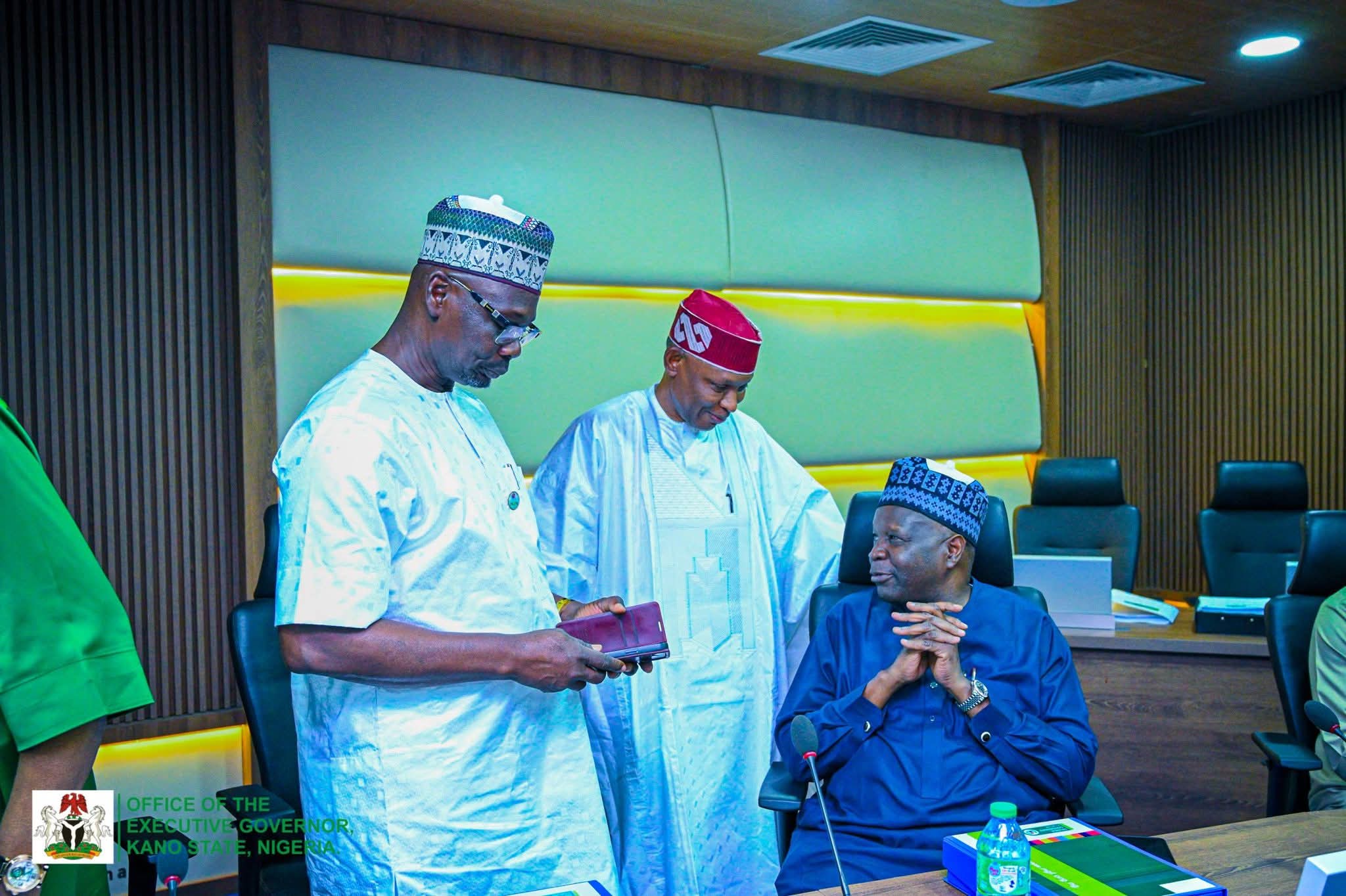
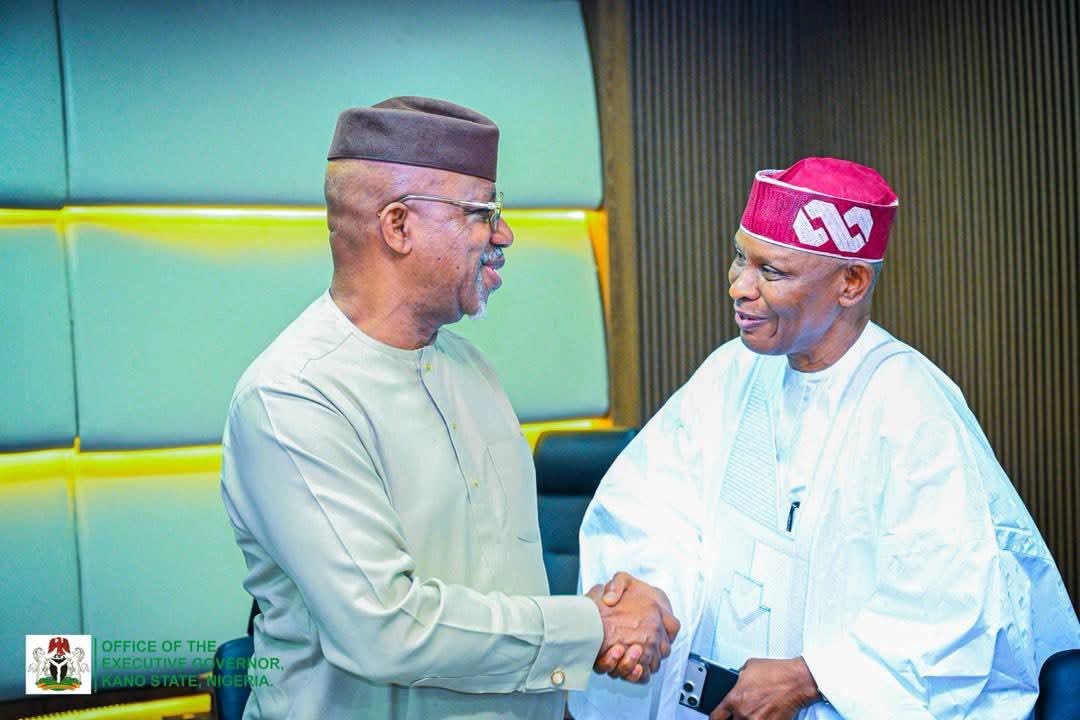
The approval was granted during the 158th meeting of the Council held on Thursday and chaired by Vice President Kashim Shettima. The development followed a presentation by the Minister of State for Budget and Economic Planning, Senator Atiku Bagudu, who highlighted the need for proactive measures to address recurring flooding and related disasters, particularly during the rainy season.
According to a statement signed by the Senior Special Assistant to the President on Media and Communications, Office of the Vice President, Stanley Nkwocha, the Council emphasized the importance of adopting preventive measures rather than reacting to emergencies after they occur.
NEC noted that the Anticipatory Action Task Force would play a critical role in disaster preparedness and emergency response, stressing that government institutions must move beyond reactionary approaches to disaster management.
Read Also:
Defence Headquarters to Establish Large-Scale Livestock Enterprise in Plateau
Associate Professor Amina Ganduje’s Quiet March into Nigeria’s Intellectual Elite
Murtala Garo Hails Nigerian Navy Logistics College at Graduation Ceremony in Kano
Speaking during the meeting, Vice President Shettima said the administration of President Bola Ahmed Tinubu is committed to ensuring that ongoing economic reforms translate into tangible benefits for Nigerians.
He stated that government policies and programmes must ultimately improve the lives of ordinary citizens, including farmers, manufacturers, vulnerable groups, unemployed youths and future generations.
“When this Council last met, I called our economy a workshop. A place of measurement and correction. A place where plans are turned into systems, and systems into institutions, before any of it becomes prosperity,” the Vice President said.
“A workshop is judged by one thing—not by the plans pinned to its walls, but by what comes off the bench. We return to that bench today not to admire the image, but to ask the question that honours it: Is the work taking shape?”
Shettima observed that Nigeria is gradually transitioning from economic stabilization to productive growth, stressing that the focus must now shift from aspirations to implementation and measurable outcomes.
He further noted that social protection remains central to the administration’s agenda, describing it as a means of translating national compassion into practical systems that safeguard vulnerable citizens and strengthen human capital development.
The Vice President also called on state governments to work closely with the Federal Government in addressing logistical and regulatory challenges hindering the export of Nigerian agricultural products.
According to him, Nigeria cannot achieve sustainable economic growth by continuing to export raw materials while importing finished products.
“We cannot continue to export raw materials and import finished prosperity,” he stated.
He explained that the country’s economic transformation depends on developing an integrated value chain that connects farms to factories, factories to standards, standards to ports, and ports to international markets.
Shettima assured that the Federal Government would continue addressing bottlenecks affecting agricultural exports, particularly challenges relating to port operations and compliance with international quality standards.
“A nation that cannot move its goods has imprisoned its own farmers. Meeting international standards is not submission to foreign demand; it is the price of the markets that will reward our labour,” he added.
The Vice President maintained that improving export processes would not only reward farmers and manufacturers but also enhance Nigeria’s competitiveness in the global marketplace.
The N83.2 billion intervention fund is expected to support anticipatory measures designed to reduce the devastating effects of flooding and climate-related disasters, protect livelihoods, and strengthen resilience in vulnerable communities across the country.
Photo News:

Kano Civil Service: Govt moves to address manpower gaps through recruitment
2027: Ganduje and APC heavyweights prepare for a defining political contest

Insecurity: Gunmen kill Islamic cleric, visitor in Dutsin-Ma

Every Kano State Lawmaker Should Support Governor Abba Kabir Yusuf, Regardless of Party Affiliation – Dr. Baffa Babba Dan’agundi

Nigeria records no cases after patient’s evacuation to Switzerland – WHO
ABCOAD Unveils Journal, Bids Farewell to Provost

Nigerian Army Begins DSSC 29/2026 Recruitment, Outlines Eligibility Criteria
2027: NDC Releases Full List of Consensus Candidates in Kano

Gaya Polytechnic Opens Recruitment, Advertises 46 Academic, Non-Academic Positions