
Humanitarian
Kano, Katsina, Jigawa Record High Child Poverty Rates — UNICEF

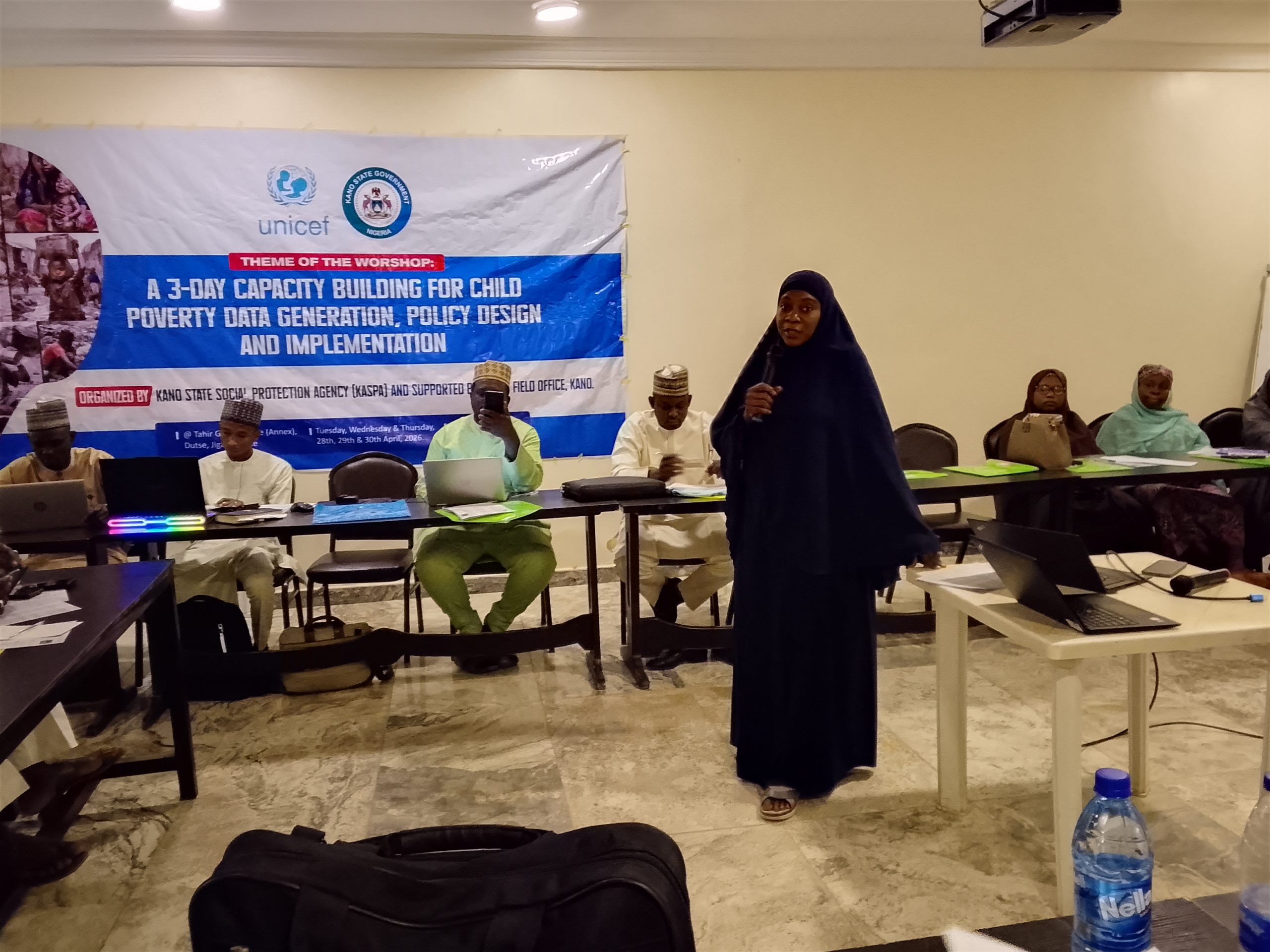
A Social Protection Specialist with UNICEF Kano Field Office, Fatimah Musa, has called for urgent, data-driven interventions to address the rising level of child poverty in northern Nigeria.
She made the call during a three-day capacity-building workshop on child poverty data generation, policy design, and implementation held in Dutse, Jigawa State. The training was organised by the Kano State Social Protection Agency with support from UNICEF Kano Field Office.
Presenting on the theme Understanding Poverty and Investment in Social Protection, Musa emphasised the need for robust and reliable data systems to guide policies aimed at improving the welfare of children. She specifically urged the Kano State Bureau of Statistics to strengthen data collection mechanisms to ensure that interventions reach children across all communities.
According to her, the United Nations Convention on the Rights of the Child defines a child as any person under the age of 18 and guarantees fundamental rights, including survival, development, protection, and other cross-cutting rights essential for human dignity.
Read Also:
Nigeria Records Over 2 Million Zero-Dose Children, Ranks Among Highest Globally — Save the Children
UNICEF Raises Alarm Over Child Poverty as States Push Social Protection Reforms
KASPA Implements Free Healthcare Programme for Vulnerable Kano Residents
She explained that child poverty goes beyond income deprivation, noting that children who lack access to nutrition, shelter, healthcare, and education are already considered poor. “Poverty includes hunger, malnutrition, and absence of basic needs,” she stated.
Citing recent statistics, Musa revealed that monetary child poverty stands at 47.6 per cent nationally, compared to 59.5 per cent in Kano, 61.2 per cent in Katsina, and a staggering 89.4 per cent in Jigawa.
She further noted that the Multidimensional Poverty Index 2022 shows even more alarming figures, with 67.5 per cent nationally, 69.2 per cent in Kano, 75.2 per cent in Katsina, and 85.6 per cent in Jigawa, reflecting widespread deprivation across critical sectors such as health, education, sanitation, and housing.
Musa stressed that investing in children is critical for national development, as it boosts productivity, strengthens human capital, and promotes peace, security, and good governance.
She outlined key strategies for reducing child poverty, including child-sensitive social protection systems, increased budgetary commitment, tackling social stigma and discrimination, integrating child-focused policies into national frameworks, and promoting pro-poor economic policies.
She also highlighted “game changers” such as expanding social protection coverage, adopting inclusive and shock-responsive systems, and introducing universal child benefits through government-supported cash transfers.
Musa reiterated the need for governments to rely on accurate data in designing policies that will improve the quality of life for children, noting that such measures would enable them to become self-reliant and productive members of society.

Sa’adatu Rimi College Examines Teacher Education Reforms, Digital Integration

Meet Aminu Baba: Creative professional empowering businesses through digital skills

Nigerian Navy recruitment: See requirements, application deadline

The Tinubu Health Reset: A Consultant Examines Nigeria’s Healthcare Reforms

Aminu Bayero’s Admirers, Sanusi’s Hawan Sallar Gani and Kano’s Royal Divide
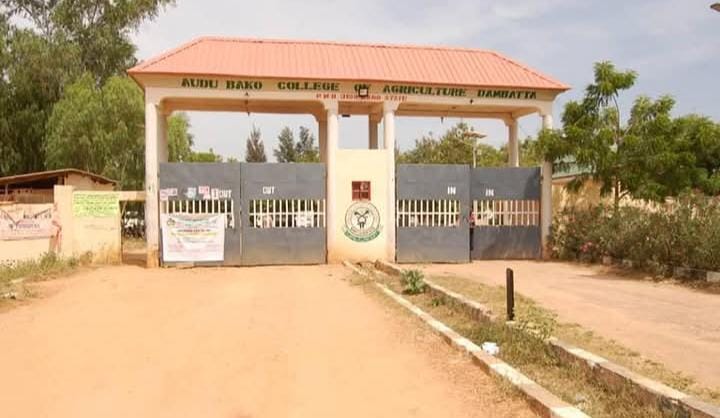
ABCOAD Unveils Journal, Bids Farewell to Provost

Nigerian Army Begins DSSC 29/2026 Recruitment, Outlines Eligibility Criteria

2027: NDC Releases Full List of Consensus Candidates in Kano

Gaya Polytechnic Opens Recruitment, Advertises 46 Academic, Non-Academic Positions




Umar Shuaibu Haruna
April 28, 2026 at 10:55 am
The best news media we trust