
Humanitarian
No girl should miss school over menstruation – Katsina Gov’s wife


By Abbas Bamalli
The wife of Katsina State Governor, Zulaihat Radda, said no girl should miss school due to menstruation, intensifying efforts to promote hygiene and girls’ education across the state in the region.
Radda spoke during distribution of sanitary pads to schoolgirls under the Renewed Hope Initiative led by First Lady, Sen. Remi Tinubu, in Katsina on Tuesday as part of major outreach programme.
She said the programme targeted challenges faced by schoolgirls, especially in rural communities, who often skipped classes due to lack of access to sanitary products and basic hygiene education support services.
Radda described the situation as unacceptable, stressing menstruation should never be a barrier to education or personal dignity for any girl in the state at any time or under any circumstances.
She urged society to ensure no girl missed classes because of menstruation, adding every girl deserved a safe and supportive learning environment to thrive and achieve her full potential without fear.
Read Also:
Kano CoP Trained on Immunisation Advocacy, Seeks Funding to Tackle Zero-Dose Children
Usman Bala Eyes Kano Central Senate Seat, Leverages Decades of Experience
Inuwa Waya Advocates Support for Governor Yusuf, Urges Leaders to Invest in Youth Development
“Under the initiative, about 10,000 schoolgirls will receive a year’s supply of disposable sanitary pads as part of a nationwide intervention targeting 370,000 beneficiaries nationwide to improve menstrual health outcomes overall.”
She said the programme aimed to provide hygiene products while restoring confidence among young girls and eliminating stigma often associated with menstruation in communities through awareness campaigns and stakeholder engagement efforts.
Radda called on local authorities to ensure effective distribution of items, urging community leaders and stakeholders to support and monitor the process for transparency and accountability across benefiting schools and communities.
She appealed to corporate organisations and well-meaning Nigerians to partner government in expanding the initiative’s reach and sustaining support for girls’ education statewide in underserved rural and hard to reach areas.
Health Commissioner Musa Adamu-Funtua, described the initiative as timely and important for improving hygiene practices and overall well-being of young girls across the state while promoting public health outcomes for future.
(NAN)

Nigeria records no cases after patient’s evacuation to Switzerland – WHO

Kano Assembly Clears Six Commissioner Nominees for Executive Council

Kogi Police investigate as two officers die in fatal shooting at Ajaokuta

EFCC opens recruitment for graduates, ND holders, SSCE candidates

Kano Poly MFB: A bank closed, an investigation launched, but where are the answers?
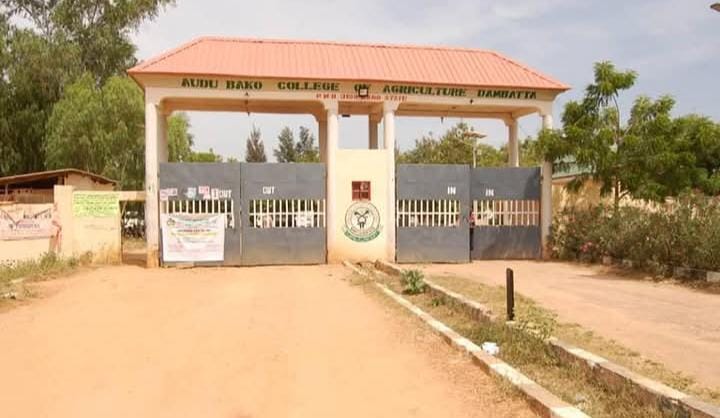
ABCOAD Unveils Journal, Bids Farewell to Provost

Nigerian Army Begins DSSC 29/2026 Recruitment, Outlines Eligibility Criteria

2027: NDC Releases Full List of Consensus Candidates in Kano

Gaya Polytechnic Opens Recruitment, Advertises 46 Academic, Non-Academic Positions