Feature
Kano in Tight Corner as Deputy Governor Nomination Sparks Divisions

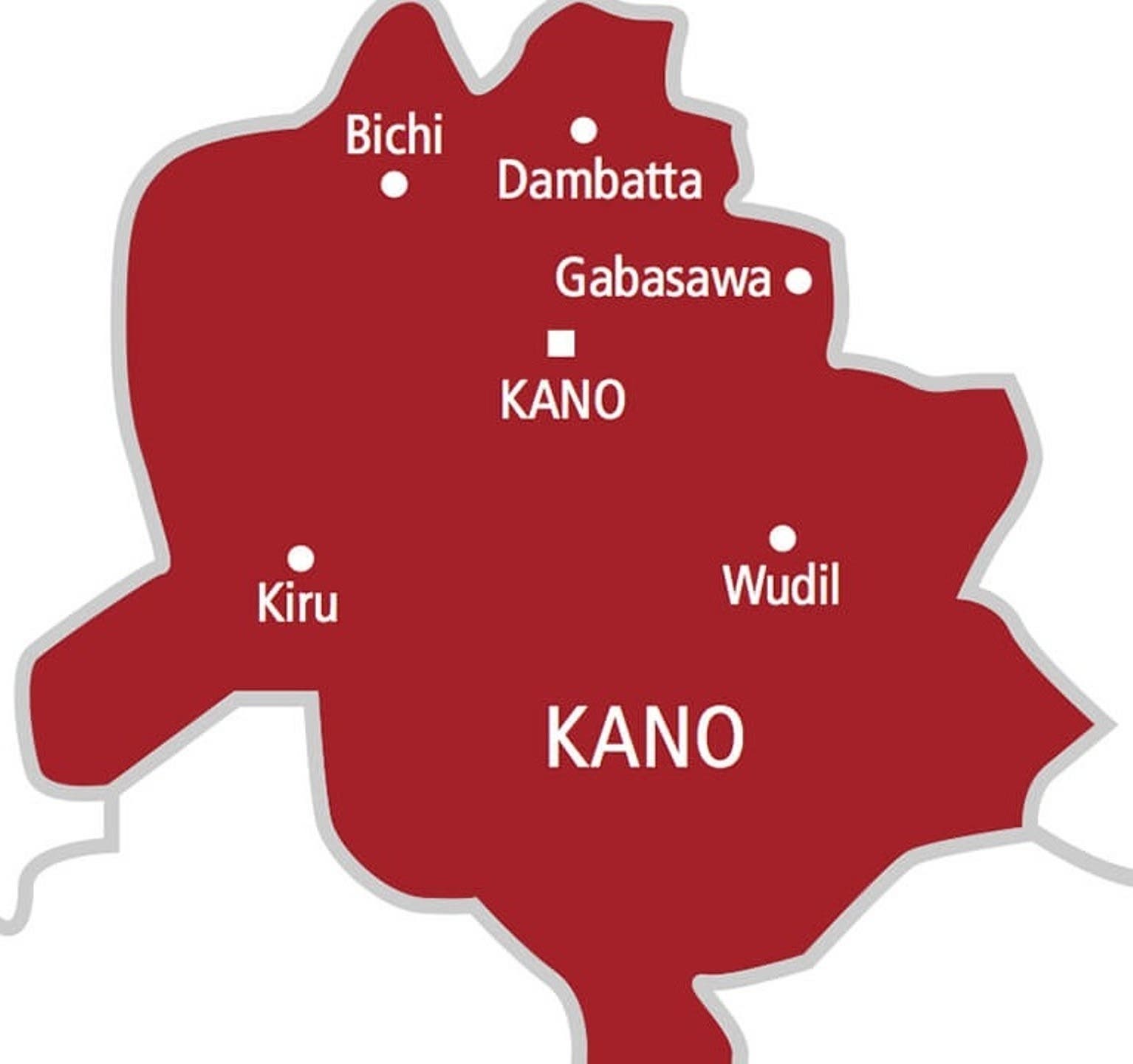
The political atmosphere in Kano State has grown increasingly tense as Governor Abba Kabir Yusuf faces mounting pressure over the selection of a new deputy governor, a decision now shaping power alignments ahead of the 2027 general elections.
What began as a routine political process has evolved into a high-stakes contest involving competing interests within the All Progressives Congress (APC), with party leaders, regional blocs, and influential stakeholders all seeking to shape the final outcome.
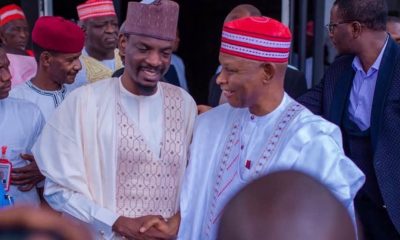
The situation intensified following the governor’s recent visit to Abuja, where he met with the immediate past National Chairman of the APC and Chairperson of the Board of the Federal Airports Authority of Nigeria (FAAN), Dr. Abdullahi Umar Ganduje. The meeting, according to insiders, was aimed at consolidating political alliances and aligning strategies ahead of crucial decisions.
At the centre of the unfolding contest is the reported endorsement of former Commissioner for Local Government, Murtala Sule Garo, by key power blocs, including figures within the Presidency. However, this move has sparked resistance from influential actors across Kano North and Kano South, who are pushing for a broader selection process rather than a single-candidate imposition.
Read Also:
CITAD Distributes School Materials to Nomadic Pupils in Kano, Urges Increased Govt Intervention
APC Stakeholders Endorse Yusuf Buhari for House of Reps Seat in Katsina
Why Gobirawa’s Centuries-Old Agrarian Life is at Risk in Kano
Prominent political figures, including Barau Jibrin and Suleiman Abdulrahman Kawu Sumaila, are said to favour a shortlist approach, reflecting concerns over regional balance and inclusivity in power sharing.
The debate has also drawn in other stakeholders, with alternative names such as Salisu Sagir Takai, Kabiru Lakwaya, Ahmed Garba Bichi, and Kabiru Rurum being floated across different camps, further complicating the decision-making process.
Beyond the political calculations, questions have been raised about Garo’s suitability, with critics pointing to ongoing legal challenges and concerns over his perceived influence base. Some argue that his political strength is overstated, attributing his support largely to his previous position as Commissioner for Local Government under Ganduje, a role that placed him at the centre of grassroots financial structures.
According to this view, much of the loyalty he commands may be transactional rather than institutional, raising doubts about his ability to independently mobilise electoral support.
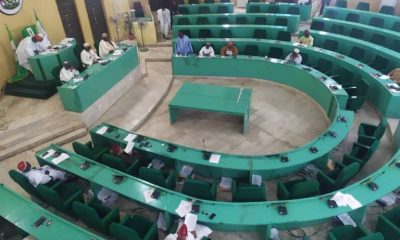
The contest has also reignited broader debates about the role of deputy governors in Nigeria’s political system. Many observers describe the office as largely ceremonial, often limited by the authority of the governor, with responsibilities that can be significantly curtailed depending on political dynamics.
Analysts argue that while the position is constitutionally important, its practical influence is often shaped by the governor’s discretion, making the choice of occupant as much a political calculation as an administrative one.
Amid the competing pressures, Governor Yusuf is said to be weighing multiple options, including previous understandings with key allies within the State Assembly. However, these arrangements are reportedly facing new challenges as external influences and internal party dynamics continue to evolve.
There are also indications of growing involvement from the Presidency, with reports suggesting that Bola Ahmed Tinubu has taken interest in the process, further raising the stakes and intensifying pressure on the governor to arrive at a consensus candidate.
For many observers, the unfolding scenario highlights the complex interplay between local politics, party structures, and national influence, all converging on a single decision that could shape Kano’s political trajectory.
What governors and other political heavyweights must recognise is that the choice of a deputy governor is no longer merely an administrative necessity, but a strategic decision with far-reaching implications for political stability and electoral success.
With 2027 on the horizon, Governor Yusuf faces what may be one of the most defining decisions of his political career that could determine not only the balance of power within the state but also his prospects for re-election.

Tinubu’s Kaduna Campaign Eve: Dan’agundi leads thousands of supporters to governor Uba Sani in Massive show of solidarity

Gwarzo’s exclusion: NDC races against time as INEC deadline nears

2027: Mariya Bunkure takes key women affairs role in Kano APC campaign

2027: Kano Governor Names Former Education Commissioner Kiru Campaign Spokesperson II

Sa’adatu Rimi College of Education Hosts NCCE Training as Experts Push Practical Agricultural Education
ABCOAD Unveils Journal, Bids Farewell to Provost

Nigerian Army Begins DSSC 29/2026 Recruitment, Outlines Eligibility Criteria
2027: NDC Releases Full List of Consensus Candidates in Kano

Gaya Polytechnic Opens Recruitment, Advertises 46 Academic, Non-Academic Positions