Kaduna
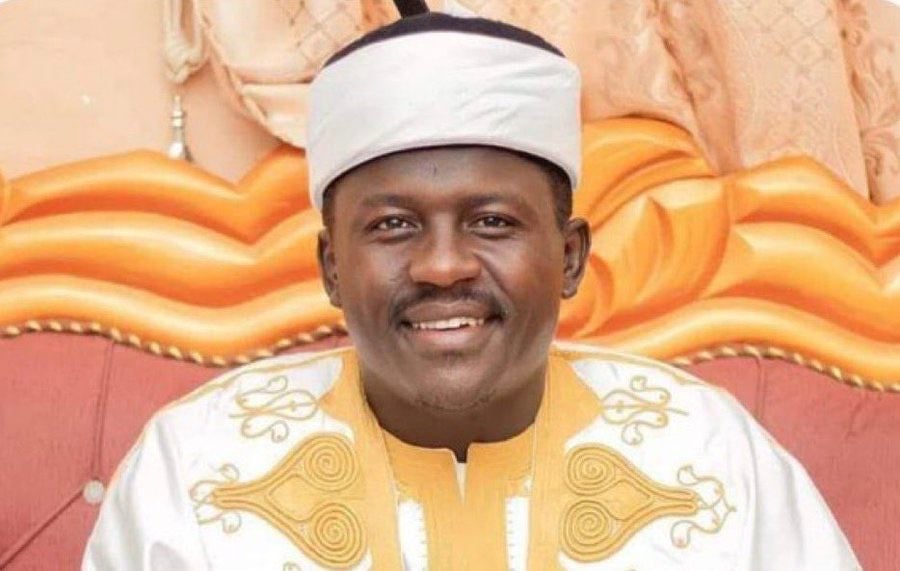
Who is Sheikh Alkali Zaria? Inside the life of the outspoken northern cleric

By Umar Idris Shuaibu
Sheikh Alkali Abubakar Salihu Zaria is an Islamic scholar whose public lectures and Ramadan Tafsir sessions have made him a prominent voice in religious discourse in northern Nigeria. Known for his direct commentary on insecurity, governance and social issues, he has attracted public attention both for his preaching and for controversies surrounding his approach to addressing political leaders.
In March 2026, the cleric made national headlines after the leadership of Jama’atu Izalatil Bid’ah Wa Iqamatis Sunnah (JIBWIS) suspended him from continuing his Ramadan Tafsir sessions at Mokas Mosque in Damaturu, Yobe State, following sermons criticising political leaders over insecurity.
The incident brought renewed attention to a scholar whose public engagements extend beyond conventional religious instruction to questions of leadership, security, family life and social responsibility.
Early life and Islamic education
Born on January 1, 1980, in Tudun Wada, Zaria, Kaduna State, Sheikh Alkali comes from a family with a tradition of Islamic scholarship.
His father, the late Alaramma Malam Umar Salihu Zaria, was his first teacher in Islamic sciences and played an important role in his early religious education.
His educational background includes Kulliyati Dirasatil Islamiya Al Aliya, Zaria; Sheikh Abubakar Mahmud Gumi College of Higher Islamic Studies; and Ahmadu Bello University, Zaria (ABU), where he obtained a Bachelor of Arts degree in Islamic Studies. He also studied at the International University of Africa (IUA), in Khartoum, Sudan.
Read Also:
Beyond the classroom: Celebrating 56 years of Prof. Mukhtar Atiku Kurawa’s impact
Before the “settler” label: How Fulani communities took root in southern Kaduna
Why The Sun will honour Ganduje with lifetime achievement award
Kidnapped Nigerians Now Left to Die in Captivity as Poverty Deepens – Islamic Cleric
Beyond formal education, he studied under several Islamic scholars in northern Nigeria, including Malam Aminu Adam Nepu, Malam Mai Bala’i Gyallesu and Malam Shu’aibu Salihu Zaria.
His studies included Fiqh, or Islamic jurisprudence, and Nahwu, the Arabic grammatical tradition. These areas of learning form part of the scholarly foundation behind his religious lectures and public engagements.
A preacher who addresses public affairs
Sheikh Alkali has become known for addressing issues that extend beyond religious observance to include insecurity, governance and the responsibilities of political leaders.
His March 2026 Ramadan sermons in Damaturu focused partly on banditry, kidnapping and the suffering of affected communities. During one sermon, he said that governors feared President Bola Ahmed Tinubu more than they feared Allah, criticising what he portrayed as political deference amid worsening insecurity.
JIBWIS subsequently withdrew his assignment to continue the Tafsir sessions. According to published reports, the organisation cited concerns about his preaching method and the language used against public officials.
Following the decision, Sheikh Alkali urged his followers to remain calm and said he accepted the action. Newspapers also reported that he expressed regret over the comments that led to his suspension and accepted the disciplinary measure in good faith.
The episode highlighted the debate over how religious organisations balance internal preaching guidelines with the role of clerics in speaking about public problems.
Public disputes and religious commentary
Sheikh Alkali’s outspoken style has also featured in public exchanges involving religious authority and social media commentary.
He has reportedly criticised social media commentator Dan Bello over what he considered disrespect towards senior clerics, including Sheikh Bala Lau. He has also used his platforms to respond to religious arguments and interpretations associated with other local scholars, including Sheikh Musa Lukuwa.
These exchanges have contributed to his visibility in online discussions about religious leadership, public conduct and the interpretation of Islamic teachings.
As with other public disputes, the claims and counterclaims surrounding such exchanges need to be considered in their specific contexts, with the views of each participant distinguished from independently established facts.
Views on family and social life
Family structure and social values are other subjects on which Sheikh Alkali has expressed strong views.
He has publicly advocated polygamy within the framework of Islamic teachings, explaining his position in terms of religious injunctions and family life.
His commentary on marriage and household responsibilities forms part of his wider engagement with contemporary social questions affecting Muslim communities.
Community engagement
Beyond preaching and public debate, Sheikh Alkali has reportedly participated in community-oriented activities addressing social challenges, including drug abuse among young people.
His reported engagement with the National Drug Law Enforcement Agency (NDLEA) involved efforts to raise awareness about substance abuse among northern Nigerian youth.
He has also publicly commended the Yobe State Police Command for its community-related efforts, reflecting another aspect of his engagement with institutions working on public safety.
These activities provide a broader picture of a cleric whose public profile encompasses religious instruction, social commentary and community engagement.
A scholar in contemporary northern Nigeria
Sheikh Alkali Abubakar Salihu Zaria’s public profile reflects the growing visibility of religious scholars in conversations about northern Nigeria’s social and political challenges.
Through sermons, Ramadan Tafsir sessions, public lectures and online engagements, he has addressed subjects ranging from Islamic jurisprudence and family life to insecurity and political accountability.
The controversies surrounding his preaching and media appearances have also highlighted the differing expectations placed on religious leaders by their organisations, followers and the wider public.
His story therefore extends beyond individual controversies to a broader discussion about religious authority, public engagement and the responsibilities of scholars in a society grappling with insecurity and other social challenges.

FG Announces 30-day petrol discount, gives priority to public transporters

MHWUN backs efforts to reduce zero-dose children in Kano

Kano emirate dispute: Abba, Bayero’s senior counsellor meet in Abuja

Gaya Poly gets permanent site C of O, moves closer to full take-off

Horse ride: Kano CP commends emir Bayero for respecting security directives
ABCOAD Unveils Journal, Bids Farewell to Provost

Nigerian Army Begins DSSC 29/2026 Recruitment, Outlines Eligibility Criteria
2027: NDC Releases Full List of Consensus Candidates in Kano

Gaya Polytechnic Opens Recruitment, Advertises 46 Academic, Non-Academic Positions