
Kano
Irregular migration: Aremu says job creation can reduce youth exodus


A legal practitioner and migration facilitator, Adeniyi Aremu, has urged Nigerian leaders to prioritise job creation and youth empowerment as part of efforts to reduce the pressures driving young people towards irregular migration.
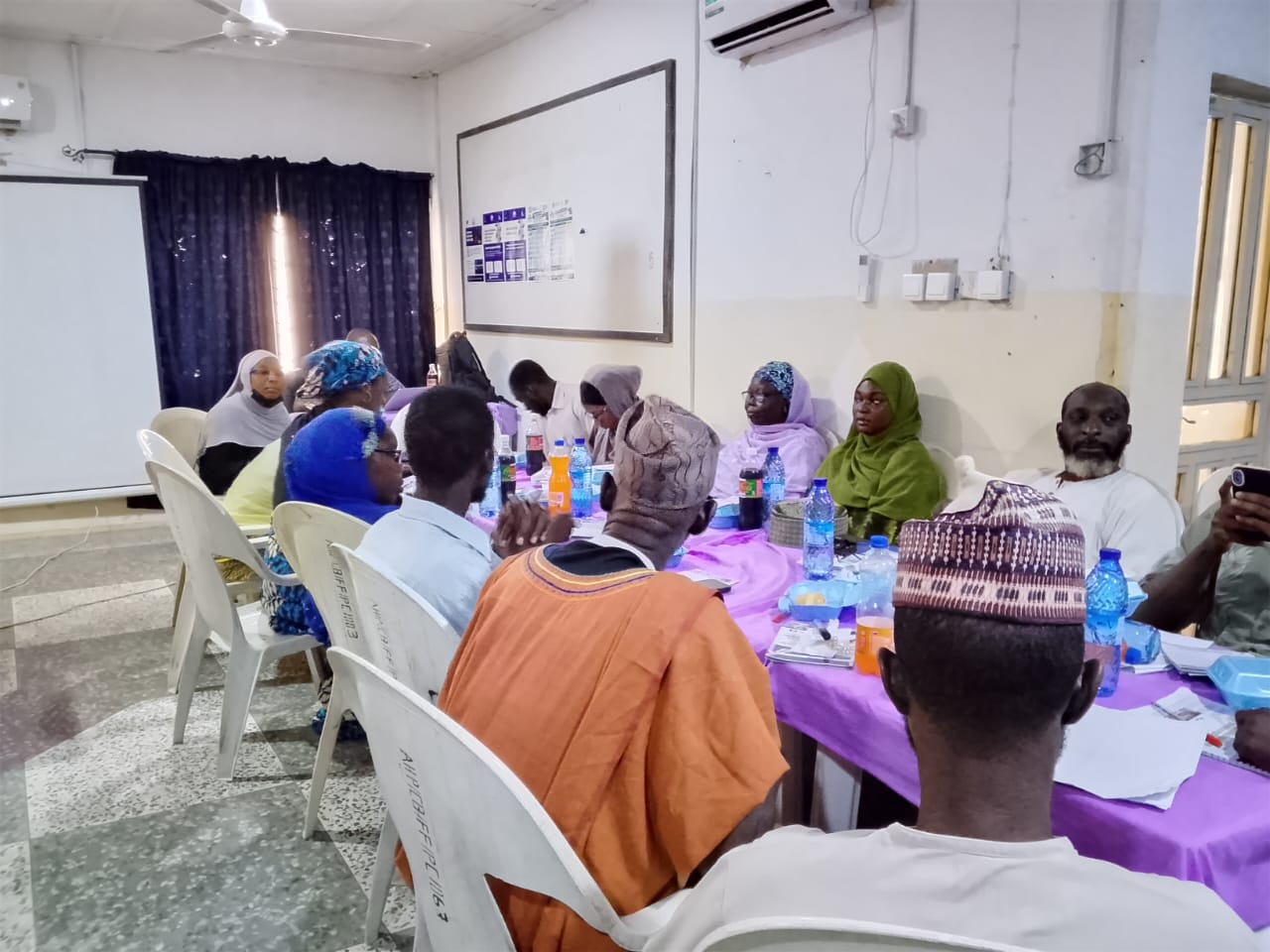
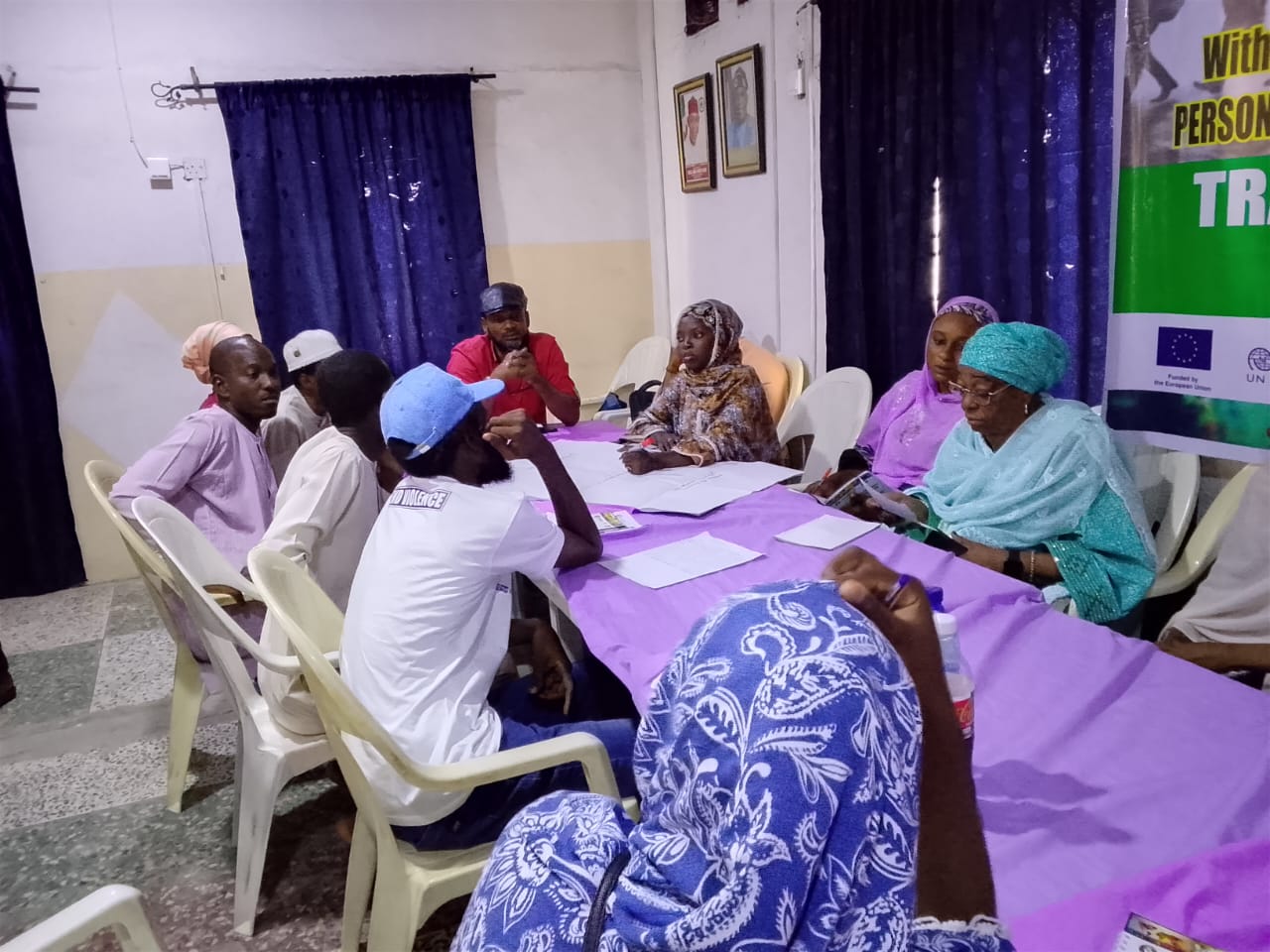
Aremu made the call on Thursday in Kano while speaking at a three-day stakeholder training on regional migration, regional integration and climate-resilient livelihoods, where he identified unemployment and underemployment among factors contributing to youth migration.
He said addressing the economic conditions that influence young people’s decisions to leave the country should form a key part of efforts to tackle irregular migration, alongside public sensitisation on the risks associated with unsafe migration routes.
Aremu also called on policymakers to create opportunities that would enable young Nigerians to build sustainable livelihoods at home, stressing the importance of investing in job creation and youth empowerment.
Read Also:
AHIP trains stakeholders on risks of irregular migration
He identified human trafficking, sexual abuse, kidnapping, violence, loss of property and death among the risks associated with irregular migration routes.
The facilitator urged journalists, civil society organisations, community leaders and other stakeholders to intensify sensitisation efforts and provide communities with accurate information on the dangers of irregular migration.
He also explained that the term “irregular migration” is preferred to “illegal migration”, noting that freedom of movement is recognised under international conventions, treaties and protocols, subject to restrictions provided by law.
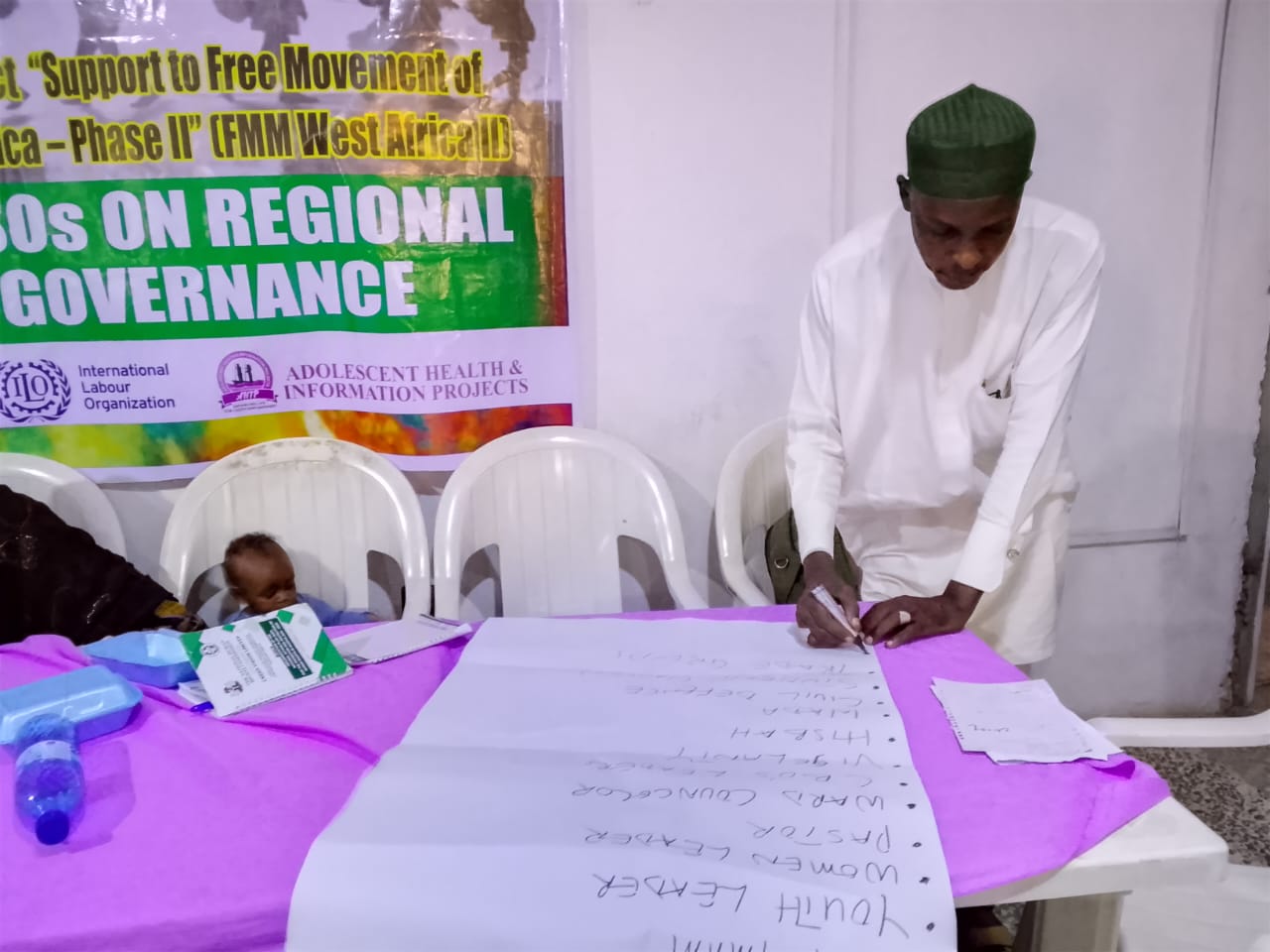
The training, organised by the Adolescent Health and Information Projects (AHIP), is being held under the Resilient Opportunities for Outreach, Trade & Sustainability (ROOTS) project, part of Phase II of the Support to Free Movement of Persons and Migration in West Africa (FMM West Africa II) programme.
The three-day training, which began on September 30 and ends October 2, 2026, is bringing together about 50 participants from Dala, Ungoggo and Bunkure Local Government Areas to build their understanding of migration governance, ECOWAS free movement protocols, legal migration pathways and sustainable livelihoods.
The initiative is supported by the European Union and the International Organization for Migration (IOM), in collaboration with ECOWAS, and focuses on factors influencing human mobility, including climate change, gender disparities and economic vulnerabilities.
Kaduna attack: Man killed, nine abducted as bandits invade three houses

EXCLUSIVE: Gov. Abba, Rurum, Dan’agundi hold two-hour closed-door meeting as Sanusi defies Kano horse-riding ban

Diphtheria: Ungoggo teams reach children across communities

El-Rufai: Court orders day-to-day trial after rejecting recusal bid

Irregular migration: Aremu says job creation can reduce youth exodus
ABCOAD Unveils Journal, Bids Farewell to Provost
Nigerian Army Begins DSSC 29/2026 Recruitment, Outlines Eligibility Criteria
2027: NDC Releases Full List of Consensus Candidates in Kano

Gaya Polytechnic Opens Recruitment, Advertises 46 Academic, Non-Academic Positions