Kano
AHIP trains stakeholders on risks of irregular migration

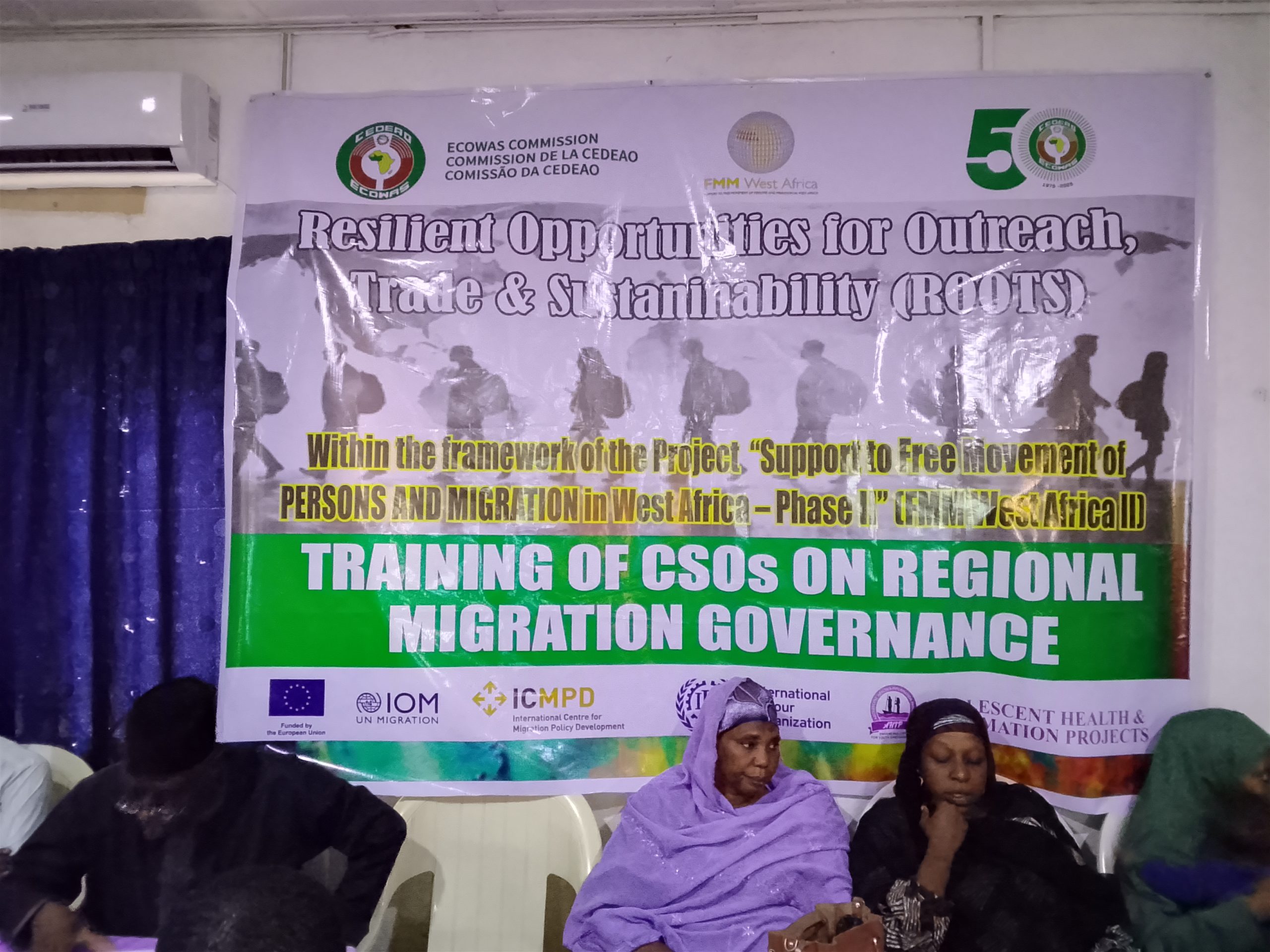
The African Health Improvement Project (AHIP) has urged young Nigerians to shun irregular migration and embrace safe, lawful travel and sustainable livelihood opportunities, warning of the risks of exploitation, detention, deportation and loss of life associated with undocumented journeys.
The call was made during a capacity-building training for Civil Society Organisations (CSOs), youth and women groups, teachers, community leaders and other stakeholders under the Resilient Opportunities for Outreach, Trade and Sustainability (ROOTS) programme, which focuses on migration governance, safe migration and economic empowerment.
The training was organised under the “Support to Free Movement of Persons and Migration in West Africa – Phase II (FMM West Africa II)” initiative, European Union, International Organization for Migration (IOM), International Centre for Migration Policy Development (ICMPD), International Labour Organization (ILO) and other partners.
Speaking at the training, the Chief Executive Officer of AHIP, Dr Mairo Bello, said there was a need to equip young people and other stakeholders with accurate information about migration, particularly the risks associated with travelling without proper documentation.
Read Also:
Before the “settler” label: How Fulani communities took root in southern Kaduna
Katsina takes governance to 361 wards with community development programme
Kano raises concern over delayed release of approved funds as 2026 nears end
“We have invited various stakeholders to provide them with knowledge regarding migration governance, hazards, and the dangers of irregular migration,” Bello said.
She said many young people embark on journeys without proper documentation or adequate knowledge of their destinations and the conditions they may encounter abroad.
According to her, undocumented migrants often face difficulties accessing formal employment, opening bank accounts, moving freely and seeking legal protection, while also being exposed to arrest, detention and deportation.
Bello also cautioned against the financial burden associated with irregular migration, noting that some young people sell properties or commit substantial resources to finance risky journeys abroad.
She encouraged young people to consider investing such resources in businesses and other productive ventures within Nigeria.
“Money does not grow on trees abroad. The same hard work and dedication required to survive overseas can yield success right here at home if given the focus and patience needed,” she said.
Also speaking, the Programme Manager of the ROOTS programme, Halima Kasim Usman, said the initiative adopts a multi-stakeholder approach to addressing migration and economic empowerment.
Usman said the programme targets Civil Society Organisations, Community-Based Organisations, youth and women groups, teachers, community leaders and media practitioners, among others.
She explained that the media was particularly important because of its influence in shaping public understanding of migration and related issues.
Usman said the programme promotes safe, regular and legal migration while educating communities about the risks of irregular journeys, including exploitation by fraudulent agents, dangerous desert crossings, detention, trauma and loss of life.
She urged prospective migrants to understand the legal requirements of their destination countries, obtain the necessary documentation and comply with relevant immigration laws.
According to her, the programme also focuses on the reintegration of returnees and deportees by encouraging traditional, religious and community leaders to support their reintegration rather than stigmatise them.
She said more than 200 returnees had so far received training and empowerment in areas including agribusiness, value addition and financial literacy.
Usman said beneficiaries were being supported to process and market locally produced agricultural products, creating opportunities for sustainable livelihoods within their communities.
“If you must migrate, migrate lawfully and safely. You only have one life. Find out the right way to travel, secure the necessary documentation, and learn what is legally allowed in your destination before you go,” she said.
A classroom teacher, Hussaina Abdussalam Imam, who participated in the training, said the programme had improved her understanding of irregular migration and its consequences.
“I’ll not even advise somebody to travel. Instead, let anyone look for any gainful business or employment within the country to do. Even if it is necessary to move, it is better to move through lawful means,” Imam said.

FG declares Thursday public holiday

AHIP trains stakeholders on risks of irregular migration

PCACC arrests suspect over sale of Kano Govt horse stable

Katsina takes governance to 361 wards with community development programme

Pantami wins fresh PDP governorship primary in Gombe

ABCOAD Unveils Journal, Bids Farewell to Provost

Nigerian Army Begins DSSC 29/2026 Recruitment, Outlines Eligibility Criteria

2027: NDC Releases Full List of Consensus Candidates in Kano

Gaya Polytechnic Opens Recruitment, Advertises 46 Academic, Non-Academic Positions