National
Why every northerner wants to be a politician – Saror

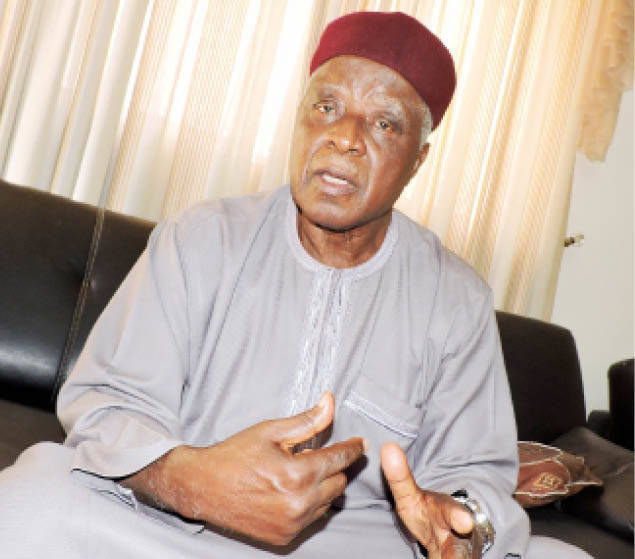
The shortage of private-sector employment opportunities in northern Nigeria is fuelling a strong attraction to politics, with young and old increasingly seeking political positions, former Vice-Chancellor of Ahmadu Bello University (ABU), Prof. Daniel Iyorkegh Saror, has said.
Saror made the observation while speaking on Reminiscences, a Trust TV programme, where he argued that the lack of industries and businesses capable of employing the region’s growing population was contributing to the intense interest in politics.
“So everybody wants to be a politician, young and old,” the former senator said.
He said government remained a dominant source of employment in many parts of the North, while private industries capable of absorbing the region’s large population remained scarce.
Saror illustrated the situation with the road between Sokoto and Adamawa, saying there were few companies and industrial activities along the route despite the size of the population.
“If you go from Sokoto to Adamawa by road you will not find companies along the way; yet we have the population,” he said.
Read Also:
How three former ministers lost out in Northeast APC governorship primaries
Ganduje Links Rising Begging in North to Poor Support for Disabled Persons
Kano introduces life skills, home farming programme for secondary school students
He contrasted the situation with the Lagos-Ogun axis, where he said industries had created opportunities for people to work and earn a living.
“Drive between Lagos and Ogun State and see the industries. I mean that people are engaged,” Saror said.
The former ABU vice-chancellor also questioned the employment situation in his home state, Benue.
“Here in Benue State, where are the places of employment? We have only government,” he said.
Saror argued that the North could not rely on government alone to provide jobs, stressing the need for greater private-sector investment in productive areas such as agriculture, education, healthcare and manufacturing.
He also linked the employment challenge to the investment decisions of wealthy northerners, saying many make substantial fortunes outside the region without investing enough at home to create businesses and jobs.
“Even rich northerners are not investing in the North. They are making good money, but it is in the South. They are not providing employment here,” he said.
According to Saror, the region’s large population could become an economic advantage if its human and material resources were channelled into productive activities.
He also identified ethnic and religious considerations as factors that could hinder development when they overshadow competence and contribution.
“You don’t see people based on what they are and what they can contribute; it is what they worship and tribe. That’s why the North is where it is underdeveloped,” he said.
Saror further expressed concern over banditry in parts of the North-West, saying insecurity had made rural life increasingly difficult and undermined economic activities.
He said reversing the trend would require collective action by governments, businesses and individuals with the resources to invest in the region.
“We need to do something. We need to be our brothers’ keepers,” Saror said.

Why every northerner wants to be a politician – Saror

Gaya Polytechnic gets 8 vehicles as 2026 take-off nears

Ganduje: When political influence outlives political office

Mariya Bunkure Joins African Leaders at Global Business Initiative

Former Kogi Governor Ibrahim Idris Dies at 77
ABCOAD Unveils Journal, Bids Farewell to Provost

Nigerian Army Begins DSSC 29/2026 Recruitment, Outlines Eligibility Criteria

2027: NDC Releases Full List of Consensus Candidates in Kano

Gaya Polytechnic Opens Recruitment, Advertises 46 Academic, Non-Academic Positions