Kano
“Be Alive to Report, Not Become the Story,” NUJ Trustee Warns Journalists Ahead of 2027 Polls

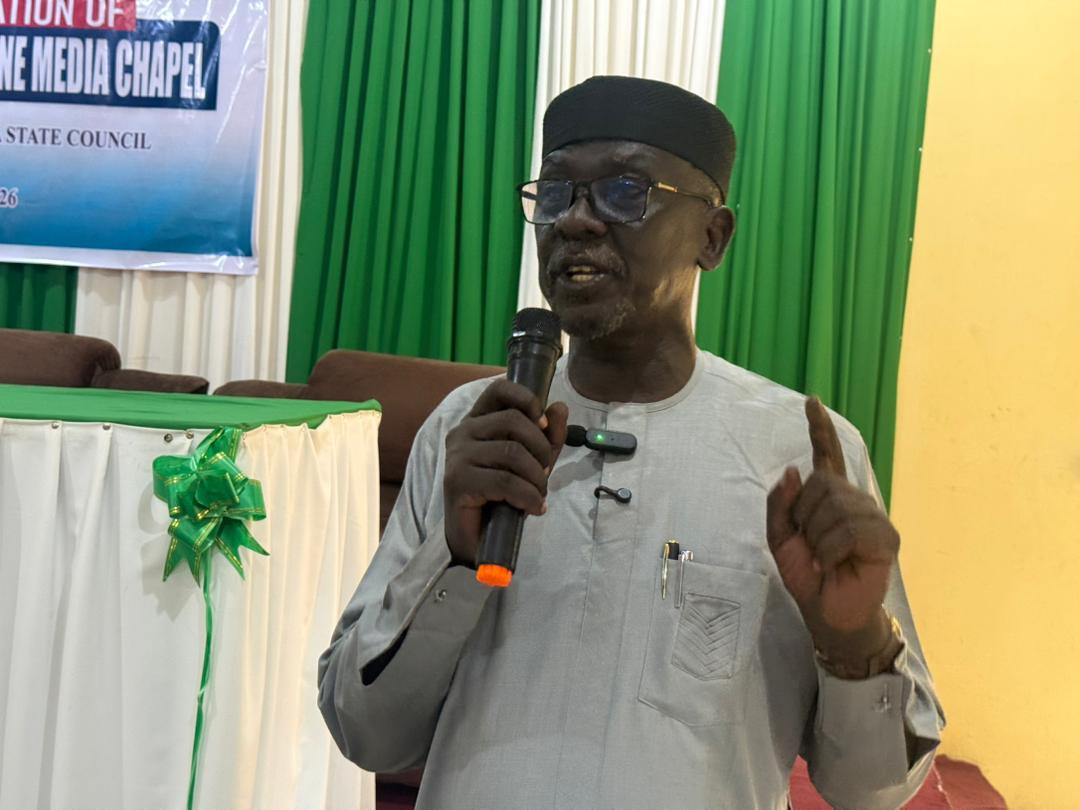
Journalists covering Nigeria’s 2027 general elections have been urged to prioritise their personal safety while upholding the highest standards of ethical and responsible reporting, with a reminder that no story is worth the loss of a reporter’s life.
The National Trustee, Zone A of the Nigeria Union of Journalists (NUJ), Comrade Abbas Ibrahim, gave the charge while presenting a paper titled “Ethical, Responsible and Safe Election Reporting: Building Towards the 2027 Elections” at a one-day capacity-building workshop organised by the Kano Online Media Chapel of the NUJ at the NUJ Press Centre, Kano.
Speaking on the role of the media in strengthening democracy, Abbas said journalists remain critical stakeholders in the electoral process by providing credible information, holding political actors accountable and monitoring elections.
He, however, warned that election periods often expose journalists to violence, intimidation, harassment and other security threats, making it imperative for media professionals to adopt strict safety measures before, during and after every assignment.
Read Also:
Kano Online Media Chapel Trains Journalists on Ethical Election Reporting Ahead of 2027 Polls
Drawing from his decades of experience in journalism, including his tenure as Chairman of the NUJ Kano State Council, Abbas recalled several dangerous encounters during previous elections where journalists narrowly escaped death while carrying out their constitutional responsibility.
“You must be alive to report; otherwise, you will become the subject of the report if you are not safety conscious,” he said.
He explained that ethical election reporting is built on the principles of accuracy, fairness, balance, independence, impartiality and accountability, urging journalists to resist political pressure, financial inducements and any form of influence capable of compromising professional standards.
Abbas stressed that election-related claims, photographs, videos and social media content should always be independently verified before publication to prevent the spread of misinformation and disinformation.
He also cautioned journalists against announcing unofficial election results or publishing rumours capable of undermining public confidence in the electoral process.
The veteran journalist further advised media practitioners to avoid sensational headlines, inflammatory language, hate speech and reports capable of inciting violence or deepening political, ethnic and religious divisions.
According to him, campaign coverage should focus on issues, policies and programmes rather than personalities, while ensuring fairness by giving all political parties and candidates the opportunity to respond to allegations or criticisms.
On journalists’ safety, Abbas urged reporters to conduct risk assessments before embarking on election assignments, monitor the security situation in their areas of coverage, identify safe routes and emergency exits, and maintain regular communication with their editors and colleagues.
He also encouraged journalists to carry valid identification cards, fully charged mobile phones, emergency contacts and power banks, while avoiding violent crowds, political confrontations and unnecessary arguments with security personnel or political supporters.
Abbas further called on media organisations to strengthen the safety of their personnel by providing regular safety training, clear editorial guidelines, protective equipment where necessary and effective emergency response mechanisms for journalists deployed to election flashpoints.
He maintained that protecting journalists is essential to safeguarding press freedom and ensuring the public continues to receive credible, timely and accurate information throughout the electoral process.
As preparations for the 2027 general elections gather momentum, Abbas urged journalists across the country to remain professional, uphold ethical standards and always remember that no exclusive story is worth a human life.
“Be alive to report, not become the story,” he emphasised.

Kano SEMA donates cows, foodstuff to 13 rehabilitation centres
APC clinches Dawakin Kudu Assembly seat in by-election
Bandits demand N30m ransom for six Zamfara Imams

The AI Race: Can Humanity Agree Before it Loses Control?

2027: INEC to apply lessons from bye-elections
ABCOAD Unveils Journal, Bids Farewell to Provost

Nigerian Army Begins DSSC 29/2026 Recruitment, Outlines Eligibility Criteria

2027: NDC Releases Full List of Consensus Candidates in Kano

Gaya Polytechnic Opens Recruitment, Advertises 46 Academic, Non-Academic Positions