Kano
Abbas Uba Saraki Builds Orphanage, Mosque in Kachako, Sets New Standard in Community Service

By Umar Algamawy Takai
In a region where access to basic social infrastructure remains a pressing challenge, a House of Representatives aspirant for Takai/Sumaila Federal Constituency, Abbas Uba Saraki, is drawing attention for what many describe as a remarkable act of personal philanthropy.
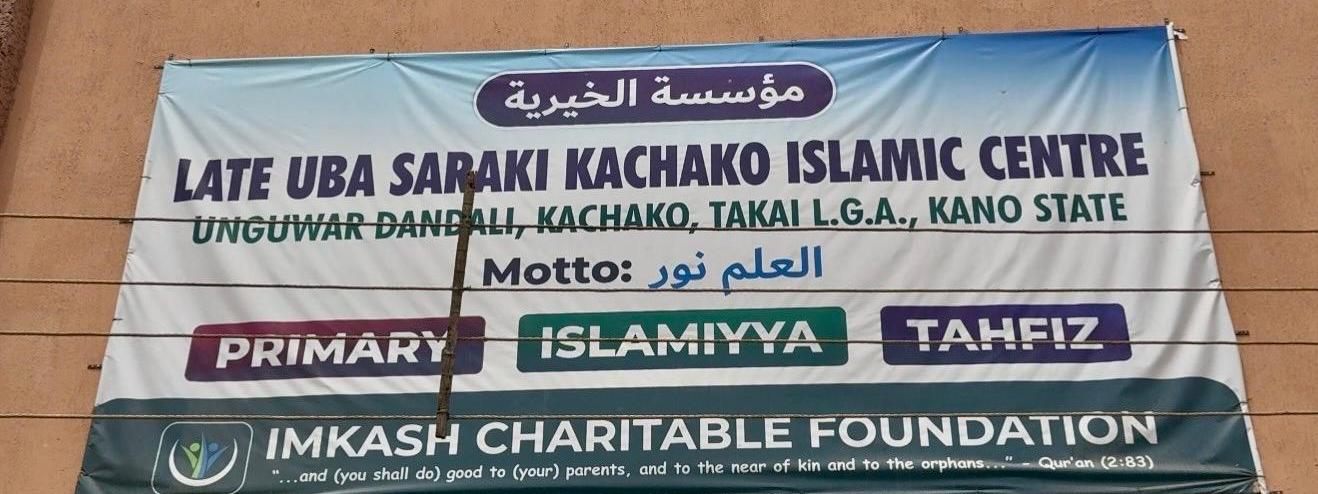
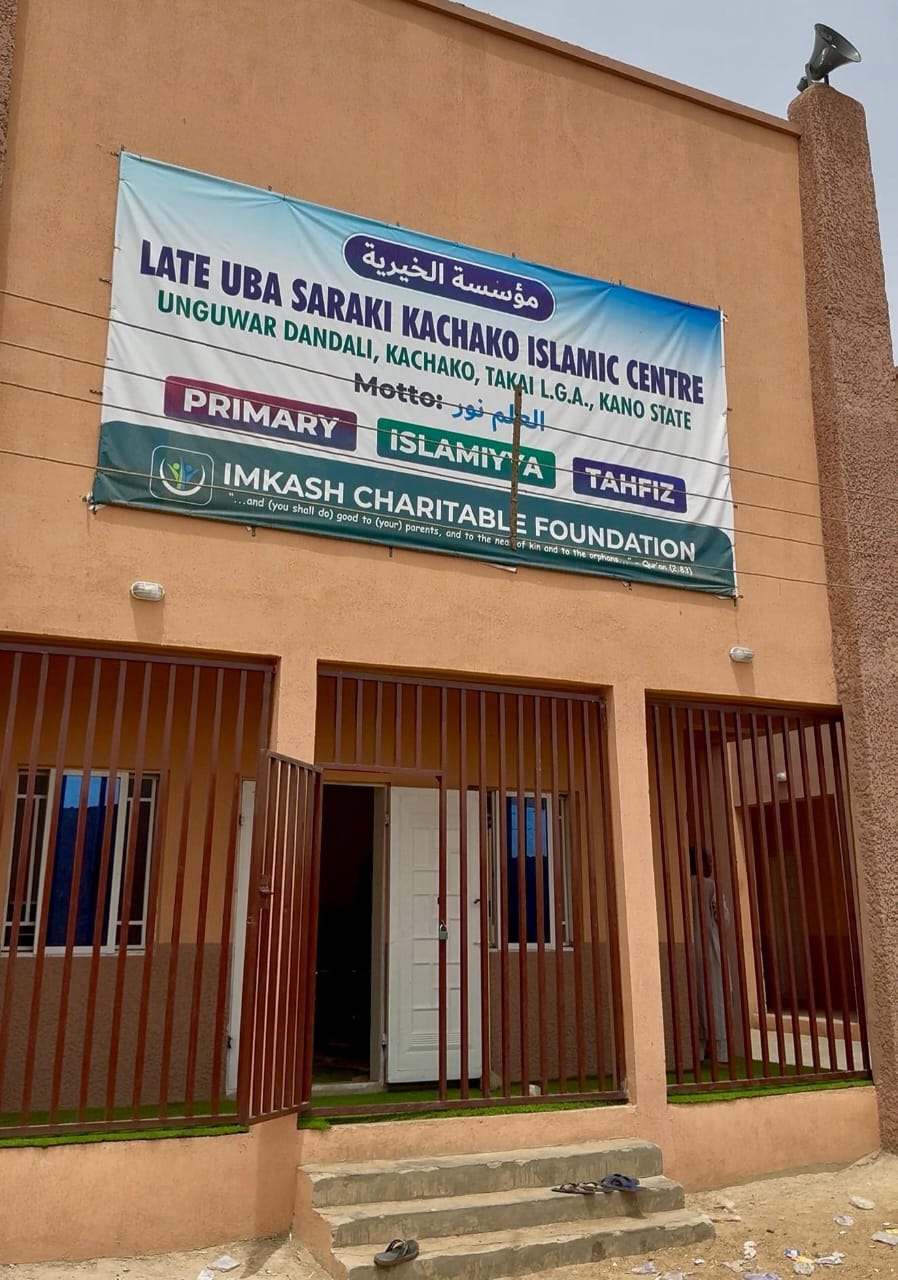
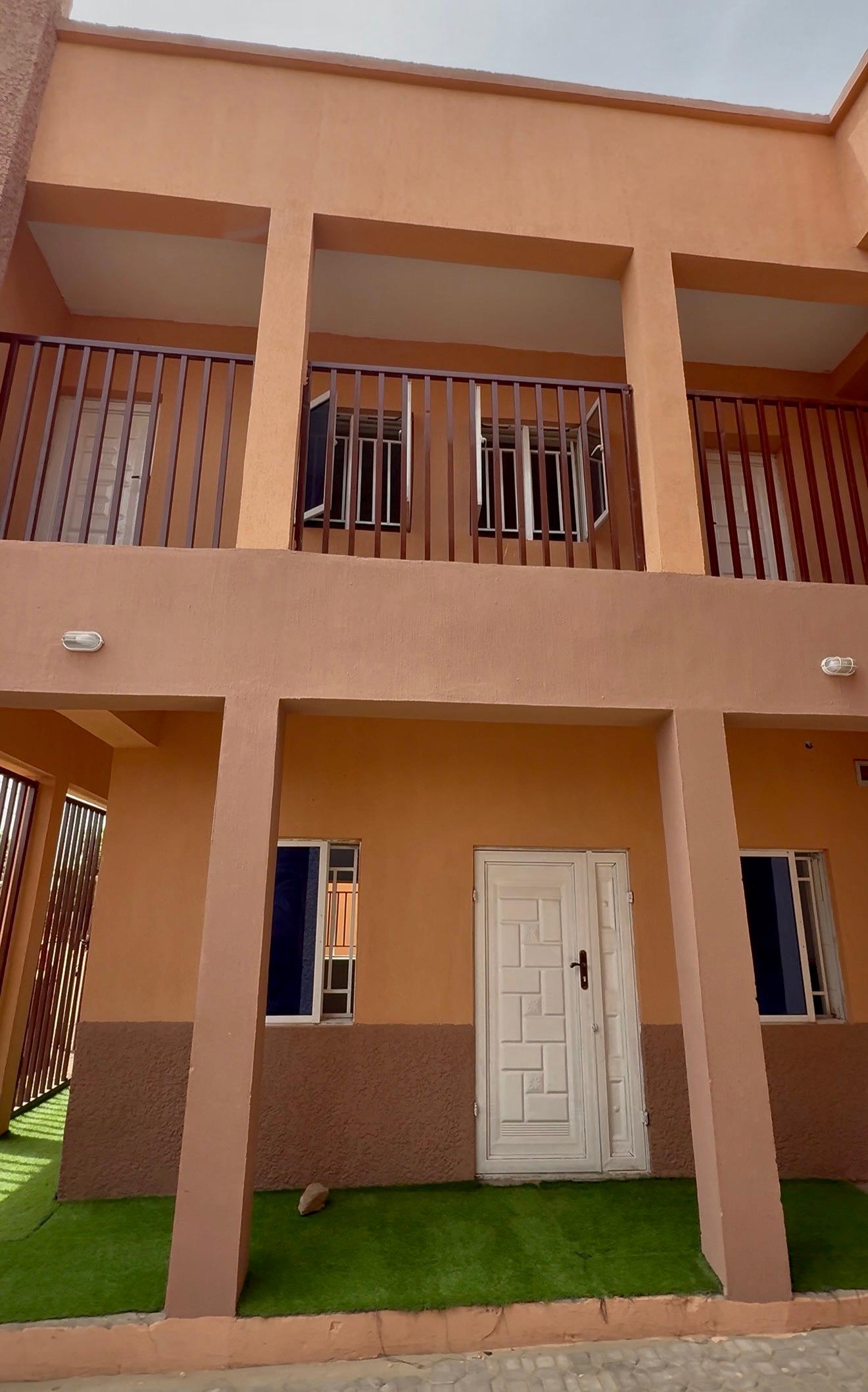
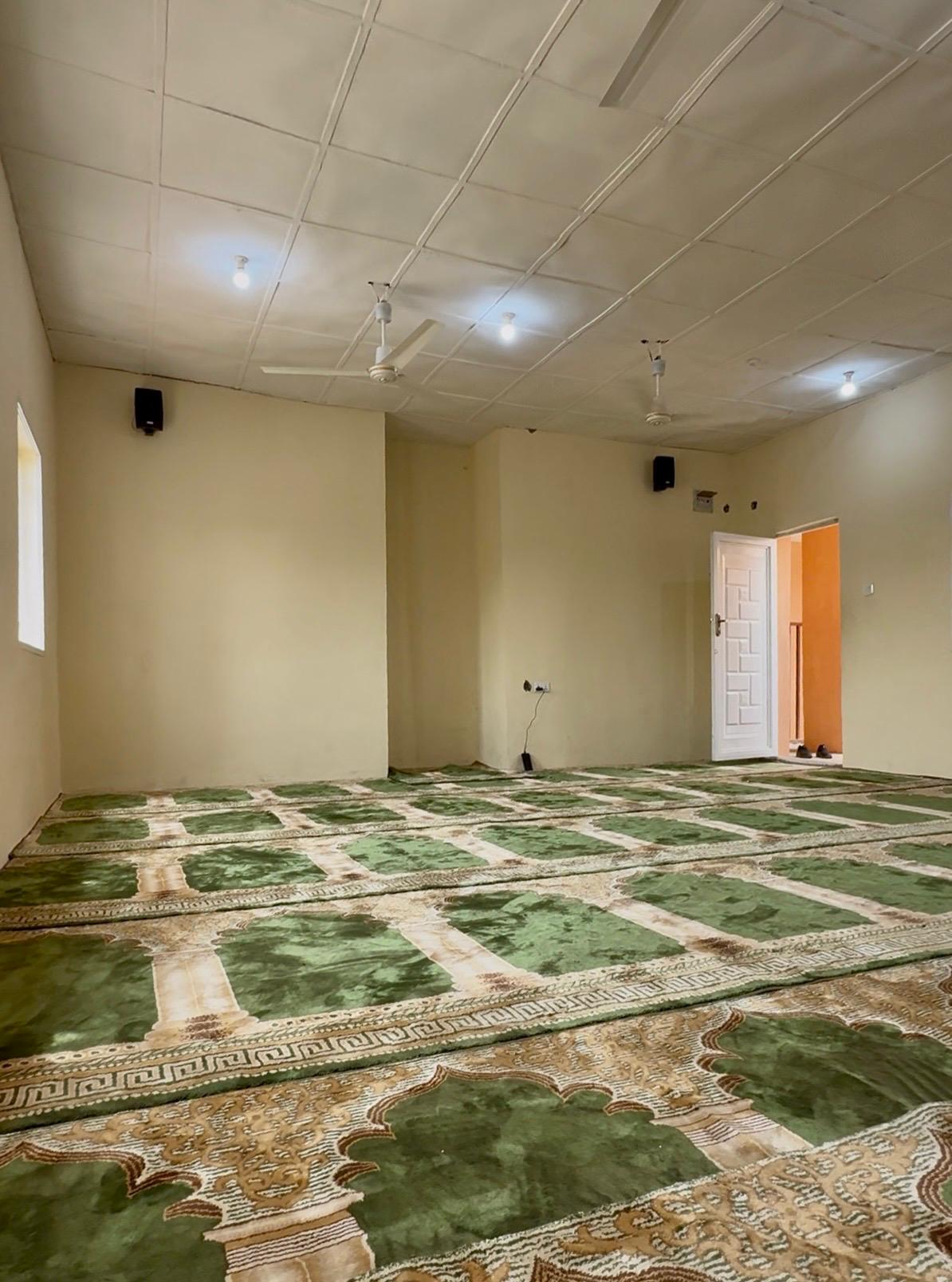
At Kachako community, the aspirant has constructed a modern orphanage alongside a mosque, a project executed under his charitable platform, IMKASH Foundation. The initiative, according to residents, is designed to provide shelter, education, and spiritual guidance for orphaned and vulnerable children within the area.
The facility, described by locals as a “landmark intervention,” stands as a reflection of a growing trend where political actors increasingly invest personal resources into community development, beyond the traditional reliance on public office. For many in Kachako and surrounding communities, the project represents more than infrastructure—it signals a commitment to human development at the grassroots.
Community members who spoke on the development noted that such an initiative, if left solely to government funding, would require significant public expenditure. They argued that projects of this magnitude—ranging from modern schools to healthcare facilities and quality road networks—are often expected from state resources, making privately funded interventions both rare and impactful.
Read Also:
Ganduje-Led APC Stakeholders Back Yusuf for 2027, Spark Political Debate in Kano
Governor Yusuf Orders Probe into Abdullahi Musa Over Alleged ₦1.5bn Salary Deductions
Abbas Uba Saraki Strengthens APC Unity in Sumaila Ahead of 2027
Observers within the constituency point out that the orphanage project distinguishes Abbas Uba Saraki among his peers, particularly in a political environment where tangible, self-funded community projects are not commonly documented. The initiative has also sparked conversations about the role of personal responsibility in leadership and governance.
While acknowledging the need for broader institutional support, residents emphasised that individual contributions such as this can complement government efforts in addressing social welfare gaps. The mosque, situated within the same premises, is expected to serve not only the orphanage but also the wider community, fostering both spiritual growth and social cohesion.
Supporters of the aspirant have called on constituents to recognise and encourage such efforts, describing the project as a symbol of compassion and foresight. They further urged stakeholders to sustain the momentum by promoting initiatives that directly improve the lives of the less privileged.
As political activities gradually gather pace ahead of the next electoral cycle, projects like the Kachako orphanage may increasingly shape public perception, offering voters a tangible measure of leadership beyond campaign promises.
Photo News:

Tinubu ends working vacation, heads to Lagos for Abiola film premiere

Sa’adatu Rimi College Examines Teacher Education Reforms, Digital Integration

Meet Aminu Baba: Creative professional empowering businesses through digital skills

Nigerian Navy recruitment: See requirements, application deadline

The Tinubu Health Reset: A Consultant Examines Nigeria’s Healthcare Reforms
ABCOAD Unveils Journal, Bids Farewell to Provost

Nigerian Army Begins DSSC 29/2026 Recruitment, Outlines Eligibility Criteria

2027: NDC Releases Full List of Consensus Candidates in Kano

Gaya Polytechnic Opens Recruitment, Advertises 46 Academic, Non-Academic Positions