Kano
Kano Launches Safe Corridor Project to Rehabilitate Political Thugs

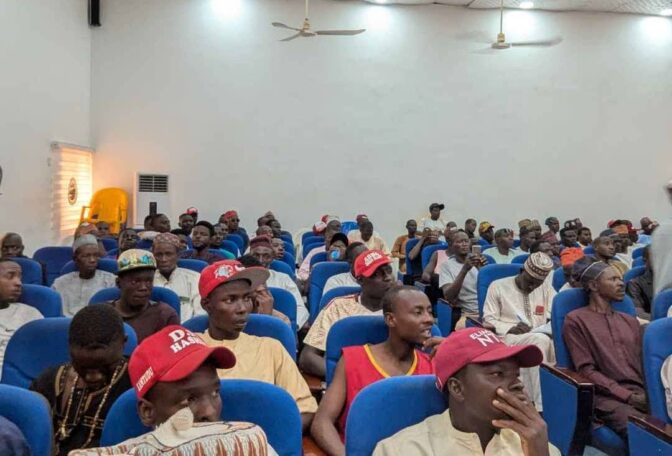
Governor Abba Kabir Yusuf of Kano State has flagged off the Kano Safe Corridor Project, a peace and rehabilitation initiative targeting young political agitators in the state.
The project conceived by former Commissioner of Police, Muhammad Usaini Gumel seeks to reform and reintegrate youths involved in political violence. So far, 718 repentant agitators have pledged to abandon thuggery and embrace productive ventures.
The governor’s announcement came during a strategic interface meeting at the Ministry of Transport Conference Hall, Goron Dutse, which brought together cluster leaders of the repentant youth.
Read Also:
Kano Government Approves ₦14.8 Billion for Major Developmental Projects
State Commissioner for Information, Comrade Ibrahim Garba Waiya, stressed that the initiative was non-political and urged participants to seize the opportunity for reform.
“You are all sons of Kano,” Waiya said. “Some of you may have been drawn into thuggery unintentionally, but now you have the chance to start small businesses or seek rehabilitation support from agencies like the NDLEA. Time is not on your side. You must reform and repent.”
He also cautioned against renewed violence, warning that Kano’s reputation as home to Nigeria’s richest man must not be tarnished.
A defining moment of the meeting came when Waiya asked the youths if they had resolved to abandon violence. Their unified response of “yes” drew applause from attendees.
Sarkin Shanun Kano, Shehu Muhammad, described the gathering as significant for both Kano and Nigeria, lamenting the persistence of thuggery while noting that youths from other regions were making global strides.
Elder statesman, Alhaji Gidado Mukhtar, praised Governor Yusuf’s approach, likening it to the inclusive leadership style of the late Emir of Kano, Alhaji Ado Bayero.
“You are all our sons and daughters,” Mukhtar said, reaffirming the communal spirit behind the initiative.
The Safe Corridor Project will provide mentorship, economic support, and rehabilitation services to participants, with backing from traditional leaders, government officials, and community elders.
Officials say the programme could become a model for other states struggling with youth unrest and political manipulation, sending a clear message: reconciliation, reform, and reintegration are achievable and already in motion in Kano.
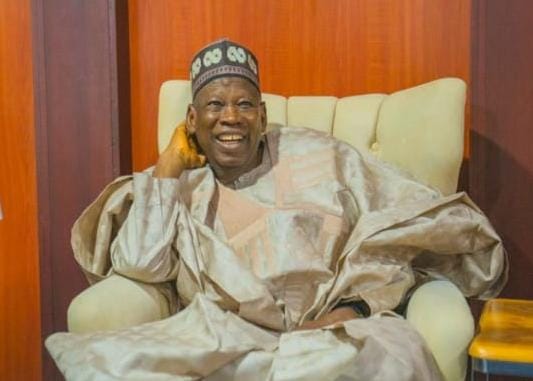
Why The Sun will honour Ganduje with lifetime achievement award

Idris assures NIPR of FG support for 2026 World PR forum
NECO releases 2026 SSCE results, 58.67% record five credits including English, Maths

Pantami’s PDP ticket nullified as court orders fresh Gombe primary

Ganduje calls for commitment to nation-building, democratic sustainability
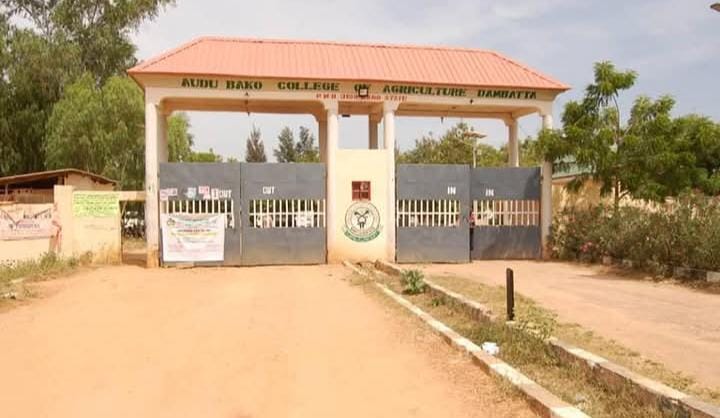
ABCOAD Unveils Journal, Bids Farewell to Provost

Nigerian Army Begins DSSC 29/2026 Recruitment, Outlines Eligibility Criteria
2027: NDC Releases Full List of Consensus Candidates in Kano

Gaya Polytechnic Opens Recruitment, Advertises 46 Academic, Non-Academic Positions