The Historica Nigeria

Kano

Kano, News

Kano Assembly Suspends Rano Local Government Chairman Over Alleged Misconduct

The Kano State House of Assembly (KNHA) has suspended the Chairman of Rano Local Government Council, Alhaji Muhammad Naziru Ya’u, for three months over allegations of misconduct. The decision was taken during plenary on Tuesday, presided over by Speaker Alhaji Jibril Isma’il Falgore, following the presentation of an investigative report by the House Committee on Public Petition. Read Also: Kano Government Approves ₦14.8 Billion for Major Developmental Projects Presenting the report, the Committee Chairman and Majority Leader, Alhaji Lawan Hussaini Dala, said the probe was prompted by a petition signed by nine out of the ten councillors in Rano. The petition accused the chairman of financial recklessness, sale of shops, and diversion of fertilizer meant for the local government, among other allegations. Lawan explained that although the chairman denied the accusations, the lawmakers, acting under Section 128 of the Nigerian Constitution and Section 55 (1–6) of the Kano State Local Government Law 2006, recommended his suspension for three months to allow for a thorough investigation. Other recommendations included the immediate submission of Rano LGA’s 2025 financial statement and the appointment of the vice chairman to serve in an acting capacity during the suspension period. After deliberations, the House unanimously adopted the committee’s recommendations, thereby suspending the chairman and placing the local government council under temporary oversight.

Education, Kano, News

Sa’adatu Rimi College Holds 2023/2024 Matriculation for BUK-Affiliated Students

Sa’adatu Rimi College of Education Kumbotso, on Tuesday held its 2023/2024 matriculation ceremony for over 400 new undergraduate students admitted through its affiliation with Bayero University, Kano (BUK). The event marked the beginning of their academic journey in various degree programmes, according to a statement by the institution’s Public Relations Officer, Shamsudden Ahmad, on behalf of the Director, Public Relations. In his address, the Provost of the College, Dr. Kabiru Ahmed Gwarzo, welcomed the new students and underscored the importance of academic excellence, discipline, and integrity. He noted that the large number of matriculating students reflects the passion and commitment of Kano’s youth towards teacher education. Read Also: Progress Over Propaganda: How Dr. Gwaram is Redefining Leadership at FCAPT Dr. Gwarzo commended the Kano State Government under the leadership of Governor Abba Kabir Yusuf for its timely interventions in uplifting the education sector. He urged the students to attend lectures regularly, complete all assignments, and avoid deviant behaviour or other vices that could jeopardise their safety and academic progress. Representing the Vice Chancellor of Bayero University, Kano, Prof. Salihu Lawan Malumfashi congratulated the students on gaining admission into what he described as “one of the greatest citadels of learning in Nigeria.” He encouraged them to take full advantage of modern academic facilities and resources to excel in their studies. He also stressed the importance of commitment, attendance, and seriousness in Continuous Assessment (CA) to justify their selection from among many who were not fortunate to secure admission. The Registrar of the College, Dr. Atika Bala Maiyafe, mni, administered the matriculation oath to the students, formally welcoming them into the academic community.

Kano, National, News

Kano Welcomes NUJ NEC, Renews Commitment to Press Freedom

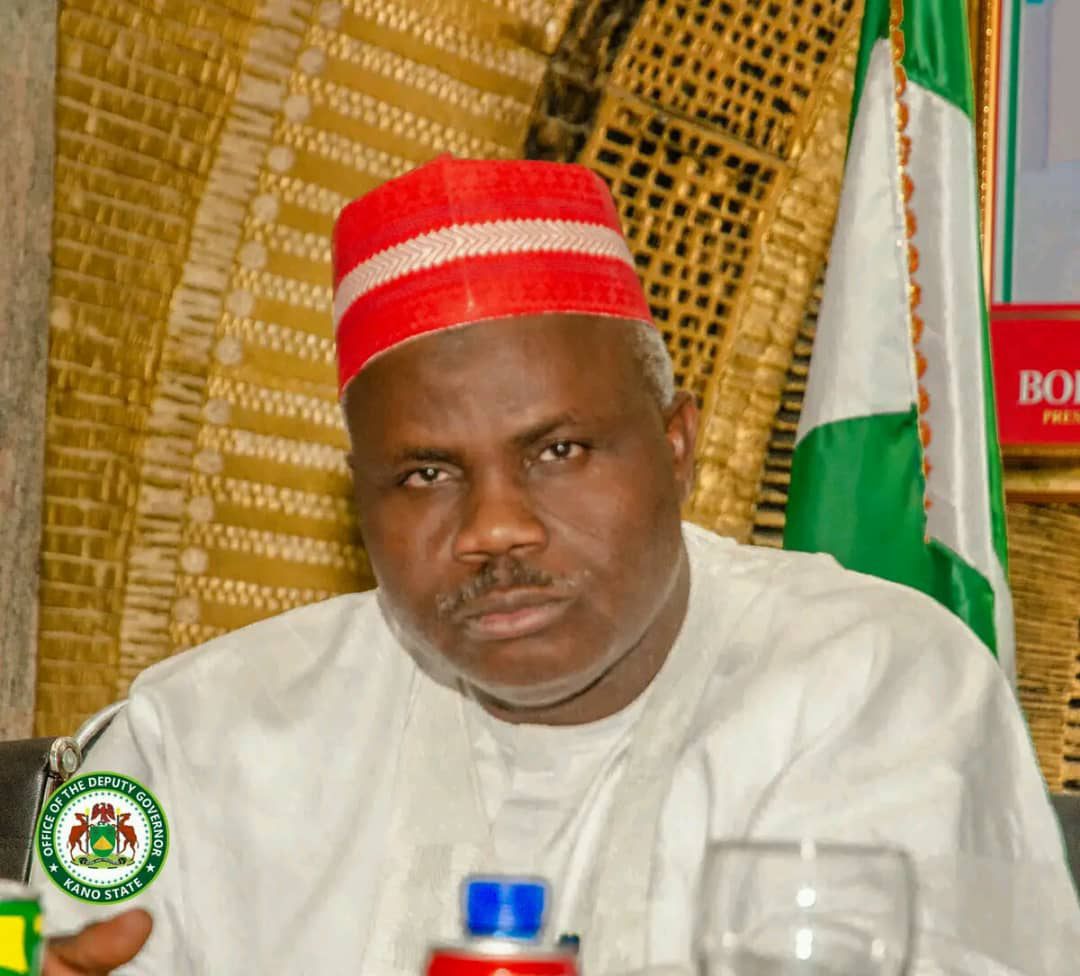
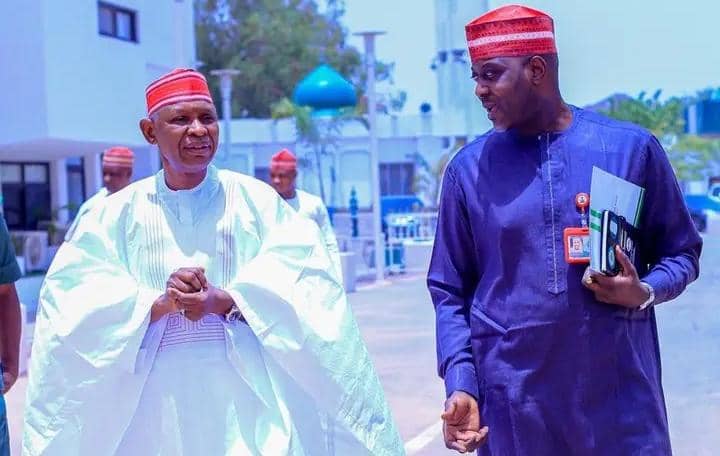
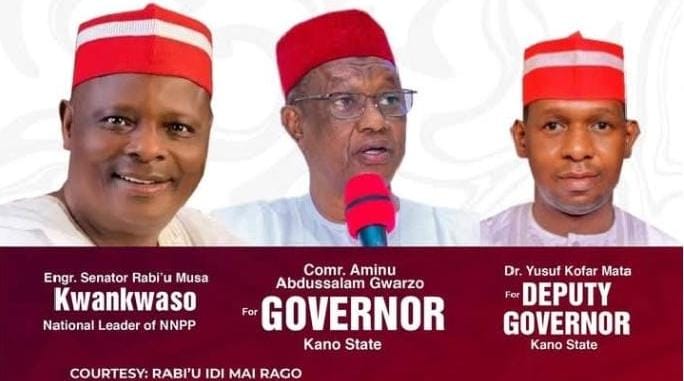
Governor Abba Kabir Yusuf of Kano State on Tuesday pledged to create an enabling environment for media practitioners to operate without interference, reinforcing his administration’s commitment to a free, credible, and responsible press. Yusuf, represented by his Deputy, Aminu Gwarzo, made the pledge while receiving Alhassan Yahaya, President of the Nigeria Union of Journalists (NUJ), and members of the union’s National Executive Council (NEC) at the Government House. He commended the NUJ for selecting Kano as the venue for its NEC meeting, describing the choice as a testament to the cordial working relationship between the state government and the media. Read Also: Kano Online Media Chapel Invites Digital Journalists to Join as Membership Drive Begins The governor highlighted his administration’s achievements in infrastructure, education, healthcare, agriculture, youth and women empowerment, stressing that the government remains committed to delivering more impactful projects to improve citizens’ lives. NUJ President, Alhassan Yahaya, expressed appreciation to the Kano State Government for hosting the meeting and lauded the developmental progress witnessed in the state. He noted that during an inspection tour of the metropolis, the delegation was impressed by the state’s strides in infrastructure development. “We are overwhelmed by the progress made in terms of infrastructural transformation taking place in Kano,” Yahaya said, urging the government to sustain its support for the media. Earlier, Commissioner for Information and Internal Affairs, Ibrahim Waiya, welcomed the NUJ executives and emphasised the importance of strong collaboration between the government and the media. The NUJ NEC meeting is expected to deliberate on key issues affecting journalism in Nigeria, including media welfare, journalist safety, and strategies for safeguarding press freedom.

Kano, News

Kano Launches Safe Corridor Project to Rehabilitate Political Thugs

Governor Abba Kabir Yusuf of Kano State has flagged off the Kano Safe Corridor Project, a peace and rehabilitation initiative targeting young political agitators in the state. The project conceived by former Commissioner of Police, Muhammad Usaini Gumel seeks to reform and reintegrate youths involved in political violence. So far, 718 repentant agitators have pledged to abandon thuggery and embrace productive ventures. The governor’s announcement came during a strategic interface meeting at the Ministry of Transport Conference Hall, Goron Dutse, which brought together cluster leaders of the repentant youth. Read Also: Kano Government Approves ₦14.8 Billion for Major Developmental Projects State Commissioner for Information, Comrade Ibrahim Garba Waiya, stressed that the initiative was non-political and urged participants to seize the opportunity for reform. “You are all sons of Kano,” Waiya said. “Some of you may have been drawn into thuggery unintentionally, but now you have the chance to start small businesses or seek rehabilitation support from agencies like the NDLEA. Time is not on your side. You must reform and repent.” He also cautioned against renewed violence, warning that Kano’s reputation as home to Nigeria’s richest man must not be tarnished. A defining moment of the meeting came when Waiya asked the youths if they had resolved to abandon violence. Their unified response of “yes” drew applause from attendees. Sarkin Shanun Kano, Shehu Muhammad, described the gathering as significant for both Kano and Nigeria, lamenting the persistence of thuggery while noting that youths from other regions were making global strides. Elder statesman, Alhaji Gidado Mukhtar, praised Governor Yusuf’s approach, likening it to the inclusive leadership style of the late Emir of Kano, Alhaji Ado Bayero. “You are all our sons and daughters,” Mukhtar said, reaffirming the communal spirit behind the initiative. The Safe Corridor Project will provide mentorship, economic support, and rehabilitation services to participants, with backing from traditional leaders, government officials, and community elders. Officials say the programme could become a model for other states struggling with youth unrest and political manipulation, sending a clear message: reconciliation, reform, and reintegration are achievable and already in motion in Kano.

Kano, News

Tinubu Names Nasir Bala Ja’oji Senior Special Assistant on Citizenship and Leadership

President Bola Ahmed Tinubu has appointed Nasir Bala Aminu Ja’oji as Senior Special Assistant on Citizenship and Leadership. This was conveyed in a statement signed by Bayo Onanuga, Special Adviser to the President on Information and Strategy. According to the Presidency, the appointments are aimed at strengthening the leadership and citizenship training framework in the country. Read Also: Meet Engr. Abdullahi Garba Ramat, NERC Chairman Mr. Ja’oji, a former Special Adviser on Mobilisation to the Governor of Kano State and a member of the Governing Council of the Coordinated Arewa Youth Groups, is a strong advocate for women and youth empowerment as well as community development. In the same announcement, the President also approved the appointment of Ms. Rinsola Abiola as Director-General of the Citizenship and Leadership Training Centre (CLTC). Ms. Abiola, a seasoned professional in strategic communication and government relations, previously served as Senior Special Assistant to the President and brings a wealth of experience in public service and leadership development to her new role.

Kano, Politics

Dan Maliki’s Leadership Tactics: Steering Dawakin Tofa into a New Era

The election of Governor Abba Kabir Yusuf popularly known as Abba Gida Gida marked a turning point in Kano State’s governance. His rise brought with it a wave of change that quickly reached the grassroots, reshaping local administration in ways both bold and strategic. Among the most notable transformations has been in Dawakin Tofa Local Government, where businessman-turned-politician Anas Mukhtar Bello, widely known as Dan Maliki, assumed the role of Chairman. A man celebrated for his integrity and sharp business acumen, Dan Maliki has wasted no time in demonstrating a results-driven approach to governance. Read Also: Unlike Others, Ganduje Completed All Projects Before His Exit From fiscal reforms to educational breakthroughs, land recovery to youth empowerment, his tenure has been characterized by decisive action, transparency, and community-oriented leadership. Shaking Up the Revenue System One of Dan Maliki’s first moves was a deep dive into the Local Government’s Internally Generated Revenue (IGR). What he found was troubling monthly revenue of less than ₦2 million, despite Dawakin Tofa housing two economic giants: Africa’s largest grains market and Kwakwaci Mechanic Village, the largest in Northern Nigeria. Within months, his administration plugged leakages, ended corruption-linked scandals, and raised monthly IGR to nearly ₦50 million: an unprecedented financial turnaround that set a new benchmark for local governance in Kano. Education as a Priority, Not a Promise If there is a sector where Dan Maliki’s vision shines brightest, it is education. Viewing it as the backbone of community progress, he established a strong Scholarship Committee led by Hon. Mijinyawa. The committee has since secured fully funded scholarships for over 1,000 students across tertiary institutions, including universities, polytechnics, monotechnics, and health colleges. Read Also: Why Kano APC Backs Ganduje, Declares Him ‘Undisputed Leader’ of the Party He cleared all unpaid student fees inherited from the previous administration and recently screened more than 100 postgraduate candidates for MSc and PhD schoolarship, a first in the history of Dawakin Tofa. Land Reforms and Accountability Determined to restore public trust, Dan Maliki revoked illegally sold government lands and reclaimed grazing reserves unlawfully converted for farming. These measures not only protected government assets but also safeguarded the livelihoods of Fulani herders, ensuring peace between farming and pastoral communities. Youth Empowerment on Multiple Fronts Under his watch, youth empowerment has gone beyond rhetoric. From cash support for start-ups to job placements in Federal, State, and Local Government offices, Dan Maliki has positioned young people for economic independence. His administration facilitated the appointment of over a dozen Dawakin Tofa indigenes at Federal University Dutsin-Ma and distributed motorcycles to support youth in business and transport ventures. Rewarding Party Loyalty Dan Maliki’s political instincts are as sharp as his administrative skills. In recent months, he has rewarded dedicated NNPP party members with cars, motorcycles, and cash. Ward leaders received ₦100,000 each, while selected youths were given ₦200,000 ahead of Eid celebrations to purchase rams. Six notable youth activists also received ₦1 million each in recent development, to enable them embark in self reliance business. His leadership and administration has spurred mass defections from rival parties, particularly the APC, into the NNPP fold. Community Projects that Speak for Themselves Infrastructure development remains another pillar of his leadership. From building and renovating classrooms in primary schools to upgrading health facilities and modernizing the Local Government Secretariat, Dan Maliki’s tenure has been marked by tangible, community-focused projects. A Trusted Ally of the Governor Loyalty and cooperation with the State Government have been central to his approach. Dan Maliki’s alignment with Governor Abba Kabir Yusuf’s vision has ensured smooth coordination between state and local initiatives, amplifying the benefits to Dawakin Tofa residents. In less than a year, Hon. Anas Mukhtar Bello Dan Maliki has redefined what local government leadership can look like accountable, people-centered, and transformative. For many in Dawakin Tofa, his name is now synonymous with opportunity, reform, and tangible results.

Feature, Kano, National

Where Daily Trust Missed the Mark on Ganduje’s Exit, Facts Over Speculation

When Abdullahi Umar Ganduje voluntarily stepped down as National Chairman of the All Progressives Congress (APC) on June 27, 2025, the explanation from his former Chief of Staff, Malam Muhammad Garba, was straightforward, that “My principal was not removed as national chairman of the APC; he voluntarily resigned in the best interest of the party and to attend to some personal matters. He is currently in sound health and taking a well-deserved rest in London.” Yet, in the days that followed, much of the public discourse tilted toward conjecture. Speculation especially in Daily Trust’s account suggested presidential distancing, internal trade-offs to lure the NNPP into the APC, and even regional balancing politics. But these theories were built on anonymous voices, absent of Ganduje’s own perspective, and ignored Garba’s unequivocal statement. The result was a narrative shaped more by rumour than fact, something that undermines both journalistic ethics and political clarity. Related: Unlike Others, Ganduje Completed All Projects Before His Exit Ganduje’s tenure as APC National Chairman was marked by steady hands at a turbulent time. He inherited a party navigating post-election turbulence, factional undercurrents, and coalition fatigue. In less than a year, he consolidated national structures, kept the party machinery running without major internal implosions, and reached out to defectors from opposition parties. His political machinery, honed during his years as Kano governor, proved vital in ward-level mobilization, which is a critical factor in a country where grassroots politics often decides national outcomes. The presidency should also recognize that Ganduje’s political bloc is now more formidable than ever. With the current NNPP administration in Kano contributing far less to the state’s development compared to Ganduje’s tenure as governor, public sentiment is shifting. This growing dissatisfaction, combined with Ganduje’s enduring grassroots networks, means that APC stands a strong chance of reclaiming Kano if he remains fully engaged. In simple terms, keeping him central to party strategy is not just an advantage, rather a guarantee for victory in the state. Read Also: Why Kano APC Backs Ganduje, Declares Him ‘Undisputed Leader’ of the Party Kano itself is no ordinary battleground. It is Nigeria’s largest vote bank, delivering millions of ballots in presidential elections. Since 2015, APC’s dominance here has hinged on the “coalition factor”, uniting different political blocs, including defectors from smaller parties like the African Democratic Congress (ADC). Ganduje has been central to this unity, forging alliances across ideological divides and maintaining party loyalty among historically unpredictable voting blocs. His influence does not stop at Kano’s borders. Ganduje’s political reach extends into Jigawa, Katsina, Zamfara, and even Sokoto, making him a key figure in the broader Northwest electoral calculus. The numbers speak for themselves, in presidential races, the Northwest routinely delivers the highest regional vote share, and any fragmentation here could tilt the national balance. This is why sidelining Ganduje now carries a political cost. Without his coordinating presence, the APC risks losing cohesion in Kano’s coalition politics, allowing voter turnout to slip and opposition parties to regain ground. The fact is simple, Ganduje remains one of the very few with the tested capacity, grassroots trust, and strategic positioning to keep the Northwest in APC’s column. If APC truly intends to dominate the 2027 polls, particularly in the Northwest, Ganduje should not just be recognized for past service but actively engaged in a role that matches his political weight. This is not about sentiment or personal loyalty but electoral necessity. The Northwest’s numbers will decide the next presidency, and Ganduje is still the man who can deliver them. Umar is a public affairs analyst writes from Kano. shuaibuumaridris@gmail.com

Kano, National, News

Engineers Urged to Harness Northwest Biomass as COREN Demands Certified Leadership

The General Manager, Market Operations at the Nigerian Electricity Market, Ali Bukar Ahmad, has called on Nigerian engineers to harness the vast biomass resources in the Northwest, which account for over 80% of the region’s renewable energy potential. Speaking at the Annual Memorial Lecture in honour of late Engr. Ibrahim Khaleel Inuwa, Ahmad explained that biomass derived from agricultural residues, animal waste, and other organic matter, offers a sustainable and reliable alternative to fossil fuels. With the Northwest’s strong agricultural base, he noted, these resources are abundant, renewable, and capable of providing a consistent energy supply while reducing environmental pollution. “If properly harnessed, biomass could power rural communities, support agro-industries, and significantly cut dependency on costly fossil-based electricity,” he said. Ahmad urged the conduct of a comprehensive survey across Northwest states to identify the most viable biomass options for each location, stressing that such a targeted approach would maximise impact and ensure long-term sustainability. Read Also: Meet Engr. Abdullahi Garba Ramat, NERC Chairman In his remarks, the Registrar of the Council for the Regulation of Engineering in Nigeria (COREN), Engr. Prof. Okorie Austine Uchegusi, stressed the importance of appointing certified engineers to leadership positions in engineering-related agencies and parastatals. He argued that matching engineering responsibilities with the right expertise is vital to reversing persistent infrastructural failures and curbing unprofessional practices in project execution. “Putting certified COREN engineers at the helm of engineering institutions is one major step towards solving the problems of dilapidated infrastructure, recurring project failures, and lack of technical competence,” he stated. Prof. Uchegusi expressed concern over the increasing number of young Nigerian engineering graduates leaving for opportunities abroad due to limited recognition and lack of meaningful projects at home. “It is disheartening to see our young talents contributing to other nations’ development when their expertise is desperately needed here. If we continue to deny them opportunities, we are only pushing them further away,” he lamented. He pledged to restore the dignity and integrity of the profession, adding that recurring engineering disasters such as building collapses and frequent failures in the national grid could be drastically reduced if certified professionals were appointed to relevant positions. Delivering a virtual address, the Executive Vice Chairman of the National Agency for Science and Engineering Infrastructure (NASENI), Khalil Sulaiman Halilu, reaffirmed the agency’s readiness to support, strengthen, and champion engineering-driven development across the country. He emphasised that NASENI’s mandate goes beyond policy advocacy, encompassing direct intervention in research, technology deployment, and capacity building. According to him, the agency is committed to forging strategic partnerships with engineering institutions, state governments, and private investors to accelerate industrial growth, modernise infrastructure, and enhance Nigeria’s technological competitiveness. On his part, chairman of the Kabuga Branch of the Nigerian Society of Engineers, Engr. Prof. Ibrahim Abdullahi, said the annual remembrance was organised to celebrate the enduring legacy of late Engr. I.K Inuwa, whose vision and contributions continue to inspire the engineering profession in Nigeria. He noted that Inuwa’s leadership style, commitment to mentorship, and his advocacy for professional excellence set a benchmark for future generations. Prof. Abdullahi added that the Kabuga Branch remains committed to advancing the profession through regular training, collaborative research, and proactive community engagement values deeply rooted in the principles that Engr. Inuwa championed. His son, Umar Ibrahim Khaleel Inuwa, described him as a pioneer in engineering and human capital development. “This gathering reminds us to live a life of impact, so that one day, others will remember our contributions,” he said. The remembrance ceremony also saw the induction of 55 new engineers into the Kabuga Branch of the Nigerian Society of Engineers, further strengthening the branch’s professional community and ensuring a continuous pipeline of skilled professionals committed to national development. Late Engr. Ibrahim Khaleel Inuwa, honoured at the event, was instrumental in establishing key engineering institutions during his lifetime, leaving a legacy that remains foundational to the advancement of engineering in Nigeria.

Kano, National, News

How Ganduje’s Policies Affected Kano’s Rural Communities

Dr. Abdullahi Umar Ganduje’s administration as Governor of Kano State (2015–2023) was defined by a series of rural-focused policies aimed at improving livelihoods in remote communities. These initiatives were tailored to address the needs of herders, farmers, and low-income populations who often suffer from limited access to infrastructure and basic amenities compared to the urban centers. From road construction to veterinary services, Ganduje’s government executed several projects that touched the heart of rural Kano. His administration prioritized rural development as a key factor in addressing the root causes of migration, insecurity, and economic stagnation in the countryside. Related: Unlike Others, Ganduje Completed All Projects Before His Exit One of the signature achievements was the establishment of 25 housing units for herders in Dansoshiya Forest, Kiru Local Government Area. The settlement included water facilities, a veterinary clinic, a school, and grazing reserves. The housing project, reportedly worth hundreds of millions of naira, was aimed at reducing the long-standing herder-farmer conflict and improving settlement patterns for nomadic populations. This was in addition to the annual cattle vaccination exercise popularly known as Huji, carried out throughout his administration to boost the herders’ economy and ensure healthy livestock for urban consumption. In education, Ganduje constructed over 3,000 classrooms and rehabilitated hundreds more in rural areas between 2015 and 2021. According to the Kano State Ministry of Education’s 2021 report, about N17 billion was allocated to education in the 2020 budget, with a large portion directed toward primary and secondary schools in local governments across Kano State. Read Also: Why Kano APC Backs Ganduje, Declares Him ‘Undisputed Leader’ of the Party The administration also paid attention to agricultural reforms. Through the Kano Agro-Pastoral Development Project (KSADP), funded by the Islamic Development Bank (IsDB) and the Lives and Livelihoods Fund (LLF), Ganduje initiated large-scale rural empowerment programs. These included artificial insemination training for 60 herder youths (an initiative later reported to have faced bureaucratic implementation issues) and the establishment of milk collection centers. The KSADP alone had an estimated budget of $95 million, directly targeting over 200,000 farmers and herders. Road connectivity saw significant improvement. Rural roads linking agricultural zones to markets were constructed and some rehabilitated. For instance, feeder roads in Tudun Wada, Doguwa, and Gabasawa were part of the Rural Access and Agricultural Marketing Project (RAAMP), which had both federal and state joint funding. In 2019 alone, the state government allocated over N10 billion to rural infrastructure development. The Ganduje-led government also introduced empowerment schemes such as the Women and Youth Empowerment Programme, which included training in local crafts and provision of startup capital, especially for residents of remote LGAs like Makoda, Kunchi, and Sumaila. Over 50,000 beneficiaries reportedly received direct support through these schemes between 2017 and 2022. In health, primary healthcare centers in remote communities were rehabilitated and equipped, with the aim of achieving the Basic Healthcare Provision Fund (BHCPF) goals. The 2022 budget allocated over N5 billion to rural health services, including the upgrade of PHCs in Bebeji, Warawa, and Rogo LGAs. Despite criticisms from opposition figures that some projects were politically motivated, performance indices drawn from state budget reviews, third-party audits, and community testimonies suggest tangible impacts. Dr. Ganduje’s policies toward rural Kano were neither accidental nor cosmetic. They were grounded in the understanding that the economic backbone of the state resides in its hinterlands. By focusing on farmers, herders, and other rural dwellers, he left behind a model of development that, if sustained, could reshape the rural economy and reduce urban pressure. While every administration has areas for improvement, Ganduje’s rural focus supported by data, budgetary commitments, and visible projects remains a defining chapter in Kano’s development history. Umar is a political analyst and writes from Kano.

Kano, News

Governor Abba Kabir Yusuf Sacks Two Senior Aides Over Misconduct

Governor Abba Kabir Yusuf has dismissed two Senior Special Assistants over misconduct, including one implicated in securing the bail of a notorious drug baron. In a statement issued on Saturday by the Press Secretary to the Secretary to the State Government (SSG), Musa Tank Muhammad, the governor approved the sack after reviewing separate investigative committee reports that found the aides guilty of wrongdoing. Those affected are Abubakar Umar Sharada, Senior Special Assistant on Political Mobilisation, and Tasiu Adamu Al’amin Roba, Senior Special Assistant, Cabinet Office. Read Also: Kano Government Approves ₦14.8 Billion for Major Developmental Projects According to the statement, Sharada was identified as “the mastermind of the bail of a dangerous drug baron, Sulaiman Aminu Danwawu.” The investigating committee confirmed his role, noting that “his culpability was established through his own testimony before the panel.” A dismissal letter dated Friday, August 8, 2025, directed Sharada to hand over all government property in his possession to the Permanent Secretary, Research, Evaluation and Political Affairs (REPA) in the Office of the SSG, by Monday, August 11, 2025. He was also warned against presenting himself as a public officer under the current administration. Roba was removed from office over his arrest in 2024 for rebagging palliative grains at a warehouse in Sharada. He has since been charged in court with theft and criminal conspiracy for allegedly diverting public assets. He has likewise been ordered to return all government property, including his identity card, by August 11, 2025, and to desist from identifying himself as a government official. The statement also announced that Hon. Musa Ado Tsamiya, Special Adviser on Drainages, had been cleared of all allegations against him. “An investigative committee has exonerated him of all allegations, affirming his innocence,” it said. Governor Yusuf reiterated his administration’s zero-tolerance policy on corruption, warning public officials to uphold discipline and integrity in both their official duties and private lives. The statement further cautioned members of the public against engaging the two sacked aides on any matter relating to the state government, stressing that anyone who does so “does it at his or her own risk.”

Scroll to Top