
National
EFCC begins monitoring FAAC allocations to states, LGs to prevent fund diversion


The Economic and Financial Crimes Commission (EFCC) has commenced efforts to monitor Federation Account Allocation Committee (FAAC) disbursements to state and local governments to prevent the diversion of public funds.
EFCC Chairman Ola Olukoyede disclosed this on Thursday at the commissioning of the commission’s new Zonal Directorate in Awka, Anambra State, saying the move marked a shift towards preventing financial crimes before they occur.
Olukoyede said President Bola Tinubu had approved the monitoring of FAAC allocations to states and local governments as part of measures to strengthen accountability in public finance management.
“Mr President has gracefully approved for us to also monitor FAAC releases to states and to local government,” he said.
According to him, the commission is moving beyond its traditional emphasis on investigating financial crimes and recovering stolen funds to identifying weaknesses in government financial systems that could enable fraud.
Read Also:
Abba Bichi at 45: The making of a lawmaker under Ganduje’s political mentorship
Kano raises concern over delayed release of approved funds as 2026 nears end
Kano Governor appoints Hafsat acting PCACC chairperson
“So we are now in the business of preventing while we are still enforcing the one that fits us out. We no longer wait for money to be stolen before EFCC acts,” Olukoyede said.
He explained that the commission had established a Department of Fraud Risk Assessment and Control to identify vulnerabilities in public institutions and introduce measures to prevent financial crimes.
The department, he said, had begun visiting ministries, departments and agencies (MDAs) to examine financial releases and track how public funds were being utilised.
Olukoyede said the preventive strategy was now being extended to allocations disbursed to state and local governments through FAAC.
He noted that preventing fraud before public funds were diverted was more effective than pursuing recovery after the money had been stolen, adding that investigations and recovery efforts often involved substantial costs.
According to him, the commission’s experience suggests that only about 60 per cent of stolen funds may be recovered, while the recovery process could consume between 20 and 25 per cent of the amount eventually retrieved.
“Which one is the most effective or more effective way of fighting financial crimes? Prevention,” he said.
The EFCC chairman said the strategy formed part of broader institutional reforms aimed at strengthening the commission’s capacity to identify and address financial vulnerabilities before they resulted in losses to government.
He added that the commission would continue investigating and prosecuting offenders while working with public institutions to improve financial controls and reduce opportunities for fraud.
Providing an update on the commission’s activities, Olukoyede said the EFCC received 49,673 petitions between October 2023 and July 2026, investigated 39,615 cases and filed 14,476 cases in court.
During the same period, the commission secured 10,872 convictions, he said.
In the first half of 2026, Olukoyede added, the EFCC secured 1,370 convictions from 1,889 case filings.
He also reported recoveries of N1.2 trillion, $684 million, £373,000 and €9.3 million, in addition to funds recovered in other currencies.
Olukoyede said the expansion of the commission’s operations to Anambra and Imo states was intended to strengthen its capacity to monitor economic activities and collaborate with government institutions in identifying areas susceptible to fraud.
He urged state governments to work with the commission to address vulnerabilities in internally generated revenue (IGR) collection and land registry administration.
“We look at vulnerable areas, your IGR, land registry particularly, and areas that are vulnerable to fraud,” he said.
He explained that the EFCC would collaborate with governments to develop fraud-risk assessments and strengthen controls to improve revenue collection and reduce opportunities for the diversion of public funds.
The chairman also called for greater participation by citizens, civil society organisations, traditional rulers, professional bodies and local communities in monitoring public projects and government expenditure.
According to him, members of the public can help expose financial irregularities by reporting abandoned projects, suspected diversion of public resources and other credible indications of economic and financial crimes.
He urged Nigerians to provide relevant information through the reporting channels established by the commission.
The new Awka Zonal Directorate will cover Anambra and Imo states, forming part of the EFCC’s efforts to expand its operational reach and bring its services closer to economic centres across the country.
Olukoyede maintained that the commission’s increased emphasis on prevention would complement, rather than replace, its investigative and prosecutorial responsibilities.

Kano emirate dispute: CSOs urge Tinubu to prevent escalation

Let the Renewed Hope Story be Heard: Tinubu’s Appointees from the North Must Take the Message to the Grassroot

FG Announces 30-day petrol discount, gives priority to public transporters

MHWUN backs efforts to reduce zero-dose children in Kano

Kano emirate dispute: Abba, Bayero’s senior counsellor meet in Abuja
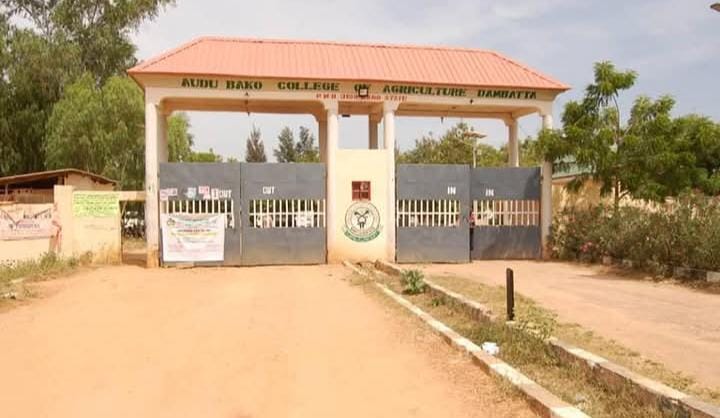
ABCOAD Unveils Journal, Bids Farewell to Provost

Nigerian Army Begins DSSC 29/2026 Recruitment, Outlines Eligibility Criteria

2027: NDC Releases Full List of Consensus Candidates in Kano

Gaya Polytechnic Opens Recruitment, Advertises 46 Academic, Non-Academic Positions