Kano
Kano Blogger Maryam Shehu released after EFCC drops charges


The Economic and Financial Crimes Commission (EFCC) has withdrawn the charges against Kano-based blogger, Maryam Isah Shehu, and her co-defendant, Abubakar Shuraim Abdulhamad, following an intervention by the commission’s Executive Chairman, Ola Olukoyede.
Shehu was released from EFCC custody on Friday, August 21, 2026, following the decision to discontinue the case, bringing to an end her detention that had generated public concern and calls for her release.
The two defendants were arraigned on Thursday, August 20, before Justice Joyce Abdulmalik of the Federal High Court, Abuja, over allegations bordering on cybercrime and the dissemination of information which the commission described as malicious against the agency.
The EFCC subsequently announced its decision to withdraw the charges after Olukoyede considered a passionate plea and apology from Shehu’s father, alongside appeals from well-meaning Nigerians seeking leniency for the defendants.
Read Also:
Calls grow for release of Kano Blogger detained by EFCC for over 30 days
Suspected phone snatchers stab 25 year old Kano businessman to death
How Sokoto boat tragedy left 46 dead, 16 missing
According to the commission, Olukoyede directed that the charges be dropped despite its position that the alleged conduct constituted an offence under the Cybercrimes (Prohibition, Prevention, Etc.) Act, 2015, as amended in 2024.
The EFCC said the defendants were charged in connection with what it described as cybercafe stalking, allegedly contrary to Section 24(2)(c) of the Cybercrimes Act and punishable under Section 24(2)(c)(ii).
However, the commission said the chairman exercised his discretion to discontinue the matter after receiving appeals for leniency.
The development effectively ends the prosecution arising from the charges against Shehu and Abdulhamad, subject to the necessary formal legal steps for the withdrawal before the court.
Calls for her release
Shehu’s case had attracted growing public attention following reports that she had spent more than 30 days in EFCC custody after her arrest in Kano and subsequent transfer to Abuja.
Human rights lawyer, Barrister Abba Hikima, had raised concerns over her continued detention, urging the EFCC either to charge her before a competent court if there was sufficient evidence of an offence or release her if there was no lawful basis for keeping her in custody.
Hikima and other supporters, including Barrister Nuhu Dantani, had also called for intervention by relevant organisations, arguing that investigation should not become a form of punishment.
The campaign generated public interest, with supporters using the hashtag #FreeMaryamShehu while demanding her release and greater transparency over the circumstances surrounding her detention.
Some supporters had also alleged that Shehu was arrested after raising concerns involving officials of the anti-graft agency, while other allegations surrounding the circumstances of her arrest and detention circulated publicly. Those allegations were not independently established.
EFCC defends its position
Despite withdrawing the charges, the EFCC maintained that it would not tolerate what it described as wilful attacks aimed at damaging the reputation of the commission.
The anti-graft agency warned that criticism or conduct directed at undermining its image through any medium or platform would not be treated lightly.
However, the decision to discontinue the case means that Shehu and her co-defendant will no longer face prosecution over the charges that led to their arraignment, following the intervention by the EFCC chairman.
Olukoyede also assured Nigerians that the commission would continue to operate within its statutory mandate and in the best interest of the country.
The release of Shehu marks a significant development in a case that had sparked public debate over the balance between law-enforcement powers, freedom of expression and the rights of citizens under investigation.

2027: INEC lists 16 Gombe governorship candidates, Pantami missing

Kano NUJ vice chairman Mustapha Gambo loses mother

Kano spends ₦2.7bn on publicity, honorarium, sitting allowances in six months
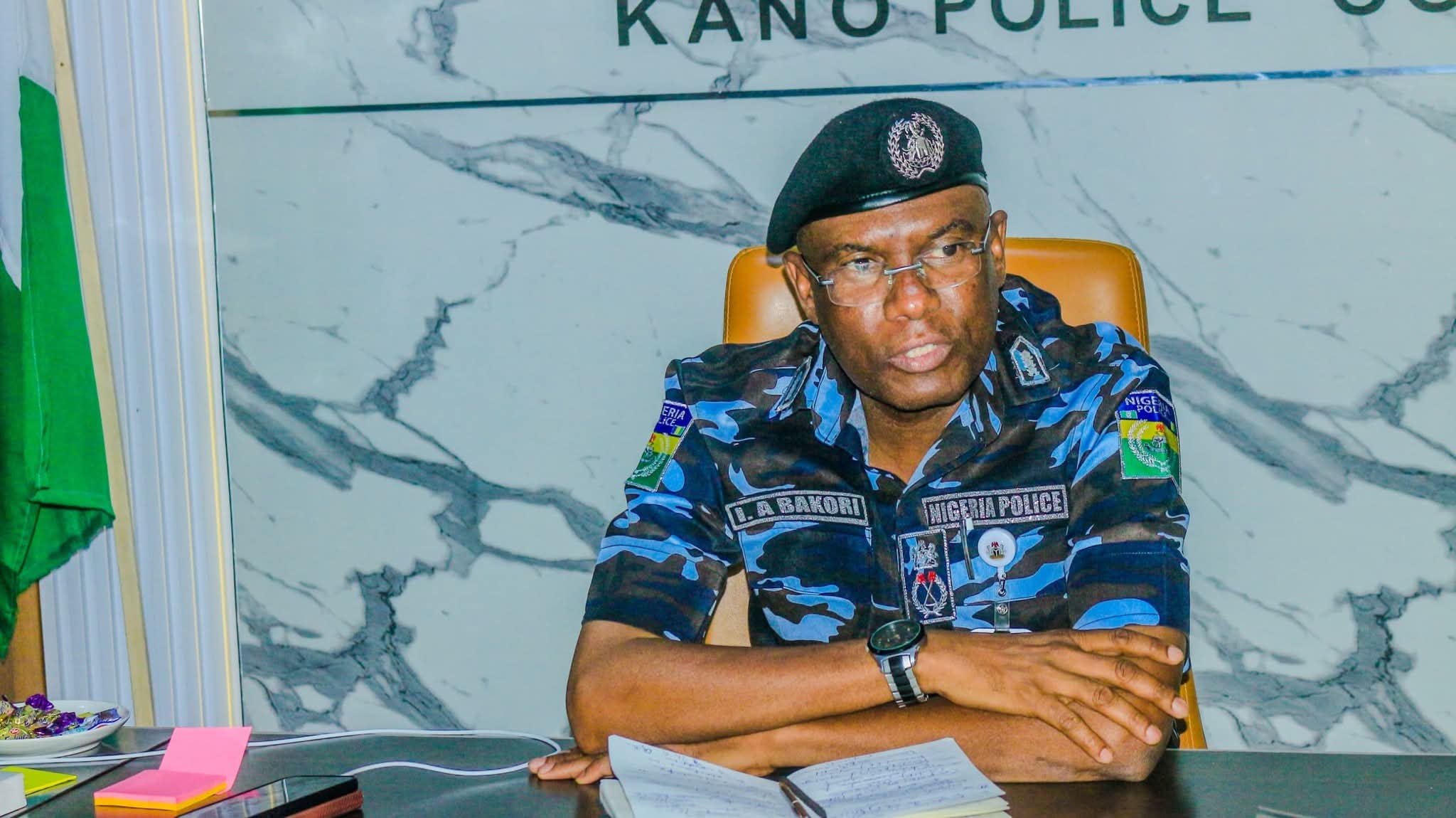
Kano Emirate Crisis: 200 CSOs to Honour CP Bakori for Peace Efforts

2027: ‘It’s Time to Pay Tinubu Back,’ Ganduje Tells Supporters
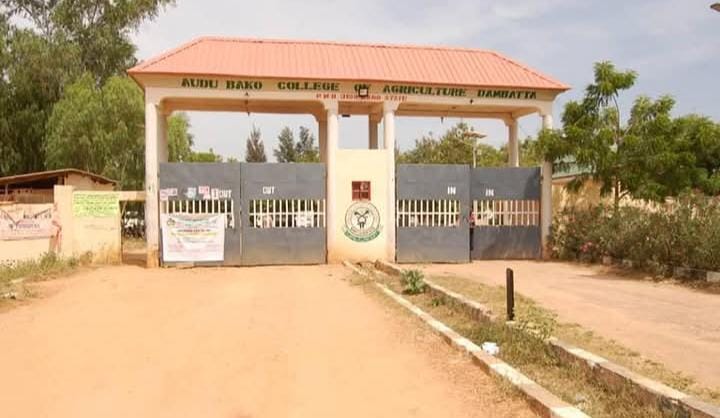
ABCOAD Unveils Journal, Bids Farewell to Provost

Nigerian Army Begins DSSC 29/2026 Recruitment, Outlines Eligibility Criteria
2027: NDC Releases Full List of Consensus Candidates in Kano

Gaya Polytechnic Opens Recruitment, Advertises 46 Academic, Non-Academic Positions