Feature
Why Ganduje Could Make an Effective Chief of Staff to the President

By Umar Idris Shuaibu
In every successful presidency, there is usually one individual who works quietly behind the scenes, coordinating government activities, managing access to the President, ensuring policy implementation and serving as the bridge between political leadership and the machinery of government. The office of the Chief of Staff demands far more than political popularity; it requires administrative discipline, institutional knowledge, strategic judgement and absolute confidence from the President.
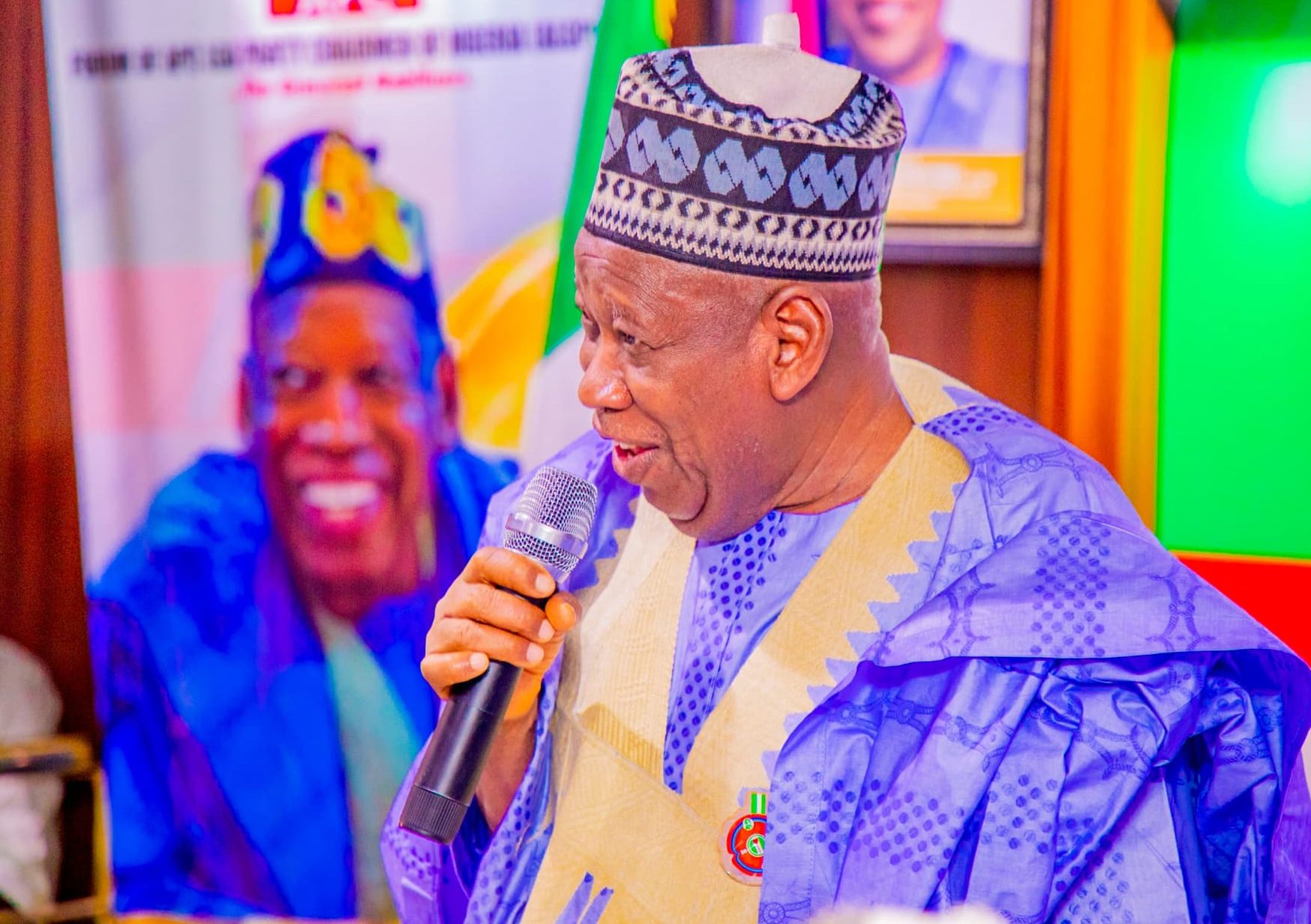
It is against this backdrop that some political commentators have argued that Dr. Abdullahi Umar Ganduje possesses many of the qualities associated with the office.
There is an old African proverb which says, “the tree with deep roots fears no wind.” Ganduje’s public service record reflects decades of experience that extend far beyond electoral politics. His career spans education, civil service, international administration, state governance and national party leadership.
Before becoming Governor of Kano State, Ganduje served within the Federal Capital Development Authority (FCDA), held key administrative responsibilities including the Sole Administrator in Abuja, and later worked as Executive Secretary of the Lake Chad Basin Development Authority. These positions required policy coordination, bureaucratic management and collaboration across multiple institutions, competencies that are central to the responsibilities of a Chief of Staff.
Related:
When Experience Speaks Louder Than Ambition: The Ganduje Case
Why Ganduje remains one of APC’s most valuable political assets
Associate Professor Amina Ganduje’s Quiet March into Nigeria’s Intellectual Elite
His academic credentials equally reinforce this profile. As a PhD holder in Public Administration, Ganduje has spent much of his professional life studying and practising governance. While academic qualifications alone do not determine leadership success, they often provide a deeper appreciation of institutional processes and public sector management.
His years as Deputy Governor and later Governor of Kano State further exposed him to the realities of coordinating government ministries, supervising policy execution, managing public finances and engaging with diverse stakeholders. Kano, being Nigeria’s most populous state, presents governance challenges that require both political skill and administrative competence.
Following his governorship, Ganduje assumed the office of National Chairman of the All Progressive Congress (APC), where he supervised the affairs of Nigeria’s ruling political party during a period marked by internal negotiations, defections and electoral preparations. The assignment demanded patience, discretion and the ability to manage competing political interests without losing sight of broader organisational objectives.
Supporters of Ganduje also point to his longstanding relationship with President Bola Ahmed Tinubu and his consistent support for the administration’s Renewed Hope Agenda. In high-level government appointments, trust is often as important as competence. As the saying goes, “a captain chooses a crew he can rely on when the waters become rough.”
Another argument advanced by those who support such a possibility is Dr. Ganduje’s familiarity with the political dynamics of Northern Nigeria, particularly Kano State, which remains one of the country’s most influential electoral centres. His extensive grassroots network and decades of political engagement have made him one of the region’s enduring political figures.
Critics may hold different views, as is natural in any democracy. However, public debate about leadership appointments should focus on competence, experience and the ability to strengthen public institutions rather than on personalities alone.
Ultimately, appointments into the highest offices of government remain the constitutional prerogative of the President. Whether or not Ganduje is ever considered for such a position is a matter for the President alone.
Nevertheless, his long record in public administration, executive governance and party organisation provides a basis for understanding why his name is sometimes mentioned in discussions about senior national assignments. After all, “when the going gets tough, the tough get going,” and institutions often benefit from leaders whose experience has been tested over time rather than those whose abilities remain unproven.

Kano emirate dispute: CSOs urge Tinubu to prevent escalation

Let the Renewed Hope Story be Heard: Tinubu’s Appointees from the North Must Take the Message to the Grassroot

FG Announces 30-day petrol discount, gives priority to public transporters

MHWUN backs efforts to reduce zero-dose children in Kano

Kano emirate dispute: Abba, Bayero’s senior counsellor meet in Abuja

ABCOAD Unveils Journal, Bids Farewell to Provost

Nigerian Army Begins DSSC 29/2026 Recruitment, Outlines Eligibility Criteria

2027: NDC Releases Full List of Consensus Candidates in Kano

Gaya Polytechnic Opens Recruitment, Advertises 46 Academic, Non-Academic Positions