
Kano
CITAD plants 625 trees in 1 million tree campaign, flags seedling shortage

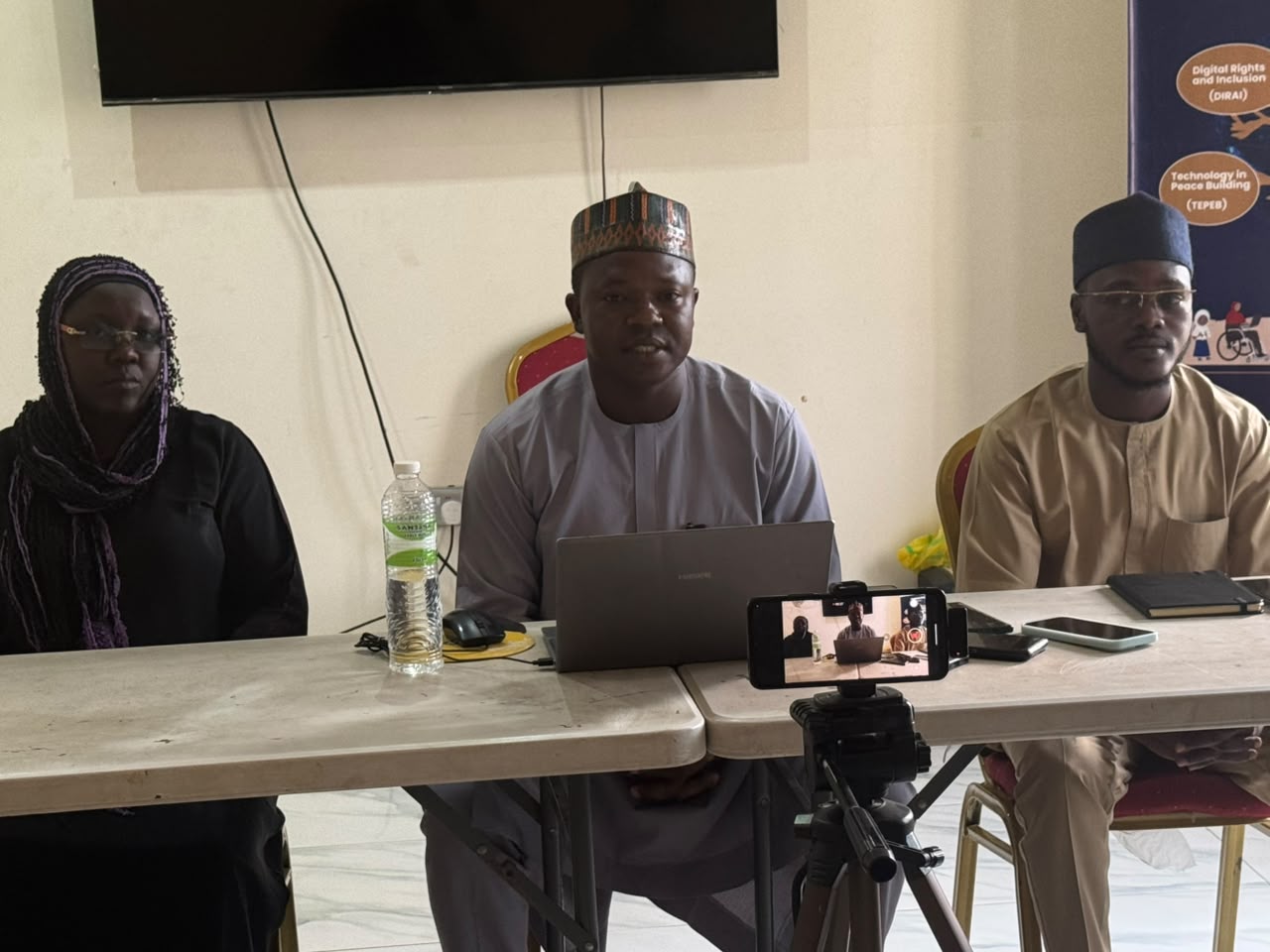
The Centre for Information Technology and Development (CITAD) has planted 625 trees under its Plant 1 Million Trees (P1MT) campaign across Northern Nigeria, with 347 verified as surviving, but says a shortage of seedlings is slowing the expansion of the initiative.
CITAD disclosed this at its first media briefing on the campaign, which was launched on September 2, 2026, to promote reforestation, restore endangered indigenous tree species and mobilise communities against environmental degradation.
Speaking on behalf of CITAD Executive Director, Dr Y. Z. Ya’u, the Project Lead, Sani Khames, said the initiative is targeting one million trees across Northern Nigeria by September 2027.
Digital tracking system
To strengthen accountability, CITAD has deployed p1mt.ng, a digital platform that uses GPS technology to record planting locations and support monitoring of tree survival.
Khames said the system has also helped expose inaccurate submissions, including photographs of existing mature trees and unplanted seedlings presented as new plantings. Such entries, he said, are flagged and excluded from the official figures.
Read Also:
CITAD launches tree-planting drive in Kano schools to combat desertification
300-Year-Old Kano Farming Settlement Faces Extinction Over Sand Mining
NESREA raids illegal donkey abattoirs as FG backs donkey farming
The platform has so far attracted 129 registered volunteers, although CITAD is still developing its full volunteer monitoring structure, with verification currently relying heavily on its staff.
Partnerships and nurseries
CITAD has established partnerships with government institutions in Kano, Jigawa and Bauchi to support planting activities and improve access to seedlings.
In Kano, CITAD is working with the Ministry of Water Resources, Environment and Climate Change, which had earlier provided 780 seedlings to support the initiative. The organisation has also engaged the Senior Secondary School Management Board and the Science and Technical Schools Board.
It has further secured formal partnerships with the Jigawa State Ministry of Environment and the Bauchi State Ministry of Environment and Housing.
To strengthen local seedling production, CITAD has established four nurseries two in Kano, one in Dutse, Jigawa State, and another in Jama’are, Bauchi State, with emphasis on propagating indigenous tree species.
Seedling shortage
Khames identified inadequate seedling supply as one of the campaign’s major challenges, saying demand from communities and prospective participants currently exceeds available stock.
He called on government agencies, donor organisations, corporate bodies and members of the public to support the initiative with seedlings and funding to enable it to expand its planting activities.
Focus on indigenous species
The campaign places particular emphasis on indigenous species such as Dinya, Aduwa and Marke.
Khames said the trees are adapted to Northern Nigeria’s climatic conditions, with characteristics including drought tolerance, relatively low irrigation requirements and deep root systems that can help reduce erosion.
He added that promoting native species would also contribute to efforts to protect trees threatened by environmental degradation and preserve the region’s ecological heritage.
Public awareness drive
CITAD has complemented its planting activities with public sensitisation through radio and digital platforms.
The organisation has engaged Radio stations in Jigawa and in Bauchi, alongside campaigns on Facebook, X, Instagram, TikTok and WhatsApp.
Khames said sustained community participation would be important not only for increasing the number of trees planted but also for ensuring that they are properly maintained and survive after planting.
With 625 trees planted and 347 verified as surviving, CITAD is working towards its September 2027 target of one million trees across Northern Nigeria.
The organisation said expanding seedling production, attracting additional support and strengthening community-based monitoring would be crucial to closing the current supply gap and sustaining the campaign.

CITAD plants 625 trees in 1 million tree campaign, flags seedling shortage

FG declares Thursday public holiday

AHIP trains stakeholders on risks of irregular migration

PCACC arrests suspect over sale of Kano Govt horse stable

Katsina takes governance to 361 wards with community development programme
ABCOAD Unveils Journal, Bids Farewell to Provost

Nigerian Army Begins DSSC 29/2026 Recruitment, Outlines Eligibility Criteria

2027: NDC Releases Full List of Consensus Candidates in Kano

Gaya Polytechnic Opens Recruitment, Advertises 46 Academic, Non-Academic Positions