Humanitarian
Kano reviews social protection gains, sets priorities for second half of 2026


By Umar Idris Shuaibu, Kano
The Kano State Government, in partnership with the United Nations Children’s Fund (UNICEF), has unveiled a six-month implementation framework aimed at institutionalising Universal Child Benefits as part of efforts to strengthen social protection and improve the welfare of vulnerable children and households across the state.
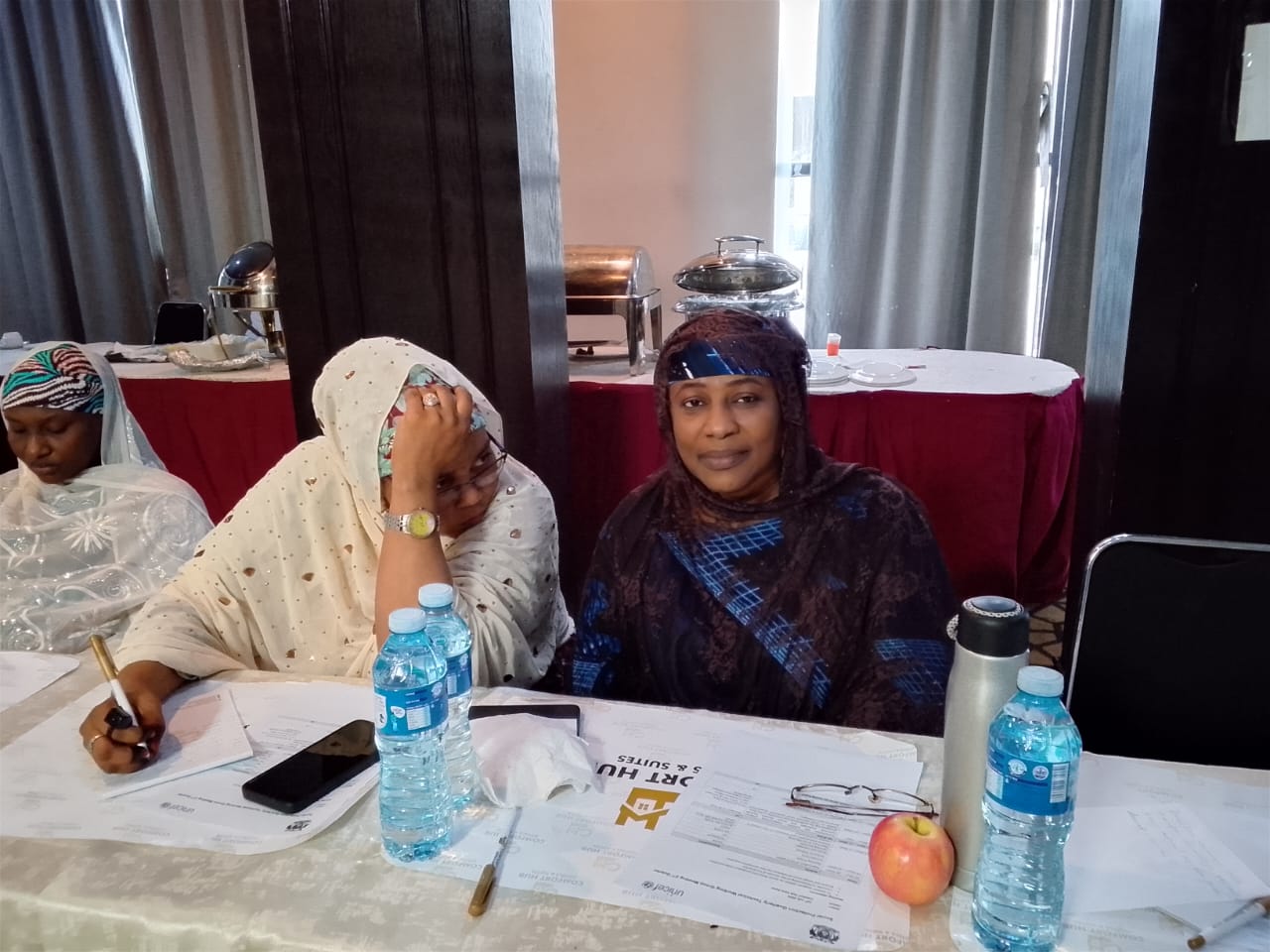
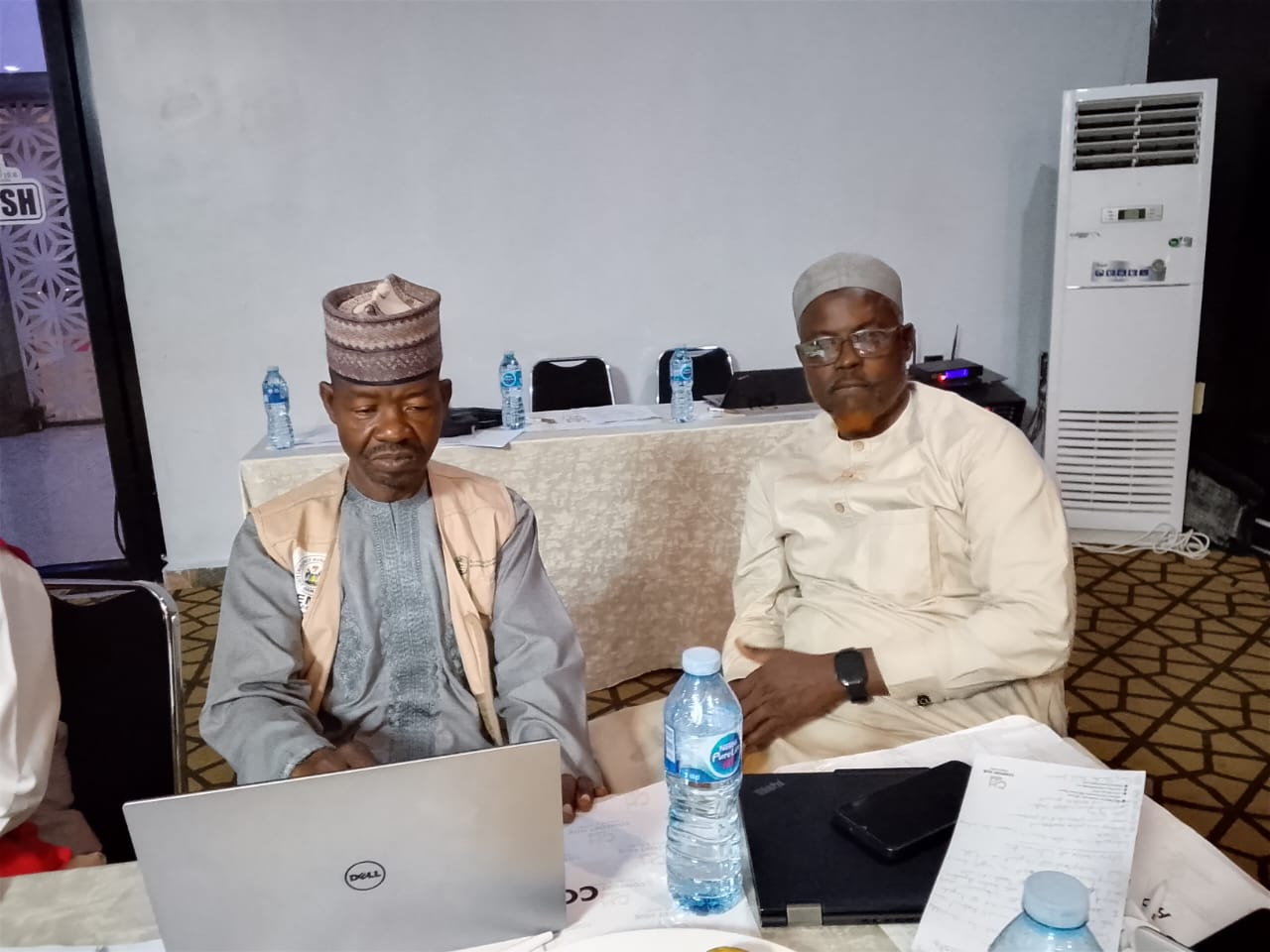
The framework, which covers July to December 2026, was presented during the Second Quarter Social Protection Technical Working Group (TWG) Meeting held in Kano, where government officials, development partners and members of the Social Protection Technical Working Group reviewed progress on ongoing interventions and outlined priorities for the second half of the year.
Presenting a paper on “Understanding Social Protection,” social protection expert from the Kano State Ministry of Livestock Development, Dalhatu Danladi, described social protection as the foundation of social policy and a multi-sectoral system designed to reduce poverty, remove financial barriers and improve access to essential services for vulnerable populations.
He explained that effective social protection goes beyond cash assistance, requiring coordinated investments across sectors such as health, education, nutrition, birth registration and humanitarian response to achieve sustainable development outcomes.
Read Also:
Photos: One dead, four injured as building collapses in Kano
UNICEF engages Kano, Jigawa, Katsina on future child development priorities
Nigeria Records Over 2 Million Zero-Dose Children, Ranks Among Highest Globally — Save the Children
According to him, Kano’s vision is to establish a social protection system that reaches more children, particularly those affected by humanitarian situations, while providing reliable data on the wellbeing of girls, boys and adolescents to support evidence-based planning, advocacy and policy decisions.
Danladi further stressed that government investment in children should be regarded as an investment in the state’s future rather than a financial burden, noting that child-focused spending remains one of the most effective, efficient and equitable approaches to development.
He identified expansion of social protection coverage, gender-responsive interventions, disability inclusion, climate and conflict-sensitive programming, and stronger coordination among implementing institutions as critical “game changers” for building an inclusive and resilient social protection system in Kano.
As part of the state’s priorities for the remainder of 2026, stakeholders endorsed actions aimed at expanding and validating the social register, enrolling more vulnerable households into the Child Support Programme, returning out-of-school children to classrooms, expanding immunisation and maternal-child healthcare services, scaling up nutrition interventions, and strengthening financing, coordination and accountability mechanisms.
Speaking during the meeting, the Director-General of the Kano State Social Protection Agency (KASPA), Hajiya Fatima Abdullahi, said Ministries, Departments and Agencies implementing social protection programmes had recorded significant progress through various interventions designed to improve the wellbeing of vulnerable residents.
She noted that collaborative efforts among government institutions and development partners have strengthened Kano’s social protection ecosystem while improving coordination in programme implementation.
Representatives of the various line Ministries, Departments and Agencies responsible for social protection also presented updates on their activities, highlighting achievements recorded, implementation challenges and lessons learned in delivering interventions across the state.
Participants agreed that stronger coordination, sustainable financing, improved data systems and enhanced accountability would be critical to achieving Kano’s goal of building an inclusive, child-sensitive and shock-responsive social protection system capable of supporting vulnerable populations during both normal and humanitarian situations.
The quarterly meeting concluded with renewed commitments by stakeholders to deepen collaboration and accelerate implementation of the state’s social protection priorities in line with the Sustainable Development Goals and Kano’s long-term development agenda.
Photo News:







Tinubu’s Kaduna Campaign Eve: Dan’agundi leads thousands of supporters to governor Uba Sani in Massive show of solidarity

Gwarzo’s exclusion: NDC races against time as INEC deadline nears

2027: Mariya Bunkure takes key women affairs role in Kano APC campaign

2027: Kano Governor Names Former Education Commissioner Kiru Campaign Spokesperson II

Sa’adatu Rimi College of Education Hosts NCCE Training as Experts Push Practical Agricultural Education
ABCOAD Unveils Journal, Bids Farewell to Provost

Nigerian Army Begins DSSC 29/2026 Recruitment, Outlines Eligibility Criteria
2027: NDC Releases Full List of Consensus Candidates in Kano

Gaya Polytechnic Opens Recruitment, Advertises 46 Academic, Non-Academic Positions