Kano
Kano PWD Groups Commend Waiya, Demand Take-Off of Disability Commission

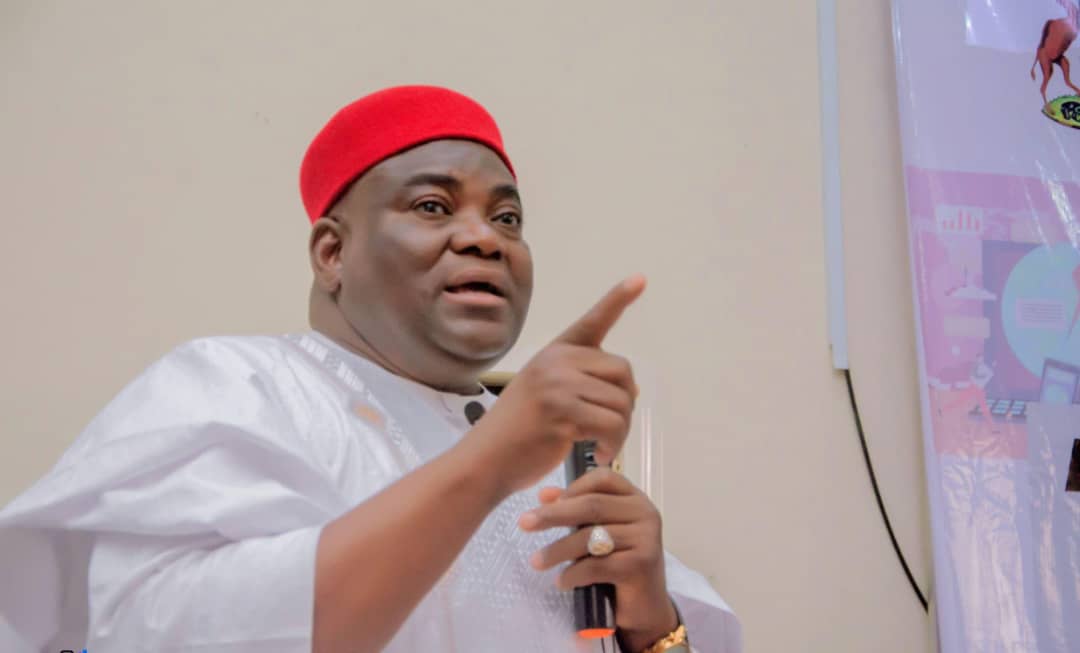
Associations representing Persons with Disabilities (PWDs) in Kano State have commended the Commissioner for Information and Internal Affairs, Comrade Ibrahim Abdullahi Waiya, for his inclusive engagement with disability groups, while calling on the state government to fast-track the implementation and take-off of the Kano State Disability Commission.
The groups also expressed appreciation to Governor Abba Kabir Yusuf for what they described as his commitment to inclusive governance and the welfare of persons with disabilities across the state.
The commendation was contained in a press statement jointly signed by the leadership of the PWD associations on Saturday, in which they said Waiya’s consistent consultations and willingness to engage disability groups had strengthened confidence within the disability community and reflected the administration’s commitment to social justice, inclusion and equal participation.
Despite acknowledging the governor’s commitment to promoting the rights and welfare of persons with disabilities, the associations raised concerns over what they described as inadequate engagement between disability groups and the Ministry of Women Affairs, Children and Persons with Disabilities.
Read Also:
Ganduje Rejects Report Linking Him to Remarks on Kano Funds
According to them, the ministry’s current approach does not fully reflect Governor Yusuf’s vision of inclusion, empowerment and equal participation for persons with disabilities, warning that the situation could undermine the objectives for which the ministry was established.
The associations alleged that recognised disability organisations and umbrella bodies have often been excluded from decision-making processes, policy implementation and the distribution of welfare packages meant for persons with disabilities.
They cited the recent distribution of Eid sacrificial cows donated by Governor Yusuf, alleging that the exercise was not carried out through recognised disability leadership structures as traditionally practised, but was instead distributed to selected individuals based on personal affiliations, a development they said generated dissatisfaction within the disability community.
The groups identified lack of recognition of disability organisations, poor stakeholder engagement, marginalisation of representative bodies and inadequate alignment with the governor’s inclusive governance agenda as major issues requiring urgent government attention.
They therefore called on the Kano State Government to establish a high-powered committee to facilitate the implementation and operational take-off of the Kano State Disability Commission, similar to disability commissions operating in several states across the country.
According to the associations, the commission would provide a dedicated institutional framework for protecting the rights of persons with disabilities, coordinating government interventions, promoting accountability and ensuring effective implementation of disability-inclusive policies across Kano State.
The statement was signed on behalf of the disability community by the Chairman of the PWD Association, Kano State, alongside the cluster heads of various disability groups, including Musa Muhammad Shaga, Chairman of the Joint National Association of Persons with Disabilities (JONAPWD); Abdurrahman Uba Daushe, Chairman of the Spinal Cord Injuries Association, Kano; Musa Muhammad Kura, Chairman of the National Association of the Blind; Salisu Da’u Dawakin Kudu, Chairman of the Lepers Association; Mariya Ishaq, Chairperson of the Albinism Association; Sani Babachanka, Chairman of the Deaf Association; and Yahaya A. Yahaya, Chairman of the Physically Challenged Association.
The associations reaffirmed their commitment to constructive engagement and partnership with the Kano State Government in advancing the rights, welfare and development of persons with disabilities across the state. They also urged the government to sustain its inclusive governance agenda by ensuring that recognised disability organisations are actively involved in policies and programmes affecting their members.

Kano Emirate Crisis: 200 CSOs to Honour CP Bakori for Peace Efforts

2027: ‘It’s Time to Pay Tinubu Back,’ Ganduje Tells Supporters

World Post Day: NIPOST highlights digital postcodes, logistics opportunities in Kano

A4A Appoints Abubakar Aminu Ibrahim as Mobilisation Secretary in Kano

World Post Day: Postal network eyes new opportunities as NIPOST goes digital
ABCOAD Unveils Journal, Bids Farewell to Provost

Nigerian Army Begins DSSC 29/2026 Recruitment, Outlines Eligibility Criteria
2027: NDC Releases Full List of Consensus Candidates in Kano

Gaya Polytechnic Opens Recruitment, Advertises 46 Academic, Non-Academic Positions