Feature
Why Kiru/Bebeji ‘Consensus’ May End in Court


By Abdulmalik Dansoshiya, Kano
The political contest for the Kiru/Bebeji Federal Constituency has continued to generate intense debate within the All Progressives Congress, following the controversial endorsement of Abdulmumin Jibrin Kofa as a purported consensus candidate ahead of the 2027 elections.
What initially appeared to be an internal political arrangement aimed at unifying party stakeholders is now steadily evolving into a legal and procedural controversy capable of reshaping political alignments within the constituency.
At the center of the debate are growing questions surrounding the legitimacy of the endorsement process and whether it conforms with provisions of the Electoral Act 2022 governing consensus candidacies in political parties.
Political observers and legal analysts argue that while consensus arrangements remain a recognised feature of Nigerian politics, the law places strict conditions on how such agreements must emerge. Under Section 84(9) of the Electoral Act, all aspirants who purchased nomination forms are expected to voluntarily withdraw in writing before any candidate can validly emerge through consensus.
Read Also:
All You Need to Know About Kiru Local Government Area
Consensus Deal Emerges in Kano Central as Aspirants Rally Behind Shekarau
Ganduje Clarifies Position on Sanusi, Says Apex Court Will Determine Emirship
In the Kiru/Bebeji situation, however, indications suggest that not all aspirants are aligned with the arrangement. Reports emerging from the constituency indicate that several cleared aspirants have openly identified with Muhammad Sanusi Majidadi Kiru, thereby raising concerns over whether the required legal conditions for consensus have truly been met.
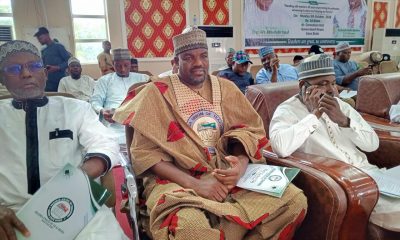
The controversy deepened further following reports surrounding a political meeting held at Babale Suite, where selected stakeholders reportedly endorsed Hon. Kofa in the absence of other aspirants contesting the seat.
While supporters of the arrangement described the meeting as part of efforts to strengthen party unity, critics insist the process lacked inclusiveness and transparency. Allegations that financial inducements may have influenced the endorsement process have also surfaced in political discussions surrounding the matter, although no official investigation or independent verification has been made public.
The unfolding situation has equally exposed widening political divisions within sections of the APC structure in the constituency, especially amid reports of strained relationships between supporters of Hon. Kofa and key political figures believed to be sympathetic to rival interests.
Analysts note that the emergence of sharp public exchanges and political hostilities could further complicate efforts toward reconciliation, particularly in a contest where consensus legally depends on voluntary cooperation among aspirants.
Beyond the immediate political calculations, the development is also drawing attention to the increasing role of legal interpretation in Nigeria’s internal party politics. Observers believe the Kiru/Bebeji situation may eventually test the limits of consensus arrangements under the Electoral Act if disagreements persist.
There are also growing calls from stakeholders for intervention by senior political leaders within Kano State to prevent the situation from degenerating into prolonged intra-party litigation capable of weakening the APC’s chances in the constituency ahead of the 2027 elections.
For now, uncertainty continues to surround the fate of the alleged consensus arrangement, with political watchers insisting that any unresolved dispute may ultimately be decided, not at political meetings, but in the courtroom.

Kano emirate dispute: CSOs urge Tinubu to prevent escalation

Let the Renewed Hope Story be Heard: Tinubu’s Appointees from the North Must Take the Message to the Grassroot

FG Announces 30-day petrol discount, gives priority to public transporters

MHWUN backs efforts to reduce zero-dose children in Kano

Kano emirate dispute: Abba, Bayero’s senior counsellor meet in Abuja
ABCOAD Unveils Journal, Bids Farewell to Provost

Nigerian Army Begins DSSC 29/2026 Recruitment, Outlines Eligibility Criteria
2027: NDC Releases Full List of Consensus Candidates in Kano

Gaya Polytechnic Opens Recruitment, Advertises 46 Academic, Non-Academic Positions