News
Kukah Warns Against Labeling Nigeria a Country of Concern, Cites Tinubu’s Inclusive Leadership


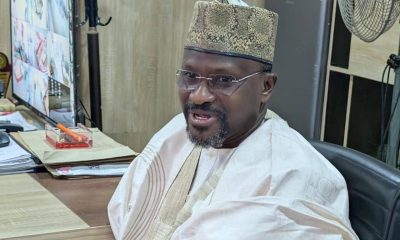
The Catholic Archbishop of Sokoto Diocese, Matthew Kukah, has cautioned against renewed moves to designate Nigeria as a “Country of Particular Concern” over alleged religious persecution, warning that such action would undermine peace efforts and embolden extremists.Kukah made the appeal on Tuesday in Vatican City during the unveiling of the Aid to the Church in Need’s 2025 World Report on Religious Freedom.
In his address, Kukah said that while impunity and persecution still persist in parts of Nigeria, the administration of President Bola Tinubu has demonstrated genuine signs of inclusion that should be encouraged rather than sanctioned.
Read Also:
Trump’s Adviser Dismisses Allegations of Christian Genocide in Nigeria
“Acts of impunity still persist, but it is my view that redesignating Nigeria a Country of Concern will hurt the initiatives we are working on with the current government,” Kukah said.
“Designating my country, Nigeria, a Country of Concern will only make our work in the area of dialogue among religious leaders in our country and elsewhere with the Nigerian state even harder. It will only increase tensions, sow doubt, open windows of suspicion and fear, and simply allow the criminals and perpetrators of violence to exploit,” he added.
The Catholic Bishop’s remarks come amid renewed debate over whether Nigeria should be reinstated on the U.S. State Department’s list of “Countries of Particular Concern” for religious freedom violations.
The designation, first made in 2020 under former U.S. President Donald Trump, was later removed by President Joe Biden in 2021—a decision that has continued to attract both praise and criticism from international observers and religious groups.
Kukah urged foreign powers, especially the United States, to support Nigeria’s ongoing peace-building efforts rather than impose punitive measures that could derail dialogue between Christian and Muslim communities.
He noted that the Tinubu administration has taken deliberate steps to rebuild trust through inclusive governance, appointments, and gestures that promote unity.

Advert
“The President and the Vice President are Muslims, yet Christians have not felt alienated,” he said, noting that “the Chief of General Staff of the Nigerian Army, the Director of State Security Services, among others, are Christians,” and that “the President just appointed a Christian as the leader of the ruling party.”
According to Kukah, these steps, though not perfect, represent “confidence-building measures aimed at inspiring citizens’ sense of belonging.”
In contrast, he accused the previous administration under Muhammadu Buhari of worsening interfaith relations and enabling extremist ideologies through divisive policies and appointments.
“The last eight years of the Buhari administration marked the worst phase in the history of interfaith relations in Nigeria,” Kukah said. “That administration gave oxygen to jihadists by virtue of its policies, which overtly favoured Islam and northern Nigeria.”
He expressed cautious optimism that Nigeria, though still struggling with insecurity and social division, could recover through Tinubu’s inclusive approach if supported by local and international partners.
“Our situation is far from perfect. We are still in a bad place, but there are signs of a government willing to listen,” the cleric concluded.

World Post Day: Postal network eyes new opportunities as NIPOST goes digital

Kano family seeks urgent help after five children die in seven days

Kano emirate dispute: CSOs urge Tinubu to prevent escalation

Let the Renewed Hope Story be Heard: Tinubu’s Appointees from the North Must Take the Message to the Grassroot

FG Announces 30-day petrol discount, gives priority to public transporters
ABCOAD Unveils Journal, Bids Farewell to Provost

Nigerian Army Begins DSSC 29/2026 Recruitment, Outlines Eligibility Criteria
2027: NDC Releases Full List of Consensus Candidates in Kano

Gaya Polytechnic Opens Recruitment, Advertises 46 Academic, Non-Academic Positions