Agriculture
Food Waivers Threaten Northern Agriculture, Says Wali


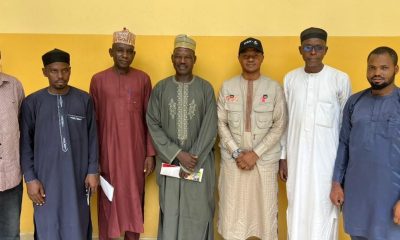
Veteran labour leader and development advocate, Comrade Mustapha Nuhu Wali, mni, has warned that the Federal Government’s decision to grant ₦97 billion worth of duty waivers on imported food could have devastating effects on Northern Nigeria’s agricultural economy.
In a statement issued on Friday in Kano, Wali described the policy as a “short-term political fix” that undermines decades of resilience, self-reliance, and investment in the region’s agricultural sector.
He said while the initiative may temporarily reduce food prices in urban centres like Lagos and Abuja, it has already triggered economic hardship among farmers in the North, particularly in states such as Kano, Sokoto, Zaria, Borno, and Benue.
Read Also:
Wali Hosts Annual Maulud, Calls for Unity, Prayers and Emulation of Prophet’s Virtues
“Farmers already struggling with insecurity, high costs of fertilizer and fuel, now face unprofitable markets as cheap imports flood the nation,” he said.
Wali compared the policy to Nigeria’s past economic missteps, including the 1986 Structural Adjustment Programme and the rice import era of the 2000s, arguing that both weakened local capacity and increased dependency on imports.
He expressed concern that many Northern states had failed to invest their increased federal allocations from fuel subsidy removal in revitalising agriculture. “Dams and irrigation systems such as Tiga, Bagauda, and Danbatta in Kano have deteriorated, while similar facilities in Sokoto, Kebbi, and Borno remain in disrepair,” he lamented.
According to Wali, only Niger State has announced a meaningful agricultural revitalisation programme. He also noted that without continuity, gains from the Buhari-era Anchor Borrowers’ Programme and rice initiatives are fast eroding.
Beyond crops, Wali highlighted the neglect of livestock management and grazing reserves, saying it has worsened communal clashes in states such as Benue, Jos, and Kogi. While commending the creation of a Federal Ministry of Livestock Development, he said the effort would remain symbolic without collaboration and investment from Northern governors.
He warned of the social consequences of agricultural decline, including youth migration, unemployment, and rising insecurity. “Many young Northerners have become trapped in menial and undignified jobs in southern cities, while Almajiri children and youth gangs continue to pose a growing threat to social stability,” he stated.
Wali urged the Arewa Consultative Forum (ACF) and other regional institutions to revive their historical roles by promoting regional accountability and mobilising collective action for economic revival.

Advert
“The North must reclaim its legacy through irrigation renewal, quality education, youth empowerment, and improved security,” he stressed.
He called on the Federal Government to reconsider the food import waiver and instead channel efforts into empowering local farmers, expanding irrigation networks, and supporting agro-industrial value chains.
“Without this shift, Nigeria risks turning its most fertile region into an economic wasteland and the North’s greatest asset into its deepest vulnerability,” Wali concluded.
Why The Sun will honour Ganduje with lifetime achievement award

Idris assures NIPR of FG support for 2026 World PR forum
NECO releases 2026 SSCE results, 58.67% record five credits including English, Maths

Pantami’s PDP ticket nullified as court orders fresh Gombe primary

Ganduje calls for commitment to nation-building, democratic sustainability
ABCOAD Unveils Journal, Bids Farewell to Provost

Nigerian Army Begins DSSC 29/2026 Recruitment, Outlines Eligibility Criteria
2027: NDC Releases Full List of Consensus Candidates in Kano

Gaya Polytechnic Opens Recruitment, Advertises 46 Academic, Non-Academic Positions