Kano
AHIP equips female cross-border traders with migration, business skills

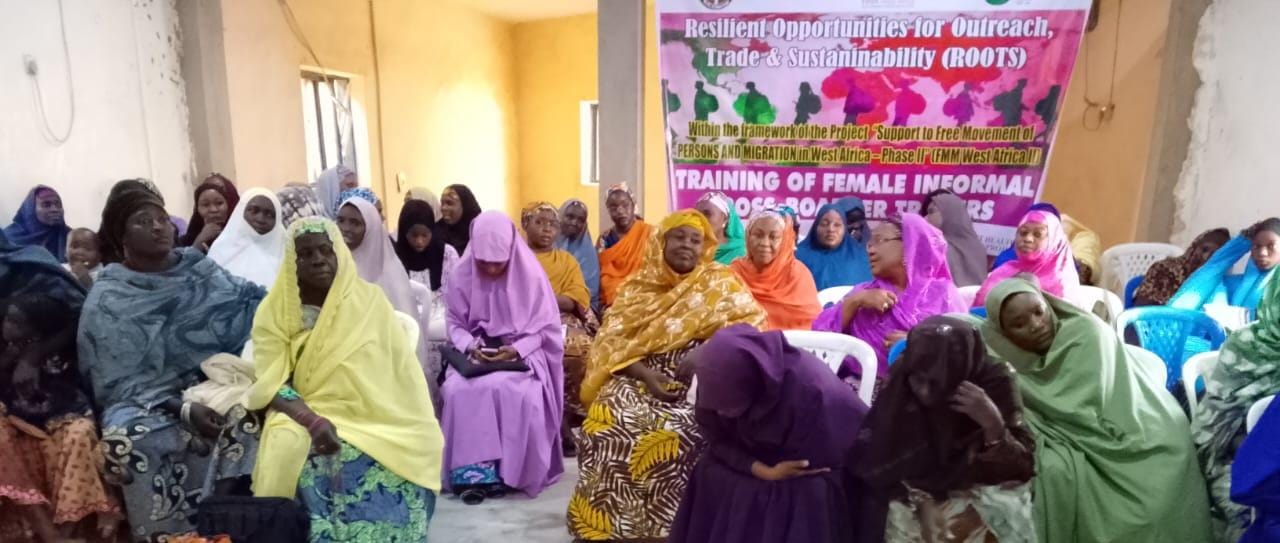
The Adolescent Health and Information Projects (AHIP) has equipped female informal cross-border traders with knowledge of safe and legal migration, travel documentation, border procedures and business opportunities across West Africa.
The training, organised to strengthen the capacity of women engaged in cross-border trade, also focused on helping participants understand their rights, interact appropriately with security personnel and avoid the risks associated with irregular migration.
Speaking during the training, DSI Muhammad Auwal Hassan, spokesperson for the Nigeria Immigration Service (NIS), Kano State Command, said the session was aimed at sensitising women traders to the difference between legal and irregular migration.
Hassan said travelling for business was not an offence but stressed the need for traders to comply with the requirements governing international movement, particularly by obtaining valid travel documents.
Read Also:
World Teachers’ Day: Kano NUT demands salary parity, GL 16 for senior teachers
‘Leadership must touch lives’: Kano Imam tasks leaders, lawmakers on campaign promises
Irregular migration: Aremu says job creation can reduce youth exodus
He urged the participants to ensure that their documentation was complete and that they used officially recognised routes when travelling between countries.
Trainees
According to him, women and other travellers should avoid irregular routes because of the dangers associated with unauthorised migration channels, including hazardous journeys through the Sahara.
He explained that the training was particularly relevant to women who engage in cross-border movement and trade, as they need to understand the procedures governing legitimate travel.
Hassan also highlighted the importance of cross-border relationships within West Africa, noting that communities across the region have longstanding family, social and economic ties, including marriages and other forms of interaction.
He said that while there had been changes involving ECOWAS membership, existing relationships among communities in the region continued to facilitate social and economic interaction.
Hassan urged the women who participated in the training to apply the knowledge they had acquired and ensure that their activities complied with the laws and regulations of the countries they visited.
One of the participants, Fauziya Aminu Abdulsalam, said the training had provided her with useful knowledge on how women engaged in business should conduct themselves when crossing international borders.
Abdulsalam said the participants learned how to interact with security personnel and present themselves appropriately to minimise the risk of harassment.
“I learned so many things, like how we women should be handling our business when you are crossing the border, how to mix with security there, and you should know how to present yourself to avoid yourself from harassment,” she said.
She said the knowledge acquired would be useful to women engaged in both individual and family businesses, particularly those who frequently travel across borders.
Abdulsalam added that many women involved in cross-border trade were previously unaware of some of the procedures and requirements associated with international movement.
She said the training had therefore provided participants with practical information that could help them manage their businesses more effectively.
Also speaking, Maryam Kabir, Director of CT Trade and Procurement Service Limited, said the training had increased her understanding of the rights and requirements of women travelling outside Nigeria for business.
Kabir said she learned the importance of completing the necessary documentation before travelling to conduct business outside the country, including obtaining an international passport or an ECOWAS travel certificate where applicable.
She said the training also exposed participants to opportunities for networking and expanding their businesses within Nigeria and across West Africa.
According to her, the knowledge would enable women traders to better understand the requirements for conducting legitimate business outside Nigeria.
Kabir also noted that social and economic connections between Nigeria and other West African countries remained important for traders, despite changes affecting ECOWAS membership.
She said the training had opened her eyes to opportunities for networking and business expansion while helping participants better understand the procedures for travelling and conducting business across borders.
Kabir, however, called for increased government support for businesses involved in cross-border trade, particularly in addressing insecurity and border-related challenges.
She also expressed concern about the difficulties faced by Nigerian migrants while staying outside the country, calling for greater attention to their welfare and protection.
According to her, stronger government intervention and improved support mechanisms would help create a safer and more enabling environment for Nigerians engaged in legitimate cross-border trade.
The training provided participating women with practical knowledge of travel documentation, legal migration channels, border procedures, security awareness and business opportunities, with the aim of helping them conduct cross-border activities more safely and within the law.
AHIP Equips Female Cross-Border Traders With Migration, Business Skills
The Adolescent Health and Information Projects (AHIP) has equipped female informal cross-border traders with knowledge of safe and legal migration, travel documentation, border procedures and business opportunities across West Africa.
The training, organised to strengthen the capacity of women engaged in cross-border trade, also focused on helping participants understand their rights, interact appropriately with security personnel and avoid the risks associated with irregular migration.
Speaking during the training, DSI Muhammad Auwal Hassan, spokesperson for the Nigeria Immigration Service (NIS), Kano State Command, said the session was aimed at sensitising women traders to the difference between legal and irregular migration.
Hassan said travelling for business was not an offence but stressed the need for traders to comply with the requirements governing international movement, particularly by obtaining valid travel documents.
He urged the participants to ensure that their documentation was complete and that they used officially recognised routes when travelling between countries.
According to him, women and other travellers should avoid irregular routes because of the dangers associated with unauthorised migration channels, including hazardous journeys through the Sahara.
He explained that the training was particularly relevant to women who engage in cross-border movement and trade, as they need to understand the procedures governing legitimate travel.
Hassan also highlighted the importance of cross-border relationships within West Africa, noting that communities across the region have longstanding family, social and economic ties, including marriages and other forms of interaction.
He said that while there had been changes involving ECOWAS membership, existing relationships among communities in the region continued to facilitate social and economic interaction.
Hassan urged the women who participated in the training to apply the knowledge they had acquired and ensure that their activities complied with the laws and regulations of the countries they visited.
One of the participants, Fauziya Aminu Abdulsalam, said the training had provided her with useful knowledge on how women engaged in business should conduct themselves when crossing international borders.
Abdulsalam said the participants learned how to interact with security personnel and present themselves appropriately to minimise the risk of harassment.
“I learned so many things, like how we women should be handling our business when you are crossing the border, how to mix with security there, and you should know how to present yourself to avoid yourself from harassment,” she said.
She said the knowledge acquired would be useful to women engaged in both individual and family businesses, particularly those who frequently travel across borders.
Abdulsalam added that many women involved in cross-border trade were previously unaware of some of the procedures and requirements associated with international movement.
She said the training had therefore provided participants with practical information that could help them manage their businesses more effectively.
Also speaking, Maryam Kabir, Director of CT Trade and Procurement Service Limited, said the training had increased her understanding of the rights and requirements of women travelling outside Nigeria for business.
Kabir said she learned the importance of completing the necessary documentation before travelling to conduct business outside the country, including obtaining an international passport or an ECOWAS travel certificate where applicable.
She said the training also exposed participants to opportunities for networking and expanding their businesses within Nigeria and across West Africa.
According to her, the knowledge would enable women traders to better understand the requirements for conducting legitimate business outside Nigeria.
Kabir also noted that social and economic connections between Nigeria and other West African countries remained important for traders, despite changes affecting ECOWAS membership.
She said the training had opened her eyes to opportunities for networking and business expansion while helping participants better understand the procedures for travelling and conducting business across borders.
Kabir, however, called for increased government support for businesses involved in cross-border trade, particularly in addressing insecurity and border-related challenges.
She also expressed concern about the difficulties faced by Nigerian migrants while staying outside the country, calling for greater attention to their welfare and protection.
According to her, stronger government intervention and improved support mechanisms would help create a safer and more enabling environment for Nigerians engaged in legitimate cross-border trade.
The training provided participating women with practical knowledge of travel documentation, legal migration channels, border procedures, security awareness and business opportunities, with the aim of helping them conduct cross-border activities more safely and within the law.

FG Announces 30-day petrol discount, gives priority to public transporters

MHWUN backs efforts to reduce zero-dose children in Kano

Kano emirate dispute: Abba, Bayero’s senior counsellor meet in Abuja

Gaya Poly gets permanent site C of O, moves closer to full take-off

Horse ride: Kano CP commends emir Bayero for respecting security directives
ABCOAD Unveils Journal, Bids Farewell to Provost
Nigerian Army Begins DSSC 29/2026 Recruitment, Outlines Eligibility Criteria
2027: NDC Releases Full List of Consensus Candidates in Kano

Gaya Polytechnic Opens Recruitment, Advertises 46 Academic, Non-Academic Positions