
Education
Kano Assembly replaces 62-year-old education law


The Kano State House of Assembly has passed the Kano State Education Bill 2026, paving the way for a new legal framework aimed at revitalising the state’s education sector and addressing emerging needs across different levels of learning.
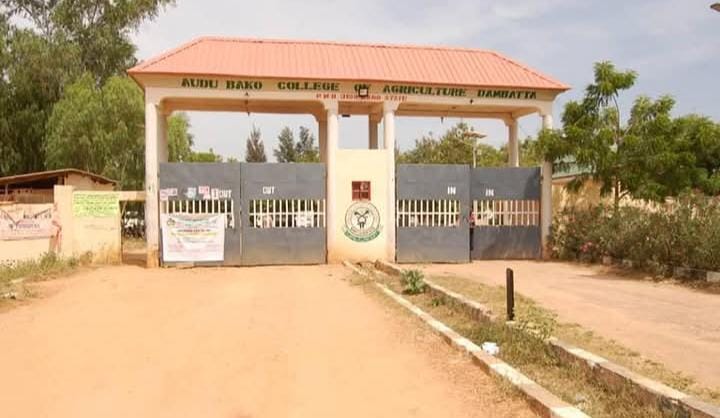
The legislation, which repeals the long-standing Education Law of 1964, was passed alongside the Audu Bako College of Agriculture, Science and Technology, Dambatta Amendment Bill 2026 during plenary presided over by the Speaker, Jibril Isma’il Falgore.
Presenting the Education Bill, the Majority Leader and Member representing Dala Constituency, Lawan Husaini, said the proposed law would provide a comprehensive framework for the sustainable development and regulation of education in Kano State.
According to him, the legislation brings the state’s education laws in line with contemporary realities by clearly defining the structure of upper and lower basic education and providing for the expansion of science and technology education at various levels.
Read Also:
No Vacancy at Villa Until 2031, Mariya Bunkure Tells APC Supporters
Husaini explained that the new law also sets out guidelines for the establishment and operation of educational institutions, including private, nursery and primary schools.
He added that the legislation clearly defines the powers, jurisdiction and responsibilities of the Commissioner for Education in regulating educational institutions across the state.
The Majority Leader described the repeal of the 1964 law as a significant step towards providing the state with a modern legal foundation for managing and developing its education system.
Meanwhile, the Assembly also passed the Audu Bako College of Agriculture, Science and Technology, Dambatta Amendment Bill 2026.
Explaining the amendment, Husaini said it formally changes the institution’s name to reflect its expanded educational mandate beyond its traditional focus on agriculture.
He said the amendment would provide the legal basis for the college to introduce science and technology programmes and seek approval and accreditation from the National Board for Technical Education (NBTE), alongside its existing agricultural programmes.
The amendment is expected to broaden the academic scope of the institution and strengthen its capacity to offer programmes in areas beyond agriculture.
The passage of the two bills marks another legislative step towards restructuring aspects of Kano’s education sector, particularly in response to the growing demand for science, technology and broader technical education.
Following the plenary, the House adjourned its sitting until Monday, September 14, 2026.

Tinubu’s Kaduna Campaign Eve: Dan’agundi leads thousands of supporters to governor Uba Sani in Massive show of solidarity

Gwarzo’s exclusion: NDC races against time as INEC deadline nears

2027: Mariya Bunkure takes key women affairs role in Kano APC campaign

2027: Kano Governor Names Former Education Commissioner Kiru Campaign Spokesperson II

Sa’adatu Rimi College of Education Hosts NCCE Training as Experts Push Practical Agricultural Education
ABCOAD Unveils Journal, Bids Farewell to Provost

Nigerian Army Begins DSSC 29/2026 Recruitment, Outlines Eligibility Criteria
2027: NDC Releases Full List of Consensus Candidates in Kano

Gaya Polytechnic Opens Recruitment, Advertises 46 Academic, Non-Academic Positions