National
FG to scrap JSS-SSS separation over 20 million school dropouts

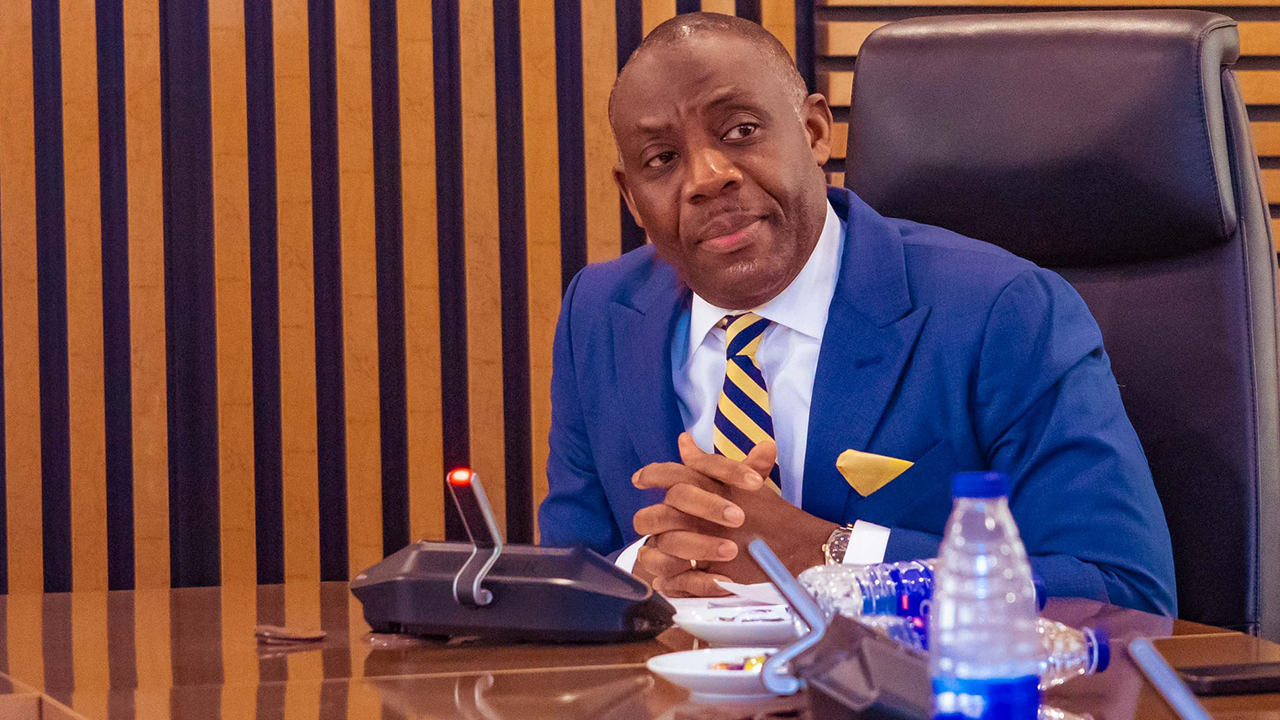
The Federal Government has announced plans to phase out the policy separating Junior Secondary Schools (JSS) from Senior Secondary Schools (SSS), following concerns that the arrangement has contributed to the growing number of out-of-school children across the country.
The Minister of Education, Dr. Tunji Alausa, disclosed this on Tuesday in Abuja during the inauguration of the Universal Basic Education Commission (UBEC) Ministerial Implementation and Monitoring Committee.
According to the minister, recent data revealed that more than 20 million pupils dropped out of school before progressing from primary education to the junior secondary level, prompting the government to review the existing policy.
Alausa explained that the “disarticulation policy,” which requires junior and senior secondary schools to operate separately under different principals and facilities, had failed to achieve its intended objectives.
Read Also:
Kano launches 2026–2030 rural development plan at state summit
JAMB abolishes degree admissions in colleges of education, makes NCE sole entry route
KSP Partners JOSTUM to Offer PGD Courses in Management, Social Sciences
“We have 20 million dropouts from primary school to JSS. Where are those students? We also found we have about 80,000 public primary schools and only about 15,000 junior secondary schools. That’s a one-to-eight ratio,” he said.
The minister noted that the imbalance has resulted in overcrowded junior secondary schools while many senior secondary schools remain underutilised, citing Kaduna and several northern states as examples.
“This disarticulation policy has failed. We will phase it out. We cannot continue creating administrative positions at the expense of the education system. Our priority is to do what is best for every Nigerian child,” Alausa stated.
He disclosed that the proposal to abolish the policy would be presented at the next meeting of the National Council on Education for consideration.
The minister said the planned reform is aimed at improving access to education, increasing transition rates between school levels and enhancing learning outcomes nationwide.
He assured Nigerians of the government’s commitment to addressing long-standing challenges in the education sector.
“This government will not fail. We are fixing it,” he added.
At the event, Alausa also inaugurated a committee chaired by Prof. Rashid Aderinoye to oversee the implementation of UBEC-funded Smart Schools, Bilingual Schools and Alternative Schools across the country.
He explained that the committee would ensure that the projects are completed, handed over to state governments and opened for academic activities.
The minister lamented that although UBEC had invested in hundreds of such schools nationwide, many remain incomplete or have yet to admit students, describing the situation as a waste of public resources.
Nigeria continues to face one of the world’s largest out-of-school children crises, with millions of school-age children, particularly in rural and conflict-affected communities, still lacking access to quality education.
Education experts have consistently called for greater investment in functional schools, qualified teachers and improved access to ensure completed educational facilities effectively serve their intended purpose.

Kano emirate dispute: CSOs urge Tinubu to prevent escalation

Let the Renewed Hope Story be Heard: Tinubu’s Appointees from the North Must Take the Message to the Grassroot

FG Announces 30-day petrol discount, gives priority to public transporters

MHWUN backs efforts to reduce zero-dose children in Kano

Kano emirate dispute: Abba, Bayero’s senior counsellor meet in Abuja
ABCOAD Unveils Journal, Bids Farewell to Provost

Nigerian Army Begins DSSC 29/2026 Recruitment, Outlines Eligibility Criteria
2027: NDC Releases Full List of Consensus Candidates in Kano

Gaya Polytechnic Opens Recruitment, Advertises 46 Academic, Non-Academic Positions