
Connect with us
Experts and scholars from across Nigeria have called for urgent reforms and sustainable practices in the leather industry to tackle environmental pollution and unlock the sector’s...
Public polytechnics across Nigeria may soon be thrown into another round of industrial unrest as the Academic Staff Union of Polytechnics (ASUP) has issued the Federal...







Lionel Messi has announced his retirement from international football with Argentina after earning 207 caps for the national team. Messi,...

Ahmad Hamisu Gwale The resignation of Alhaji Ibrahim Musa Gusau as President of the Nigeria Football Federation (NFF) after three...

Nigeria Football Federation (NFF) President Ibrahim Musa Gusau has resigned from his position amid mounting pressure over the state of...
There are strong indications that Dominic Iorfa is preparing to contest for the presidency of the Nigeria Football Federation (NFF)...


New Barau Football Club signing, Alkasim Muhammad, has pledged to give his best to help the team achieve success at...
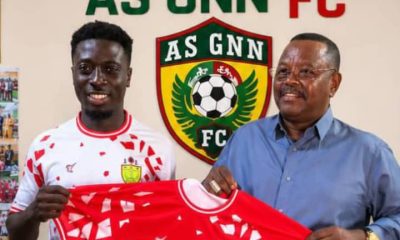

Former Barau Football Club midfielder Nana Kwame Abraham has completed a move to Niger Super Ligue side AS GNN (Association...

Nigeria’s Super Falcons will face Senegal Women’s National Football Team in a double-header international friendly during the June FIFA women’s...
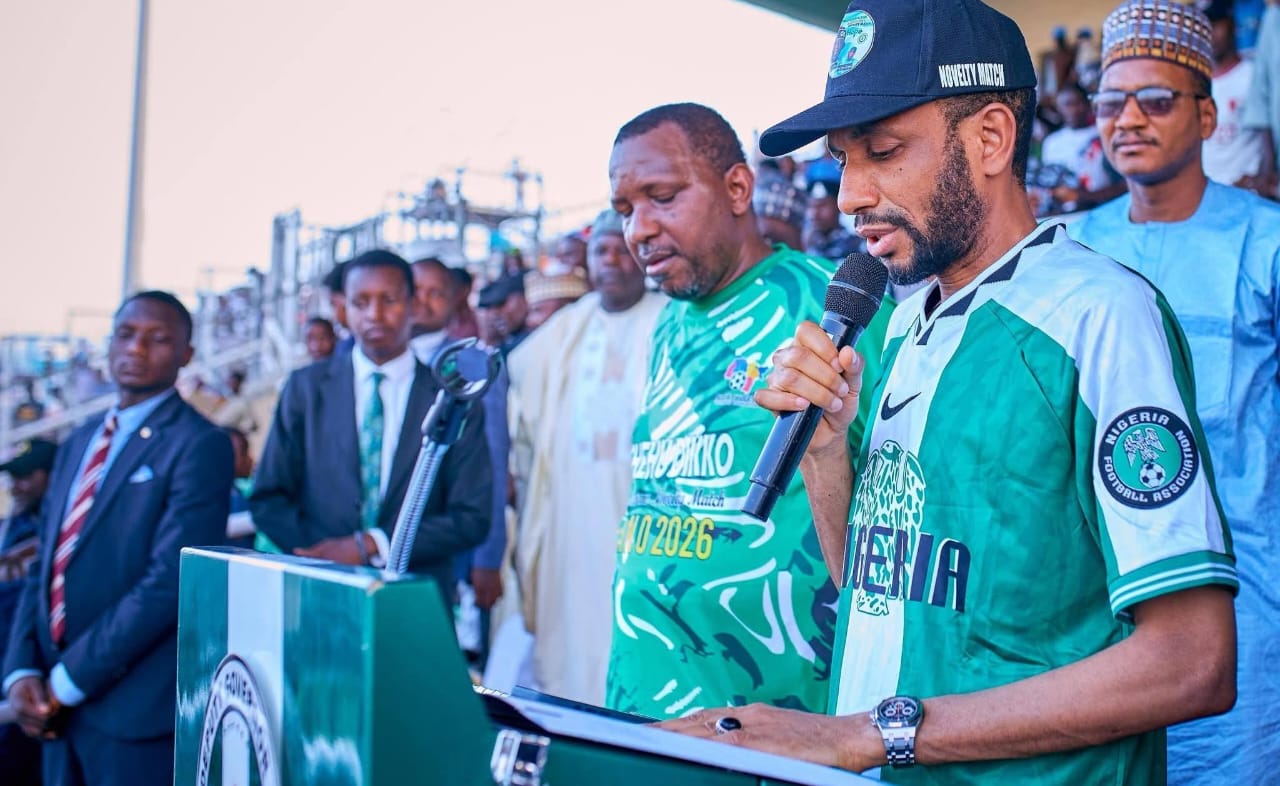
By Umar Idris Shuaibu, Kano The Kano State Government has described sports as an emerging instrument for national unity, youth...

Barau FC delivered a commanding performance to defeat Chanji FC 4–0 in the semi-final of the 2026 Kano State Federation...
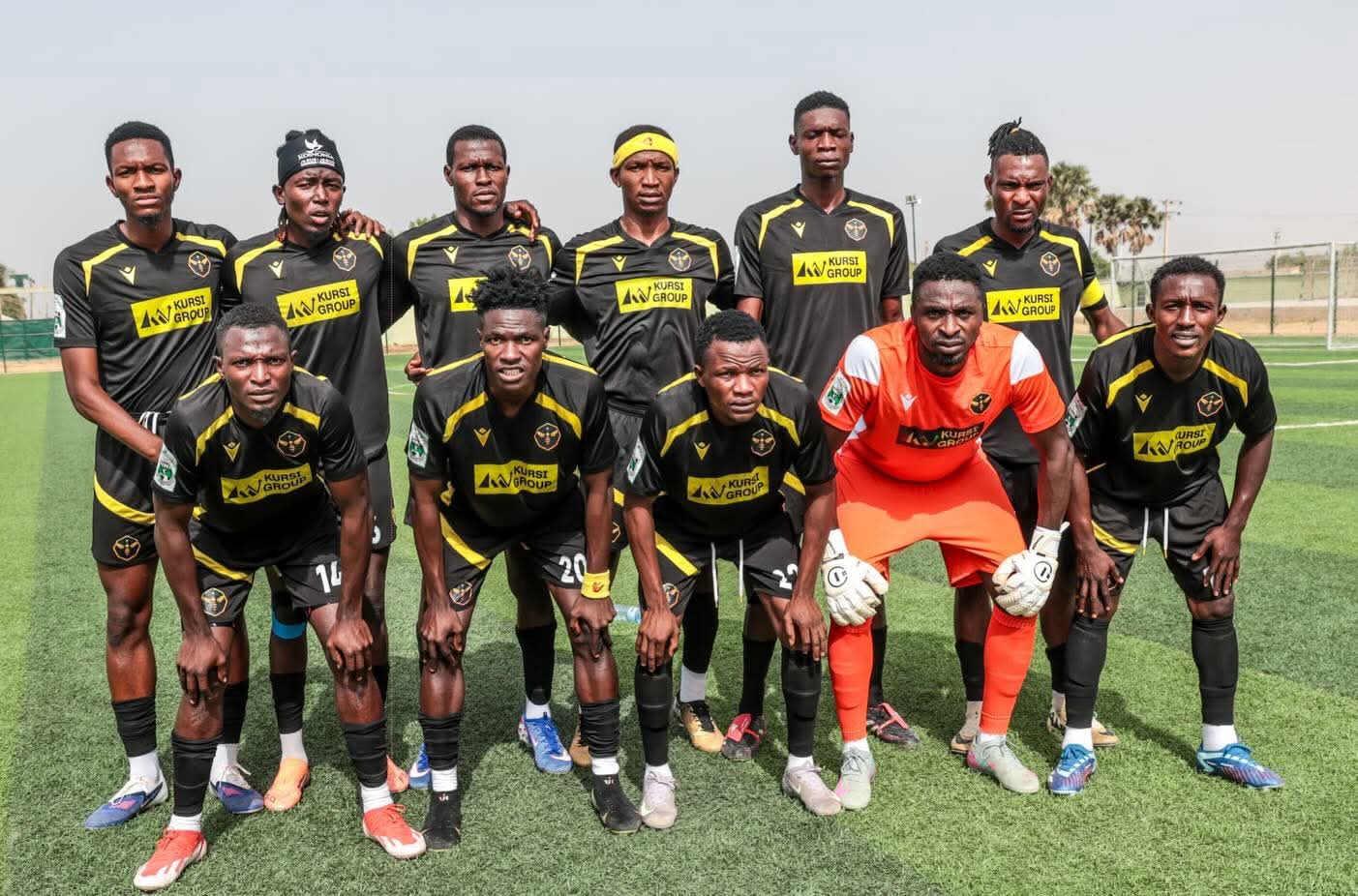
Ranchers Bees FC have officially secured their place in the Nigeria Premier Football League (NPFL) for the 2026/2027 season. The...
The Federal Accounts Allocation Committee (FAAC) has shared N2.33 trillion among the Federal Government, states and local government councils for...
The Federal Government, 36 states and 774 local government councils shared a total of N3.007 trillion in revenue generated in...

The Nigerian Agricultural Insurance Corporation (NAIC) participated in the India-Nigeria Trade Forum on Agriculture and Allied Sectors held on Thursday,...

The Federal Capital Territory Administration (FCTA) has urged investors to explore emerging development corridors and satellite towns across Abuja, saying...

The world’s richest man and Chief Executive Officer of Tesla and SpaceX, Elon Musk, has predicted that money could become...
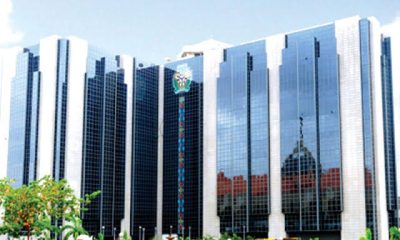

A coalition of civil society organisations has expressed deep concern over the revocation of the operating licences of 46 Microfinance...

Federation oil earnings from the Nigerian National Petroleum Company Limited Production Sharing Contract (PSC) profit distribution declined by N78.71bn in...
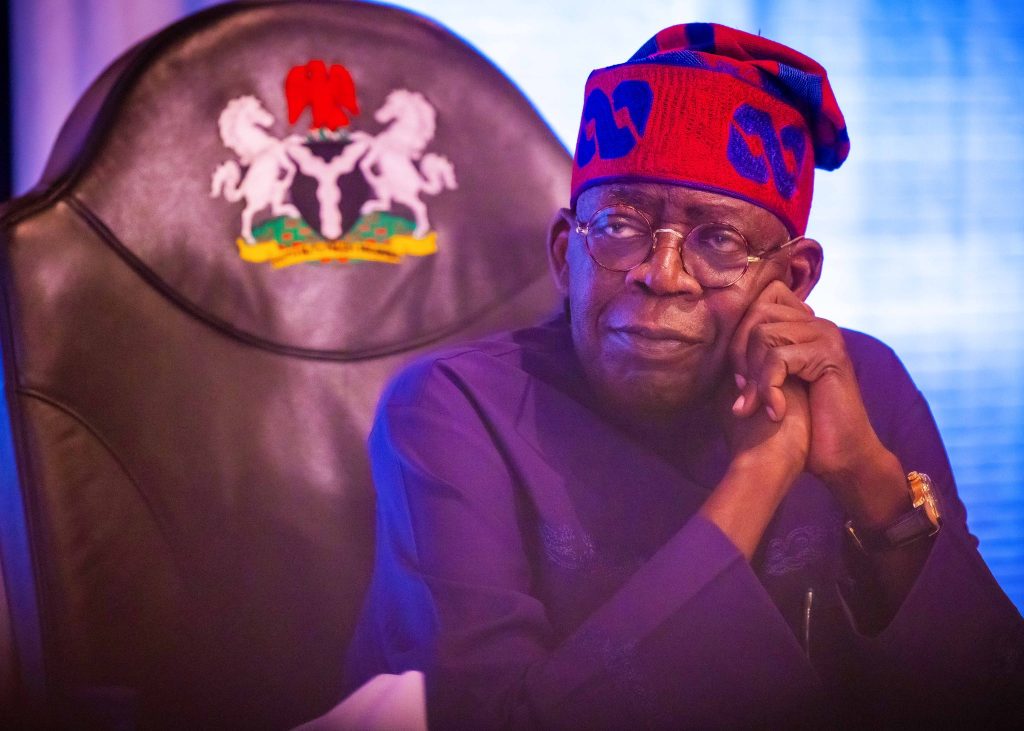
The administration of President Bola Ahmed Tinubu is advancing plans to secure a fresh $1.25 billion loan from the World...

The World Bank has called on the Nigerian government to reopen the petrol market to competition by reinstating import licences,...
By Umar Idris Shuaibu The West African Examinations Council (WAEC) has announced the release of the 2026 First Series Computer-Based...