National
Billions Flow as Gowon Unveils Tell-All Memoir in Abuja

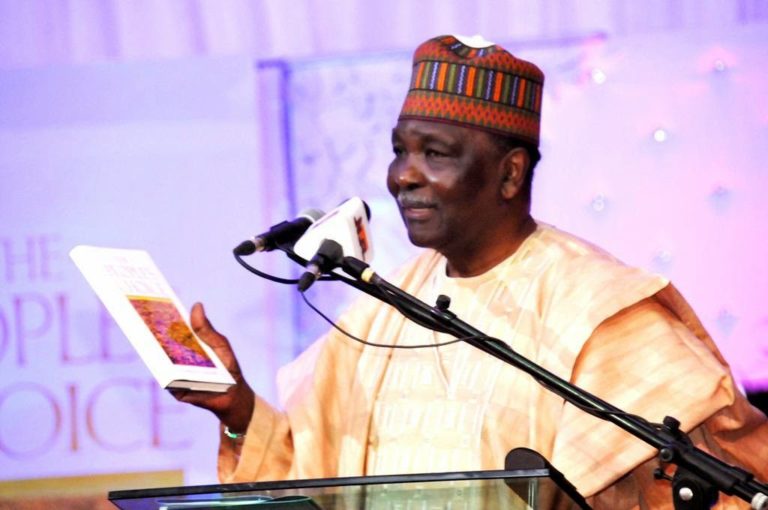
Former Head of State, General Yakubu Gowon, on Tuesday unveiled his memoir, My Life of Duty and Allegiance, at a high-profile ceremony in Abuja attended by prominent political, military, and business leaders.
The event drew notable dignitaries, including former Head of State, General Abdulsalami Abubakar, former President Goodluck Jonathan, and Vice President Kashim Shettima, who represented President Bola Ahmed Tinubu.
Former Defence Minister, General Theophilus Yakubu Danjuma, launched the memoir with a donation of ₦3 billion for copies to be distributed to the 20 universities that awarded Gowon honorary doctorate degrees. Africa’s richest man, Aliko Dangote, also purchased copies worth ₦500 million in support of the project.
The memoir was reviewed by Bishop of the Sokoto Catholic Diocese, Matthew Hassan Kukah, while Gowon described the publication as an effort to set the record straight on major historical events in Nigeria, particularly the circumstances surrounding the Nigerian Civil War.
Read Also:
Coups, Counter-Coups and the Cost to Nigeria
Between Discipline and Dissent: Musa Bamaiyi and the Burden of Command
At 50 Years, Murtala’s Legacy Still Outpaces Many Governments
In the book, Gowon recounted tensions within the military hierarchy following the January 1966 coup, revealing that some Northern military officers believed the then Eastern Region Governor, Chukwuemeka Odumegwu Ojukwu, was complicit in the coup and wanted action taken against him.
Gowon explained that despite pressures and disagreements over military seniority, he chose to retain Ojukwu in office in what he described as an altruistic decision aimed at preserving unity and stability. According to him, Ojukwu rejected his leadership and insisted that Brigadier Babafemi Ogundipe, who was senior in rank, should have succeeded General Johnson Aguiyi-Ironsi.
The former Head of State also disclosed that he prevented attempts by Northern officers to move against Ojukwu, stressing that he viewed him as a colleague with whom he hoped to rebuild the country after the crisis.
Ojukwu later declared the secession of Biafra in May 1967, leading to a 30-month civil war that ended in January 1970 following the surrender of Biafra.

Kano emirate dispute: CSOs urge Tinubu to prevent escalation

Let the Renewed Hope Story be Heard: Tinubu’s Appointees from the North Must Take the Message to the Grassroot

FG Announces 30-day petrol discount, gives priority to public transporters

MHWUN backs efforts to reduce zero-dose children in Kano

Kano emirate dispute: Abba, Bayero’s senior counsellor meet in Abuja
ABCOAD Unveils Journal, Bids Farewell to Provost
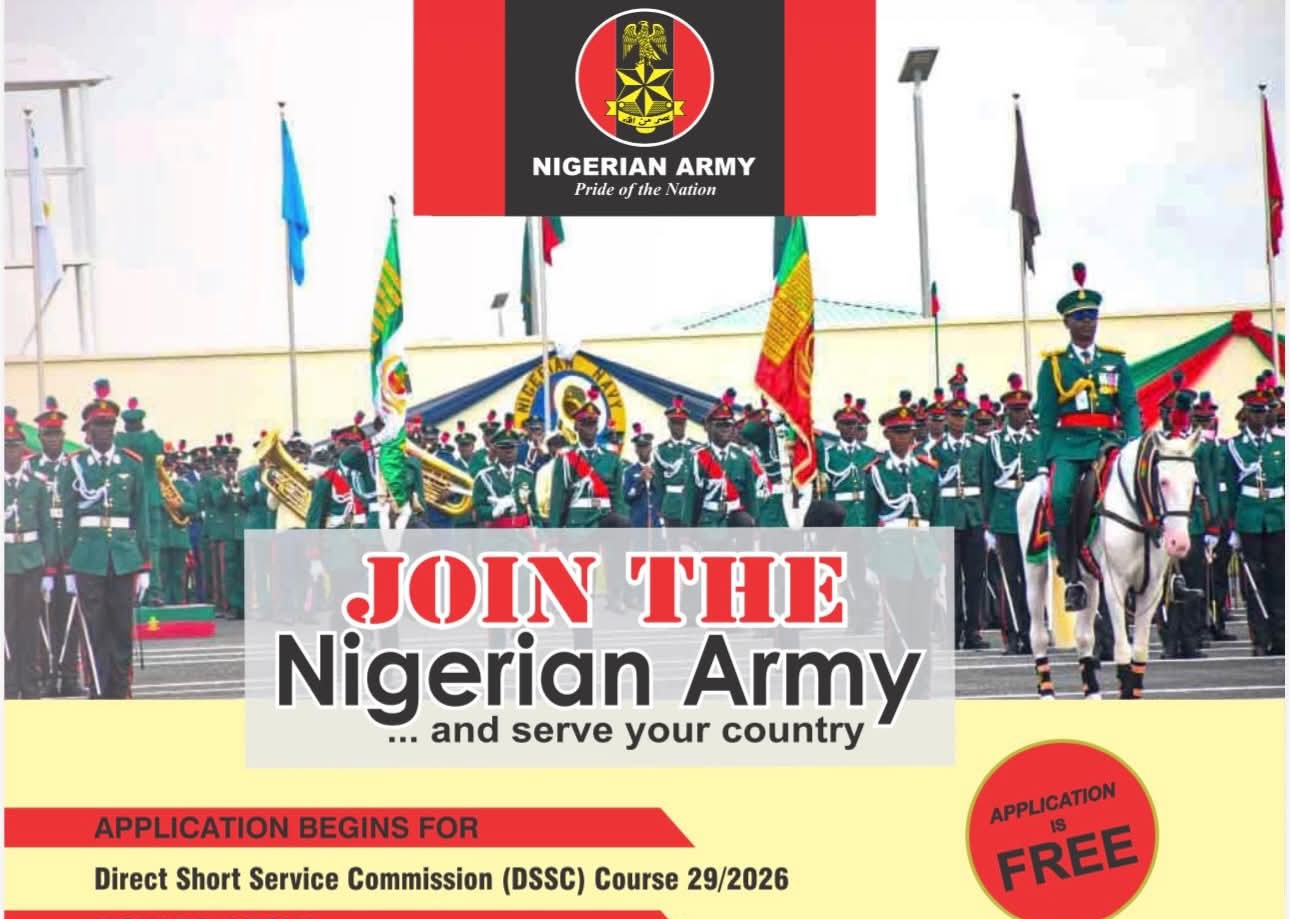
Nigerian Army Begins DSSC 29/2026 Recruitment, Outlines Eligibility Criteria
2027: NDC Releases Full List of Consensus Candidates in Kano

Gaya Polytechnic Opens Recruitment, Advertises 46 Academic, Non-Academic Positions