Education
Kano Mass Education Agency Trains 44 LGA Coordinators To Transform Adult Learning

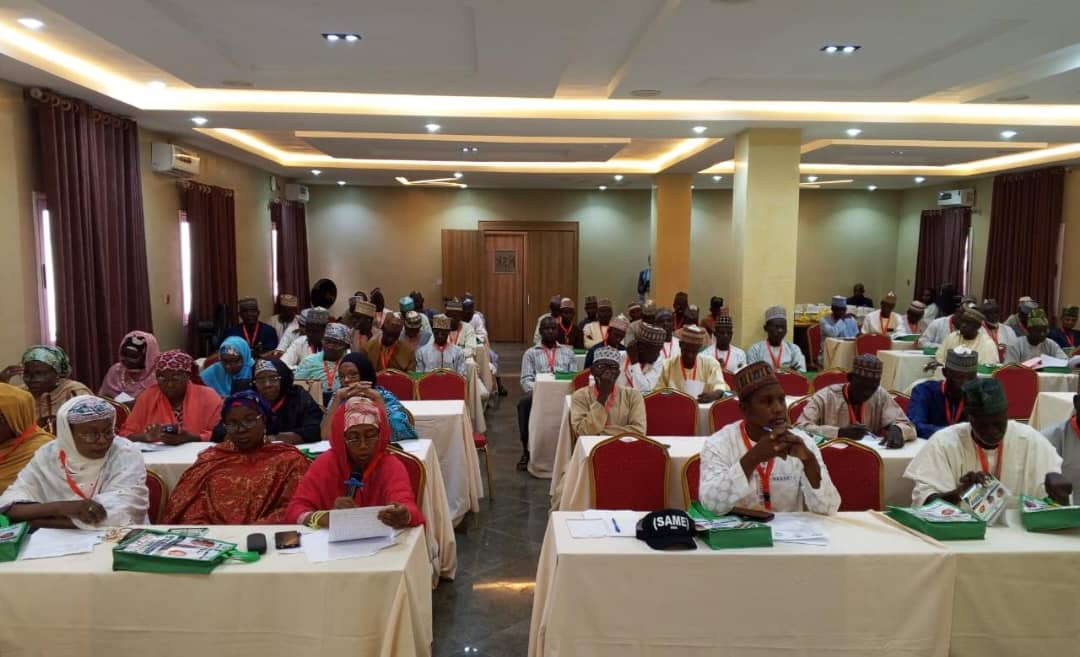
The Kano State Agency for Mass Education has trained Area Coordinating Officers from all 44 Local Government Areas of the state as part of efforts to strengthen adult and non-formal education and support the government’s ambition of reducing the number of out-of-school children to zero.
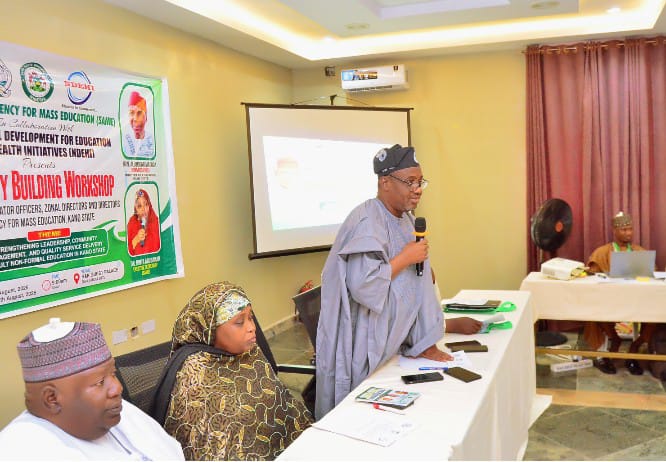
The 2 day capacity-building workshop, held in Zaria, Kaduna State, brought together Area Coordinating Officers, Zonal Directors, Directors and other key personnel of the agency.
The workshop, organised by SAME in collaboration with Non-Formal Development for Education and Health Initiatives (NDEHI), was held under the theme, “Strengthening Leadership, Community Engagement, and Quality Service Delivery in Adult Non-Formal Education in Kano State.”
Declaring the workshop open on behalf of the Commissioner for Education, Dr. Ali Haruna Makoda, the Permanent Secretary of the Ministry, Baffa Bashir Muhammad, said the initiative reflected the Kano State Government’s renewed commitment to advancing adult and non-formal education.
Muhammad praised Governor Abba Kabir Yusuf for prioritising education under the administration’s “Education First” agenda, noting that non-formal education remained an important tool for empowering citizens, reducing illiteracy and reaching people who were outside the formal school system.
Read Also:
KSP Partners JOSTUM to Offer PGD Courses in Management, Social Sciences
CITAD Distributes School Materials to Nomadic Pupils in Kano, Urges Increased Govt Intervention
Special Report: Dreams Shattered as Government Secondary School Rimi Loses Its Boarding System
He commended the Executive Secretary of SAME, Dr. Binta Abubakar, for initiating the workshop, describing it as a landmark step towards strengthening non-formal education delivery in the state.
The Permanent Secretary urged participants to maximise the expertise of the resource persons and ensure that the knowledge acquired translated into measurable improvements in adult literacy and learning programmes across Kano.
Speaking on the objectives of the workshop, the Executive Secretary of SAME, Dr. Binta Abubakar, said the training was designed to refresh the knowledge and strengthen the capacity of personnel responsible for implementing the agency’s programmes across the 44 LGAs.
She said the participants were exposed to modern approaches to leadership, monitoring and evaluation, record keeping, community engagement, learning-centre management and the establishment of new learning centres.
Dr. Abubakar emphasised the need for the agency to improve enrolment, monitoring and evaluation, record management and community participation, while expanding learning opportunities to underserved communities.
She said the ultimate goal was to contribute to the reduction of out-of-school learners and support the state government’s ambition of achieving zero out-of-school children in Kano State.
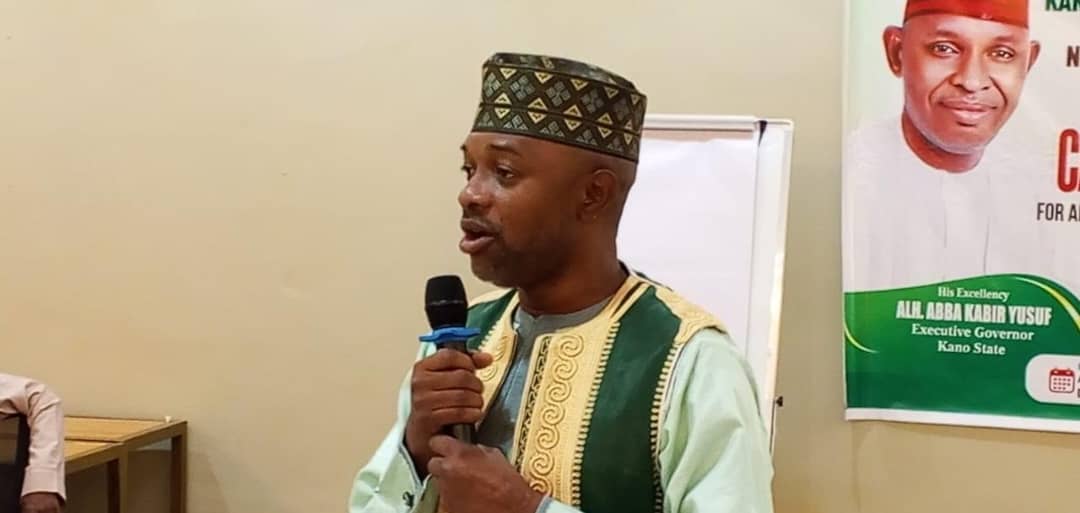
The lead facilitator, Dr. Auwalu Halilu, said the workshop was aimed at changing the perception and delivery of adult education by moving beyond the traditional focus on literacy and numeracy.
According to him, modern adult education encompasses literacy, numeracy, life skills, community engagement and practical approaches to addressing societal challenges through adult learning.
“Majority of them feel adult education is just about literacy and numeracy. In a more globalized perspective now, it’s modern literacy and numeracy—you have to think about literacy, numeracy, and life skills, including engagement with the community and solving societal problems through adult learning,” Halilu said.
He said the workshop brought together university professors, doctors, field practitioners and other resource persons to expose participants to contemporary methods of delivering adult and non-formal education.
Halilu described the initiative as historically significant, noting that it was the first time staff of the agency, including Area Coordinating Officers from all 44 LGAs, had been sponsored to travel outside Kano State for a capacity-building programme of this nature.
He attributed the development to the support of Governor Abba Kabir Yusuf and said participants were expected to apply the knowledge acquired to improve the agency’s operations after returning to Kano.
The Chairman of the Kano State School-Based Management Committee (SBMC), Tijjani Haladu Baraya, commended the agency for organising the training outside the state, describing it as an important step towards improving operational efficiency.
Baraya praised Dr. Binta Abubakar for what he described as innovative approaches since assuming leadership of the agency, saying the initiative aligned with the state government’s priority on education.
He appealed to the Ministry of Education and the Kano State Government to sustain adequate budgetary support for the Agency for Mass Education to enable it to consolidate the gains of the training and improve service delivery.
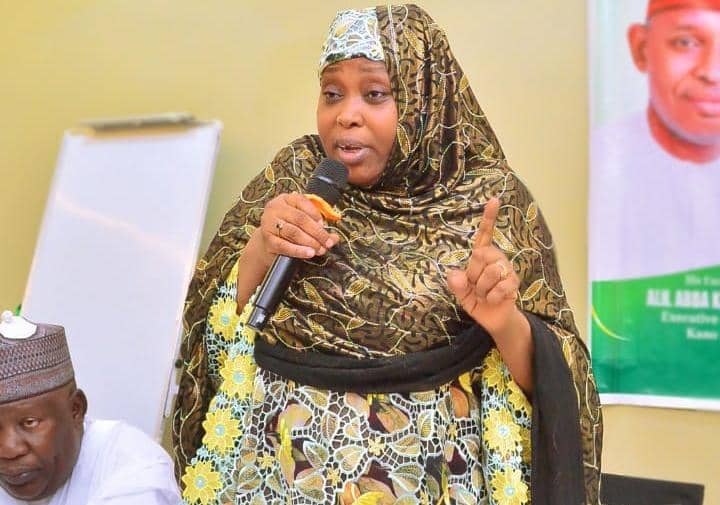
Also speaking, the Kano Municipal Zonal Director, Rabi Hassan Gwarzo, said the workshop had equipped participants with practical knowledge that would help improve the management of learning centres across the state.
Gwarzo said the training provided clearer understanding of modern administrative practices, particularly the implementation and operation of Centre-Based and Community-Based Management Committees (CBMCs).
She said the knowledge gained would help address challenges affecting some local learning centres and pledged to work with community leaders, facilitators and other stakeholders to revive and strengthen centres in Kano Municipal.
She also stressed the need for continuous retraining of facilitators to address administrative lapses and sustain improvements across the centres.
Gwarzo commended Dr. Binta Abubakar, whom she described as “Super ES,” for initiating the programme and urged participants to implement the strategies acquired during the training.
The workshop featured sessions on the foundations of adult and non-formal education, the structure of non-formal education, adult learners, instructional materials, the role of facilitators and the responsibilities of practitioners.
Other areas covered included leadership, community engagement, monitoring and evaluation, record keeping, learning-centre management and strategies for improving service delivery.
The agency said the training was expected to strengthen leadership, improve accountability and equip its personnel with modern tools to deliver more effective adult and non-formal education programmes across Kano State.
Photo News:

Kano emirate dispute: CSOs urge Tinubu to prevent escalation

Let the Renewed Hope Story be Heard: Tinubu’s Appointees from the North Must Take the Message to the Grassroot

FG Announces 30-day petrol discount, gives priority to public transporters

MHWUN backs efforts to reduce zero-dose children in Kano

Kano emirate dispute: Abba, Bayero’s senior counsellor meet in Abuja
ABCOAD Unveils Journal, Bids Farewell to Provost
Nigerian Army Begins DSSC 29/2026 Recruitment, Outlines Eligibility Criteria
2027: NDC Releases Full List of Consensus Candidates in Kano

Gaya Polytechnic Opens Recruitment, Advertises 46 Academic, Non-Academic Positions