
National
Senate reconvenes for emergency session on state police bill

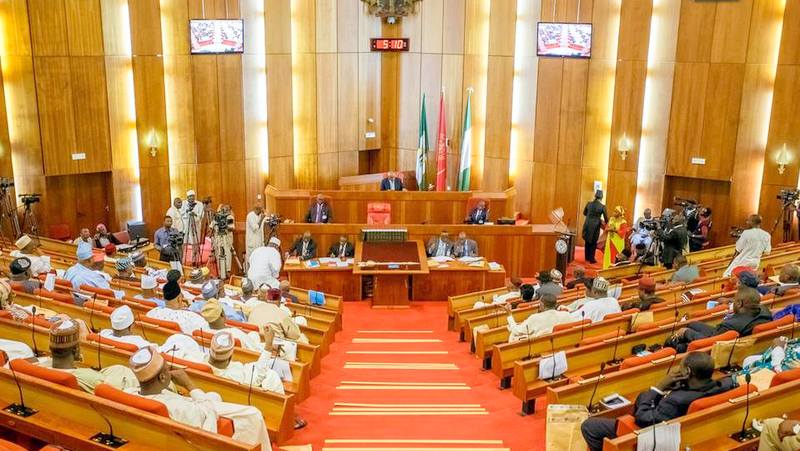
The Senate is expected to reconvene for an emergency plenary session today as lawmakers move to advance the proposed State Police Bill, a constitutional amendment widely regarded as one of the most significant security reforms in Nigeria’s democratic history.
The special sitting follows concerns that deliberations on the bill could not be concluded before lawmakers proceeded on a three-week recess due to an insufficient quorum required for constitutional amendments.
The proposed legislation seeks to decentralise policing by transferring aspects of law enforcement from the Exclusive Legislative List to the Concurrent Legislative List, thereby empowering state governments to establish and operate their own police formations alongside the Nigeria Police Force.
‘The Historica Nigeria’ reports that although the proposal enjoys broad bipartisan support, the Senate was unable to secure the constitutionally required two-thirds majority needed to progress the amendment process before adjourning.
Read Also:
Tinubu Sends State Police Bill to Senate, Constitutional Amendment Underway
‘We will not back down’ – Sadiq Sani Sadiq speaks on planned peaceful protest
Defence Headquarters to Establish Large-Scale Livestock Enterprise in Plateau
Determined to avoid further delays, the Senate leadership has intensified consultations across party lines and appealed to lawmakers to ensure full attendance at the emergency session.
Confirming the development, Senate Spokesman, Senator Yemi Adaramodu, said the issue of state police would remain a top priority during the sitting.
“The Senate will be considering matters of public interest, especially national security. The State Police legislation will undoubtedly be a priority issue,” Adaramodu said.
He explained that the Senate is expected to receive reports from the relevant committee handling the bill following its successful second reading.
“The Senate is desirous of partnering with other arms of government in curbing the undesirable activities of bandits, terrorists and other peace-threatening marauders,” he added.
The emergency sitting, scheduled for 11:00 a.m. at the National Assembly Complex in Abuja, was communicated to senators through a memo issued by the Clerk of the Senate, Emmanuel Odo, at the instance of Senate President Godswill Akpabio.
According to the notice, lawmakers were recalled to deliberate on urgent national issues, particularly matters relating to security and other critical concerns requiring immediate legislative attention.
The decision to suspend the ongoing recess underscores growing concerns over persistent insecurity across several parts of the country, including terrorism, banditry, kidnapping and communal violence.
“The purpose of this emergency sitting is to enable the Senate to consider matters of urgent national importance, particularly issues relating to national security and other critical concerns that require immediate legislative attention,” the notice stated.
The recall marks a departure from the National Assembly’s earlier timetable, which had scheduled lawmakers to resume plenary on July 7 after constituency engagements and the Democracy Day break.
The renewed push for state police also comes amid increasing calls for more effective security measures across the federation.
Earlier this month, President Bola Ahmed Tinubu reiterated his administration’s commitment to tackling insecurity, vowing that terrorists, bandits and their sponsors would face the full weight of the law.
The President disclosed that more than 13,000 terrorists had been neutralised in the past year and maintained that terrorism-related fatalities had declined significantly. He, however, acknowledged that the continued captivity of abducted schoolchildren in parts of the country remained a major concern.
On June 11, the Senate passed the State Police Bill for second reading and referred it to the Senate Ad-hoc Committee on the Review of the 1999 Constitution for further legislative action.
The bill proposes amendments to Sections 197, 214 and 215 of the Constitution, among other provisions, to provide the legal framework for the establishment of state police services.
Leading debate on the legislation, Senate Leader Opeyemi Bamidele described state police as a necessary reform to strengthen Nigeria’s internal security architecture in the face of evolving security threats.
He argued that locally recruited police personnel would be better positioned to gather intelligence and respond effectively due to their familiarity with local languages, customs and community dynamics.
According to him, Nigeria continues to grapple with terrorism, banditry, mass abductions, farmer-herder conflicts, armed robbery, pipeline vandalism, cultism, communal clashes and cyber-related crimes, making decentralised policing increasingly necessary.
Bamidele also addressed concerns that state police could be misused by governors for political purposes, insisting that the proposed legislation contains adequate safeguards.
Among the safeguards outlined in the bill are the establishment of State Police Service Commissions, oversight by the Federal Police Service Commission, legislative confirmation of senior appointments, adherence to uniform national policing standards and constitutional provisions for federal intervention in cases of breakdown of law and order.
Several senators, particularly from the northern region, supported the proposal during the debate, arguing that decentralised policing offers a more sustainable solution to the country’s security challenges.
Senate Chief Whip, Senator Tahir Monguno, said the legislation would also provide a legal framework for regulating the growing number of vigilante groups operating across the country.
While supporters believe state police will enhance intelligence gathering, local accountability and rapid response to security threats, critics continue to express concerns over the potential abuse of state-controlled police by political office holders.
(Punch)
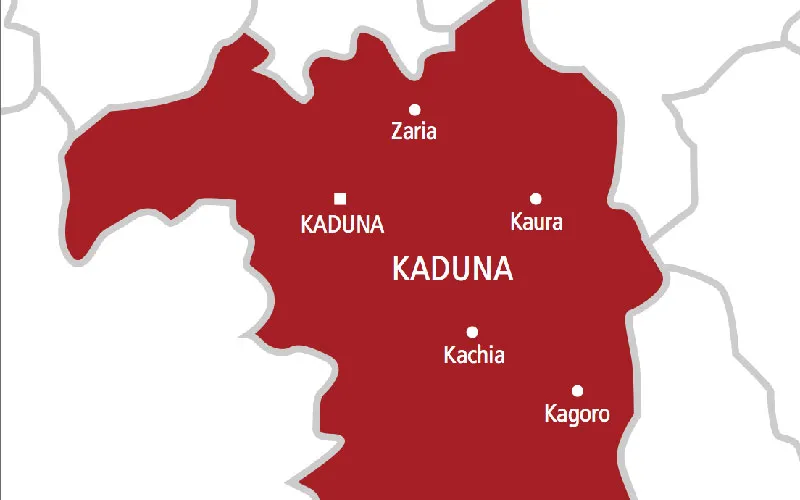
Kaduna attack: Man killed, nine abducted as bandits invade three houses

EXCLUSIVE: Gov. Abba, Rurum, Dan’agundi hold two-hour closed-door meeting as Sanusi defies Kano horse-riding ban

Diphtheria: Ungoggo teams reach children across communities

El-Rufai: Court orders day-to-day trial after rejecting recusal bid

Irregular migration: Aremu says job creation can reduce youth exodus
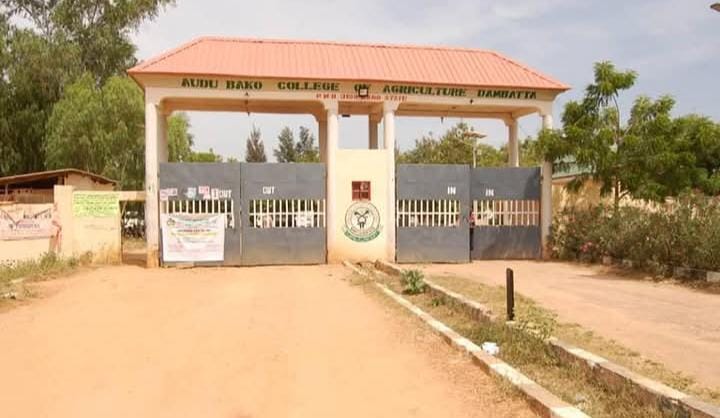
ABCOAD Unveils Journal, Bids Farewell to Provost

Nigerian Army Begins DSSC 29/2026 Recruitment, Outlines Eligibility Criteria

2027: NDC Releases Full List of Consensus Candidates in Kano

Gaya Polytechnic Opens Recruitment, Advertises 46 Academic, Non-Academic Positions