
The Historica Nigeria

2025

Education, National, News

FG Removes Mathematics as Compulsory Subject for Arts, Humanities Admissions

The Federal Ministry of Education has announced a significant policy change for senior secondary school students in Nigeria, stating that students in the arts and humanities will no longer require a credit pass in Mathematics in their Senior School Certificate Examination (SSCE) conducted by WAEC and NECO to gain admission into universities and polytechnics. Previously, all students—whether in sciences, social sciences, or arts and humanities—were required to secure at least five credits, including Mathematics and English Language, to qualify for higher education. The new directive exempts arts and humanities students from the Mathematics requirement, thereby easing the pathway to tertiary institutions for learners in these fields. According to the ministry, via a circular released on Tuesday, “The revised National Guidelines for Entry Requirements into Nigerian Tertiary Institutions are designed to remove barriers while maintaining academic standards.” Read Also: FG Introduces AI, Robotics, and Journalism into New Secondary School Curriculum The new framework, which applies to universities, polytechnics, colleges of education, and Innovation Enterprise Academies nationwide, outlines that Mathematics will remain mandatory for Science, Technology, and Social Science courses, but not for Arts and Humanities. The circular, signed by the ministry’s spokesperson, Folasade Boriowo, further clarifies that universities require a minimum of five credit passes in relevant subjects, including English Language, obtained in not more than two sittings, with Mathematics mandatory only for science-related programs. Polytechnics at the National Diploma level require at least four credit passes, with Mathematics necessary only for science and technology-based courses. Colleges of Education will maintain four credit passes in relevant subjects, with English Language mandatory for Arts and Social Sciences, and Mathematics for Science, Vocational, and Technical programs. Reacting to the development, education analyst Ayodamola Oluwatoyin praised the reform, describing it as a step toward inclusivity and easier access to higher education. “This is a brilliant reform which we hope will open doors and improve the ease of admissions into tertiary institutions for more seekers,” he said. The Minister of Education, Dr. Tunji Alausa, noted that the policy aligns with the government’s broader effort to expand access and opportunities within Nigeria’s tertiary education system.
Agriculture, Kaduna, National, News

ABU Zaria Moves to Reposition NAPRI, Constitutes Reform Committee

Ahmadu Bello University (ABU), Zaria, has declared a state of emergency on the National Animal Production Research Institute (NAPRI) and set up a committee to revitalise the institute. Malam Auwalu Umar, Director of the Public Affairs Directorate of the university, disclosed this in a statement issued on Tuesday in Zaria. He explained that the revitalisation move was aimed at repositioning NAPRI for greater impact in livestock research, breeding, and resource mobilisation. Read Also: Ministry of Livestock Commissions 2,000-Litre Milk Collection Centre in Bauchi According to him, the NAPRI Reform and Strategic Transformation Committee is chaired by Prof. J. K. P. Kwaga of the Faculty of Veterinary Medicine. The Vice-Chancellor of ABU, Prof. Adamu Ahmed, described NAPRI as “too strategic to fail in its mandate,” noting that the institute had faced significant challenges in fulfilling its core objectives. Prof. Ahmed said the university declared a state of emergency on NAPRI to address the decline in its statutory functions, stressing that the committee’s assignment was crucial to the success of the reform process. The committee is expected to design and oversee comprehensive reforms that would revitalise NAPRI’s core functions and restore its place as a key contributor to Nigeria’s livestock development goals. He charged the committee to submit an inception report within two weeks, outlining its reform framework and implementation strategy, and assured full support from the university management. The Vice-Chancellor commended Prof. Kwaga’s leadership and expertise, describing his role as pivotal to the transformation effort. In his response, Prof. Kwaga expressed appreciation to the Vice-Chancellor and the university management for the confidence reposed in the committee, assuring their readiness to deliver within the stipulated six-month timeframe. Members of the committee include Prof. I. U. Abubakar, former Executive Director of the Institute for Agricultural Research (IAR), and Prof. M. K. Othman, former Executive Director of the National Agricultural Extension Research and Liaison Services (NAERLS). Others are Prof. Tunji Iyiola-Tunji of NAERLS, Prof. A. K. B. Sackey of ABU’s Department of Veterinary Medicine, and Prof. Abdul Bakura, Dean of the Faculty of Agriculture. The former Dean of the Faculty of Veterinary Medicine, Prof. Junaidu Kabir, will serve as the Secretary of the committee. (NAN)

Health, Kano, News

DMCSA Clears ₦102m Debt, Raises Capital to Over ₦377m in Kano

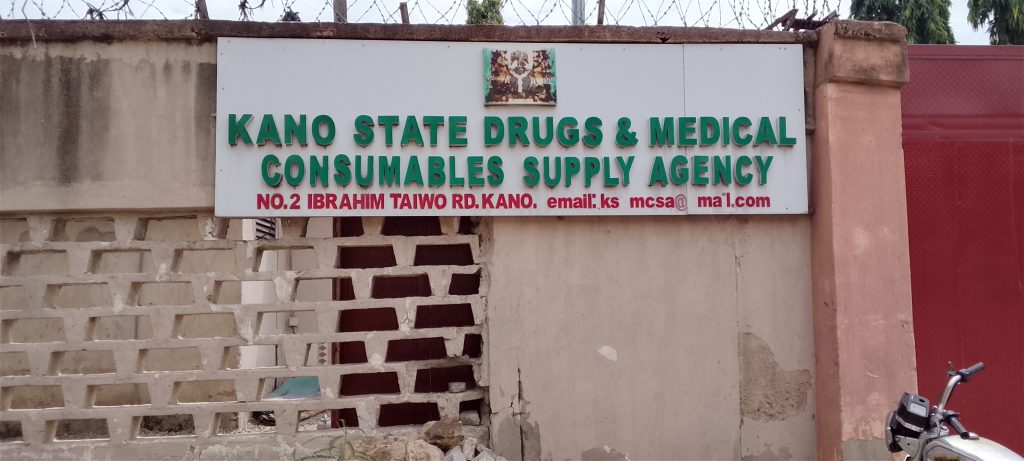
The Kano State Drugs and Medical Consumables Supply Agency (DMCSA) has raised its working capital to ₦377,033,845 after successfully settling an inherited debt of ₦102,238,600 between 2023 and 2025. The Director of Drugs and Supply, Pharmacist Tukur Ibrahim, disclosed this while briefing newsmen shortly after the 8th Quarterly Review Meeting held at the agency’s conference hall on Monday. He described the achievement as a major milestone under the leadership of the agency’s Director-General, Pharmacist Ghali Sule, noting that the DMCSA has significantly restored its credibility and operational efficiency since December 2023. Read Also: Kano Govt Approves N233 Million for Procurement of Laboratory Equipment for DMCSA According to him, the agency has almost completed the settlement of outstanding liabilities owed to pharmaceutical companies that supply essential drugs to Kano State hospitals. “This debt clearance was achieved through the monthly Drug Revolving Fund accountability sessions introduced by the current leadership. These meetings help identify challenges, review progress, and strengthen transparency,” Tukur explained. He further noted that the accountability and reform initiatives led by the Director-General have boosted the agency’s reputation among development partners and pharmaceutical suppliers. “You see, the negative debt we inherited from the past administration weakened our operations. But under close supervision and collaboration among all key units — including the Drugs Management System, Procurement, and Financial Operations — we were able to recover and settle over ₦1 billion in old debts,” he said. Speaking earlier, the Director-General, Pharmacist Ghali Sule, commended Governor Abba Kabir Yusuf’s administration for its steadfast support toward revitalising the agency’s operations. He explained that the state government now releases ₦40 million daily to support hospitals across Kano, compared to ₦10 million under previous arrangements. “This increase covers the free Maternal, Newborn and Child Health (MNCH) programme as well as drug supplies to correctional centres in the state,” he added. Sule revealed that the agency has expanded its logistics capacity with new vehicles to enhance drug distribution to zonal stores and health facilities across the state. He also disclosed that the agency’s long-delayed Pharma Grade Store project is now complete and ready for use, while the DMCSA has been fully registered with the Pharmaceutical Council of Nigeria (PCN) and enrolled in a takaful insurance scheme to strengthen operational sustainability. The Director-General appealed to the state government to further increase the agency’s capital base to enhance revenue generation, efficiency, and the overall effectiveness of DMCSA’s drug supply system.

Health, Humanitarian, Kano

Kano Govt Approves N233 Million for Procurement of Laboratory Equipment for DMCSA

As part of the government’s ongoing commitment to strengthening healthcare delivery systems across the state, the Kano State Executive Council has approved the sum of N233 million for the procurement of advanced laboratory equipment for the newly remodelled modern Quality Control Laboratory located at the Drug and Medical Consumables Supply Agency (DMCSA). This strategic investment is aimed at enhancing the agency’s capacity to ensure the safety, efficacy, and quality of all drugs and medical consumables distributed within Kano State. With the new equipment, DMCSA will be equipped to conduct thorough laboratory analyses and meet both national and international standards in pharmaceutical quality control. This was made known by the Director-General of DMCSA Pharm. Gali Sule while speaking during a Quarterly Review Meeting held Monday at the conference hall of the agency. Read Also: Kano Health Ministry Hosts iLMD Review Meeting to Strengthen Health Supply Chain Efficiency Pharm. Sule stated that this initiative demonstrates the state’s resolve to uphold the highest standards in public health and drug safety. “This approval underscores the commitment of Kano State government under the leadership of His Excellency Governor Abba Kabir Yusuf to safeguarding the health of Kano citizens by ensuring that only high-quality drugs are available in our healthcare facilities.” According to him, after the procurement and installation, the personnel will be trained on the use of the new laboratory equipment, which includes modern analytical and diagnostic tools crucial for testing medical supplies. The DG also highlighted that courtesy of reforms and initiatives at DMCSA, the agency has now been accredited as an internship training center by the Pharmacy Council of Nigeria. Declaring the review meeting opened, the Commissioner for Health Dr. Abubakar Labaran Yusuf noted that the upgrade of the DMCSA laboratory aligns with the Kano State Government’s broader agenda to improve healthcare infrastructure, promote local capacity development, and ensure accountability and transparency in the medical supply chain. He further assured that the government remains dedicated to providing a safe, healthy, and sustainable environment for all residents of Kano State. Signed: Farouk Isa Musa PRO, DMCSA

Enugu, National, Politics

Mbah Leads Enugu Political Shift as He Dumps PDP for Ruling APC

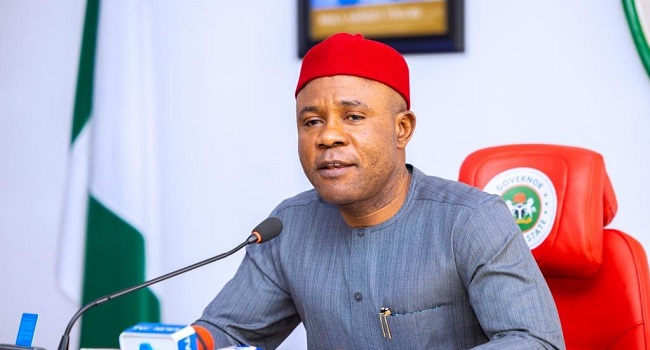
Enugu State Governor, Peter Mbah, has officially announced his defection from the Peoples Democratic Party (PDP) to the All Progressives Congress (APC), in what observers describe as a major political shift in the South-East. The governor made the announcement during a state-wide broadcast on Tuesday morning, saying the move was aimed at aligning Enugu State with the federal government under President Bola Ahmed Tinubu. “This move became necessary to connect our dear state to the central government,” Mbah declared, emphasizing that his administration’s top priority remains the development and prosperity of Enugu people. Read Also: Kwankwaso’s Conditions Unrealistic, Says Ganduje-Led Kano APC He commended President Tinubu for implementing policies that, according to him, have brought “massive support and benefits” to the state since the start of the current administration. “Under President Tinubu, Enugu State has enjoyed unprecedented attention and support from the Federal Government. We cannot afford to remain isolated from the centre,” he said. Governor Mbah’s defection did not come alone, as he was joined by members of the Enugu State House of Assembly, local government chairmen, councillors, and other key political stakeholders in the state. His exit marks another major blow to the PDP in the South-East, following a series of defections to the ruling APC in recent months. According to reliable sources, Bayelsa State Governor, Douye Diri, is reportedly preparing to join the APC soon, having concluded arrangements to formalize his move. Earlier this year, Delta State Governor, Sheriff Oborevwori, and Akwa Ibom State Governor, Umo Eno, also defected to the APC with their cabinets and political appointees—signalling what analysts describe as a “realignment of forces” ahead of the 2026 elections. Governor Mbah’s defection is expected to significantly reshape the political landscape in the South-East, a region that has long served as a stronghold of the PDP. A formal reception to welcome Governor Mbah into the APC will take place in Enugu on Tuesday, with Vice President Kashim Shettima, APC National Chairman Nentawe Goshwe Yilwatda, several governors, and other top party figures expected to attend.

National, News

New Electoral Bill Targets November 2026 Elections, Faster Tribunal Process

Nigeria’s next general elections may hold in November 2026 if the new proposal by the National Assembly to amend the Electoral Act sails through. The proposal, part of the Electoral Act (Amendment) Bill 2025, was unveiled on Monday during a public hearing jointly organized by the Senate and House Committees on Electoral Matters in Abuja. According to lawmakers, the adjustment aims to ensure that all election petitions are resolved before the next handover date on May 29, 2027. Read Also: Council of State Approves Prof. Joash Amupitan as New INEC Chairman The draft amendment reads: “Elections into the office of the President and Governor of a State shall be held not later than 185 days before the expiration of the term of office of the last holder of the office.” This means the elections would now fall around November 2026, roughly six months before the end of the current administration’s tenure. Chairman of the House Committee on Electoral Matters, Hon. Adebayo Balogun, said the move is designed to “ensure that all manner of election litigations are dispensed with before the swearing in of winners.” He explained that the National Assembly also plans to amend Sections 285 and 139 of the 1999 Constitution to shorten the duration of election petitions — reducing tribunal judgments from 180 to 90 days, appellate court decisions from 90 to 60 days, and ensuring the entire process does not exceed 185 days. Other key provisions in the proposal include early voting for specific categories of Nigerians — such as security personnel, INEC staff, accredited journalists, and observers — at least 14 days before election day. Significantly, the amendment also seeks to make electronic transmission of results mandatory, with penalties for non-compliance. The proposed Section 60(5) reads: “The Presiding Officer shall transmit the results, including the total number of accredited voters, to the next level of collation both electronically and manually.” Officers who issue unstamped ballot papers or result sheets could face a one-year jail term or a ₦1 million fine. Stakeholders, including the Independent National Electoral Commission (INEC), represented by Prof. Abdullahi Zuru, endorsed the proposed reforms — particularly the electronic voting and compulsory e-transmission clauses — describing them as vital to strengthening transparency and reducing post-election disputes. In July, a similar proposal to amend the 1999 Constitution and hold all elections on the same day in 2027 sparked mixed reactions. While opposition parties such as the PDP, Labour Party, ADC, and NNPP supported the idea, the ruling APC rejected it, warning of possible chaos. The initiative, championed by the House Committee on Constitution Review chaired by Deputy Speaker Benjamin Kalu, emerged from broader consultations held across the six geo-political zones. If passed, the bill will mandate INEC to conduct presidential, governorship, National Assembly, and state assembly elections on a single day — a move projected to cut costs and reduce post-election bandwagon effects.

Business, National, News

Fuel Price Hits ₦992 as NNPCL Adjusts Pump Rates Across Nigeria

The Nigerian National Petroleum Company Limited (NNPCL) has increased the pump price of petrol from ₦865 to ₦992 per litre, triggering fresh concern among motorists and consumers nationwide. As of the time of filing this report, the company has yet to release any official statement explaining the reason behind the sudden adjustment. During visits to several NNPC retail outlets, The Nation observed fuel attendants recalibrating their pumps to reflect the new rate. Read Also: NNPCL Drills Four Oil Wells in Kolmani, Constructs Gas Plants in Kogi At the NNPC filling station along Ogunusi Road, Ojodu Berger, attendants confirmed they were instructed to update the pump price to ₦992 per litre. However, checks at Ibafo along the Lagos–Ibadan Expressway revealed that NNPC outlets in the area still displayed the old price of ₦875 per litre but were not dispensing fuel to motorists. Most NNPC stations visited in Lagos and Ogun States were also not selling fuel as of Sunday evening, sparking frustration among commuters and transport operators. Although NNPCL has not provided an official reason for the price hike, industry analysts speculate that rising global crude oil prices and foreign exchange volatility could be contributing factors. (The Nation)

Kano, News, Religious

Kano Hisbah Nabs Five for Conducting Marriage Without Parental Consent

The Kano State Hisbah Board has arrested five youths for allegedly conducting a marriage ceremony without parental consent, in violation of Islamic and legal marital procedures. Deputy Commander General of the board, Dr. Mujahideen Aminuddeen, confirmed the arrest in a statement issued in Kano on Monday. He said those apprehended include the groom, the bride, and three others who participated as representatives and witnesses during the ceremony. Related: Kano Govt Begins Plans for Mass Wedding of 2,000 Couples According to Aminuddeen, the marriage was contracted with a dowry of ₦10,000 — below the minimum standard recognised under Islamic law. He added that the board has commenced an investigation into the incident, stressing that the union breached both Islamic and legal requirements for marriage. Dr. Aminuddeen urged parents to monitor their children’s social activities and guide them in matters of marriage and morality to avoid similar incidents in the future. (NAN)

Kano, News

Kano Holds Citizens’ Consultation Forum Ahead of 2026 Budget Formulation

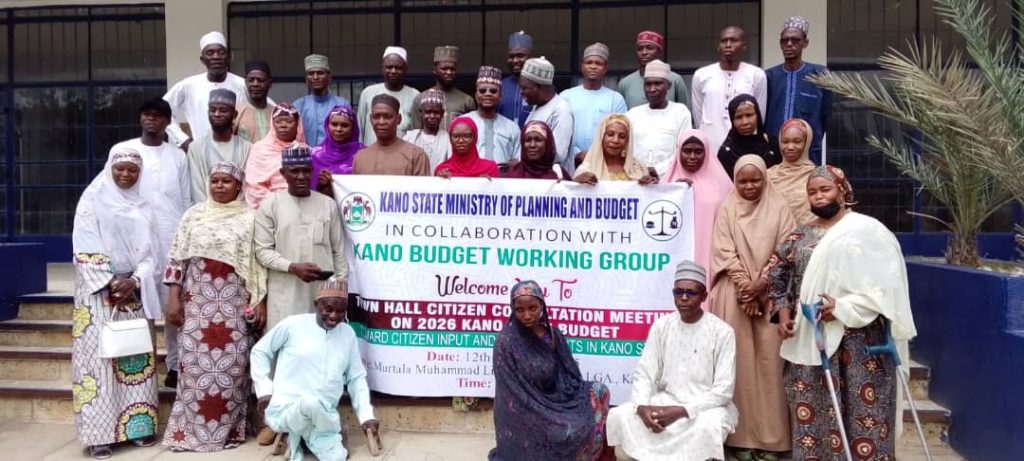
The Kano State Government has reaffirmed its commitment to participatory governance as part of the preparation for the 2026 fiscal year budget, ensuring that citizens’ voices and local priorities are reflected in state development planning. Chairman of the Kano State Social Protection Platform, Malam Salisu Yusuf, stated this while supervising the zonal public consultation exercise for the Kano Central Senatorial District, held across Rano, Gaya, Karaye, and Bichi zones. Malam Yusuf explained that the state has adopted the culture of involving citizens, community leaders, and stakeholders in identifying needs and aspirations that should shape government spending priorities. Read Also: Kano Health Ministry Hosts iLMD Review Meeting to Strengthen Health Supply Chain Efficiency “It has been a long-standing tradition of Kano State to gather citizens’ input before finalising the annual budget,” he said. “People know their needs better, and their voices are essential in building a responsive, inclusive, and impactful 2026 budget.” He added that the Kano Budget Working Group decided to extend the consultations across all zones to ensure that every segment of society — including women, children, youth, and people with disabilities — is represented. Speaking earlier, the Mai Garin Gama, Alhaji Rabi’u Isyaku Gama, commended the initiative, describing it as a practical step toward good governance. He noted that the opportunity to provide direct community input would help government officials better understand local challenges and set realistic development targets. “I am happy to be part of this important engagement,” Alhaji Gama said. “We used this opportunity to present the demands of our people for inclusion in the 2026 Kano State budget. I also call on philanthropists to complement government efforts by addressing social challenges in their communities even before public intervention.” In her remarks, the Speaker of the Kano Children’s Parliament, Hauwa’u Muhammad Ibrahim, from Nasarawa Local Government Area, said she was proud to represent the voices of young people during the consultation. She presented key demands focusing on education, healthcare, girl-child education, and inclusion for persons living with disabilities. “Last year, we submitted a similar request for the construction of ‘Yan Dodo Road in Hotoro area, which is now under construction. We are confident that our new submissions will also be taken seriously to improve the lives of children and residents across the state,” Hauwa’u stated. Responding to the various presentations, the Principal Officer in charge of the budget at the State Ministry of Planning and Budget, Malam Mustapha Sani Sulaiman, assured participants that the ministry would prioritise citizens’ recommendations while preparing the 2026 state budget. He emphasised that the essence of the forum is to ensure that the government’s fiscal planning directly aligns with citizens’ needs, noting that similar exercises are ongoing in other senatorial zones of the state. According to him, the feedback gathered from these forums will form the backbone of the 2026 Kano State Annual Budget, reflecting a people-centered approach to governance and resource allocation. Malam Mustapha commended the Social Protection Platform and other partners for coordinating the engagements effectively, adding that such initiatives help promote transparency, accountability, and public trust in government. The consultation drew participants from civil society organisations, traditional institutions, youth groups, women associations, and representatives from the Children’s Parliament, all contributing diverse perspectives to guide the state’s 2026 development priorities.

Health, Humanitarian

Kano Health Ministry Hosts iLMD Review Meeting to Strengthen Health Supply Chain Efficiency

In a significant step towards improving access to essential health commodities across Kano State, key stakeholders convened for a high-level Integrated Last-Mile Delivery (iLMD) and Requisition Review Meeting aimed at assessing current supply chain processes and reinforcing collaboration among partners. The meeting, held at Tahir Guest Palace Hotel in Kano, was organized by the Ministry of Health in collaboration with Capacity 4 Sustainable Development (C4SD), and it brought together key stakeholders including top officials from the ministry and its relevant agencies, as well as representatives of Essential Drug Officers, MCH Coordinators, representatives of In-state team, Zonal Warehouse Managers, Transborder Logistics, warehouse store officers both at central and zonal levels, some members of the DMCSA fleet unit, and implementing partners. The session focused on evaluating the performance of the last-mile delivery system, validating requisitions from facilities, and identifying bottlenecks in the distribution of commodities. The meeting sets out to provide updates on stock positioning and integrated last-mile delivery activities. It also aims to identify operational gaps and develop practical solutions to ensure effective implementation and to agree on actionable next steps, with clear timelines and designated responsible persons to drive progress. Read Also: Kano to Introduce Mental Health Tests as Precondition for Marriage In her welcome address, the Family Planning Coordinator, Dr Aisha Barka, welcomed all participants to the meeting and wished for a fruitful deliberation. In his opening remarks, the Director Pharmaceutical Services and Chairman State Sustainable Health Commodity Supply System Committee (SHCSS-C) Pharm. Kamilu Mudi Salisu emphasized the importance of an integrated approach to last-mile delivery, noting that “timely access to health commodities is critical to achieving universal health coverage in Kano State.” Calling for proper documentation of all that had been done on supply chain management in the state, the DPS noted that Kano State Government remains committed to strengthening its health supply chain systems in line with national guidelines and global best practices. In his contribution, Dr. Ibrahim Aliyu Muhammad, the Director Public Health and Disease Control at the State Ministry of Health called on participants and other stakeholders to highlight their achievements and successes in supply chain activities through research and the presentation of well-developed conference papers. He further emphasized the need to strengthen existing frameworks to promote transparency and ensure accountability in commodity management. During the meeting, resource persons, including Pharm. Tukur Ibrahim, Director, the Drugs and Supply at Drug and Medical Consumables Supply Agency (DMCSA) and Bello Muhammad Dandago, SSHCSS-C Focal Person at the State Primary Health Care Management Board, made presentations on fleet management operations, requisition management, as well as iLMD activities – family planning and essential medicines. Later the participants have robust discussions on how to reconcile health facility commodity requisitions with actual needs and consumption data, evaluate stock status and delivery timelines, address challenges in logistics coordination and data reporting, and strengthen accountability mechanisms across all levels of the health supply chain. Delivering goodwill messages, the representatives from development partners, such as the Africa Resource Center for Excellence in Supply Chain Management (ARC-ESM), reaffirmed their commitment to supporting the state’s efforts to ensure equitable and efficient distribution of health commodities. On his part, the State Team Lead, C4SD, expressed optimism that the outcomes of the meeting will inform strategic adjustments in supply planning and delivery schedules, as well as guide continuous capacity building for logistics personnel at the Local Government Areas and facility levels. He also assured C4SD’s determination to ensure commodity accountability in line with the state’s accountability framework and work closely with the state’s programs and supply chain leadership to ensure remarkable improvements in the state’s supply chain. While outlining the next steps, the Director of Pharmaceutical Services at the Kano State Primary Health Care Management Board, Pharm. Abdullahi A. Danzabuwa re-emphasized that the iLMD initiative has come to stay in the state.

Scroll to Top