
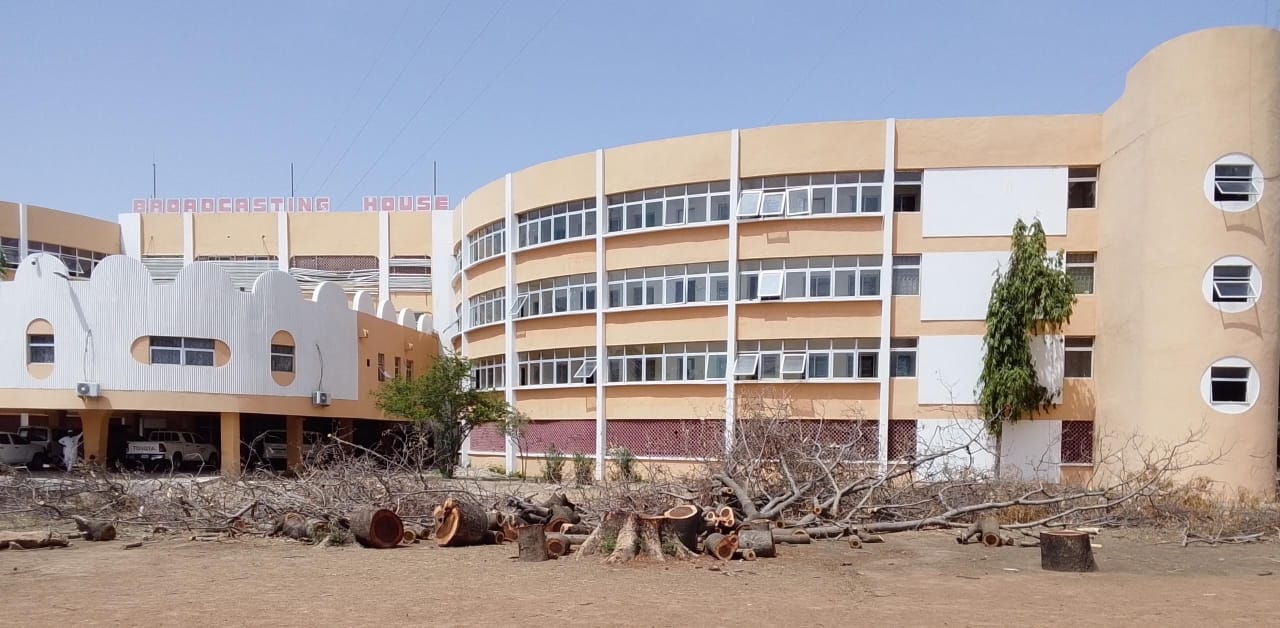



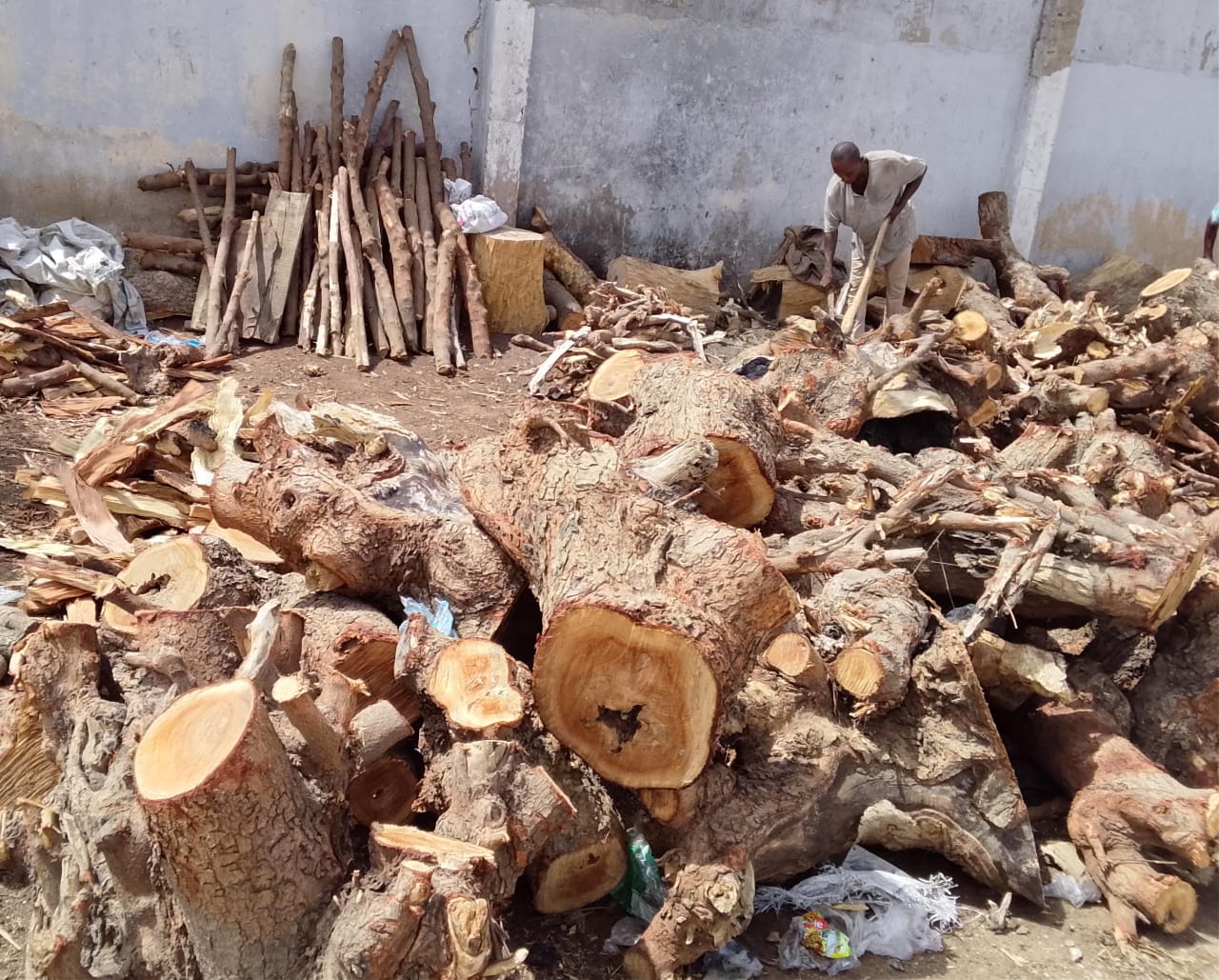

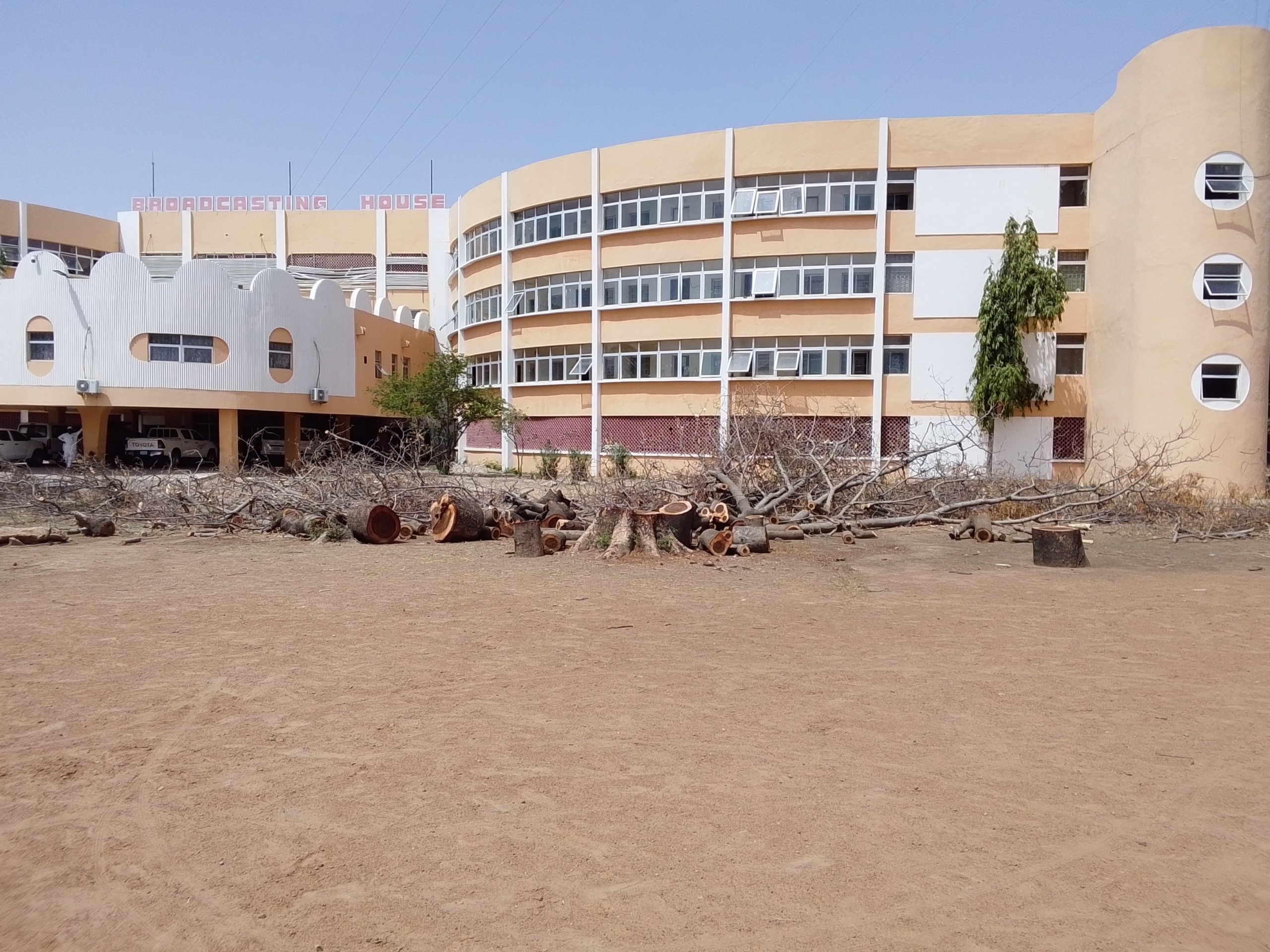
Fresh questions have continued to trail the removal of trees within the premises of the state-owned Abubakar Rimi Television (ARTV) in Kano following an investigative report by ‘The Historica Nigeria’ which highlighted concerns raised by residents over the felling of mature trees within the facility.
The report, published after separate visits to the station and interviews with residents of Hotoro and neighbouring communities, documented allegations that a significant number of indigenous and economic trees had been removed from the premises of the television station, which for decades remained one of the greenest public institutions in Kano metropolis.
Residents interviewed by ‘The Historica Nigeria’ expressed concern that the continued removal of trees could worsen environmental conditions in the area, including rising temperatures, declining air quality and loss of valuable indigenous species.
Some staff members who spoke on condition of anonymity also described the development as disturbing, alleging that several of the affected trees had stood within the station’s premises for decades before they were removed.
Related:
Photos: How Kano Government-Owned Television Station Became a Source of Commercial Firewood
Why Gobirawa’s Centuries-Old Agrarian Life is at Risk in Kano
Anti-Desertification Agency Relocates Headquarters to Kano
One of the residents, Malam Ibrahim Adamu, stated that many of the affected trees were among the few remaining indigenous species still found within Kano metropolis.
According to him, some of the trees can now only be found in remote rural communities.
“Many traditional and indigenous trees were wiped out. Today, some of them can hardly be found except in remote areas. Apart from providing environmental protection and reducing heat during the dry season, many of these trees are also used for medicinal purposes,” he said.
The concerns come at a time when the Kano State Government is intensifying efforts to combat indiscriminate tree felling through stricter environmental regulations, forestry reforms and enforcement measures aimed at protecting the state’s ecological resources.
In line with professional journalistic practice, ‘The Historica Nigeria’ stated that several efforts were made to obtain official comments from the management of ARTV before publication.
The newspaper also reached out to relevant environmental authorities, including officials of the Kano State Ministry of Environment and Climate Change, as part of efforts to obtain all sides of the story before publication.
However, no official response was received from the station before the report was published.
The newspaper further disclosed that a senior management official of the station, who spoke on condition of anonymity, confirmed concerns surrounding the tree removal activities within the premises.
Following publication of the report and its subsequent circulation across various online media platforms, ARTV management issued a statement rejecting allegations of large-scale tree felling and commercialisation of wood within the station.
The management maintained that only a few trees were removed after security assessments allegedly identified parts of the premises as hideouts for suspected criminal elements.
According to the station, the exercise was undertaken purely for security reasons and not for commercial purposes.
The management also faulted the report, arguing that the station was not given an opportunity to present its position before publication.
However, ‘The Historica Nigeria’ maintained that multiple attempts were made to contact relevant officials before publication and that such efforts yielded no response.
The newspaper further observed that ARTV’s response effectively confirmed that tree removal activities took place within the station, although management disputed the scale and circumstances presented by residents and environmental stakeholders.
The newspaper also noted that the response was issued only after the report had generated widespread public discussion and had been republished by other online media platforms.
‘The Historica Nigeria’ further observed that the statement issued in response to the report did not bear the name, designation or signature of any management official authorised to speak on behalf of the station.
Media practitioners note that attribution and accountability are important elements of professional communication, particularly when responding to matters of significant public interest. The absence of an identifiable signatory on the statement has raised additional questions regarding official responsibility for the response and the internal communication procedures through which it was issued.
Despite ARTV’s explanation, several questions raised by residents and environmental advocates remain unanswered.
Among them are why the trees were removed in the first instance, whether approval was obtained from relevant forestry authorities, what became of the felled trees after removal, whether environmental impact considerations were undertaken before the exercise, and whether security concerns alone justified the removal of mature trees that had stood within the facility for decades.
Residents also continue to question claims that only a few trees were affected, insisting that the scale of tree removal was more significant than acknowledged in the station’s response.
Environmental stakeholders maintain that government institutions should lead by example in complying with environmental regulations and promoting conservation efforts.
Experts have repeatedly warned that unchecked urban deforestation contributes to rising temperatures, biodiversity loss, poor air quality, flooding and worsening climate conditions, particularly in rapidly expanding cities such as Kano.
The concerns surrounding ARTV emerge amid ongoing government campaigns against environmental degradation and efforts to strengthen enforcement of forestry regulations across the state.
‘The Historica Nigeria’ reiterated that its investigation was conducted strictly in the public interest and remains committed to factual, balanced and responsible journalism.
The newspaper also called on environmental experts, forestry professionals, regulatory agencies and relevant stakeholders to independently assess the situation and determine whether the actions taken within the ARTV premises complied with existing environmental laws and best environmental practices.