


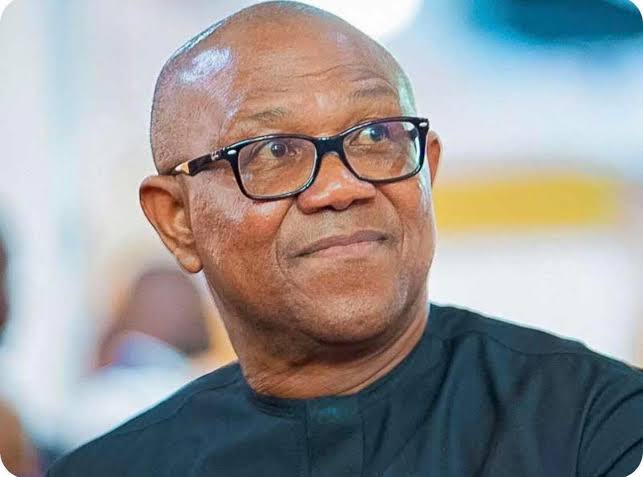
A group operating under the banner of the Northern Youth Assembly has criticised the reported political alliance between the leader of the Kwankwasiyya Movement, Senator Rabi’u Musa Kwankwaso, and former presidential candidate Peter Obi ahead of the 2027 general elections.
In a statement issued on June 4, 2026, and signed by its Secretary-General, Hafiz Garba, PhD, the group described the alliance as a departure from the ideals and principles upon which the Kwankwasiyya Movement was built.
According to the group, the Kwankwasiyya Movement gained prominence through its emphasis on northern development, educational advancement, economic empowerment, and the promotion of what it described as northern political identity and dignity.
The group argued that the movement’s long-standing image as a platform committed to advancing northern interests appeared inconsistent with its current political alignment.
Read Also:
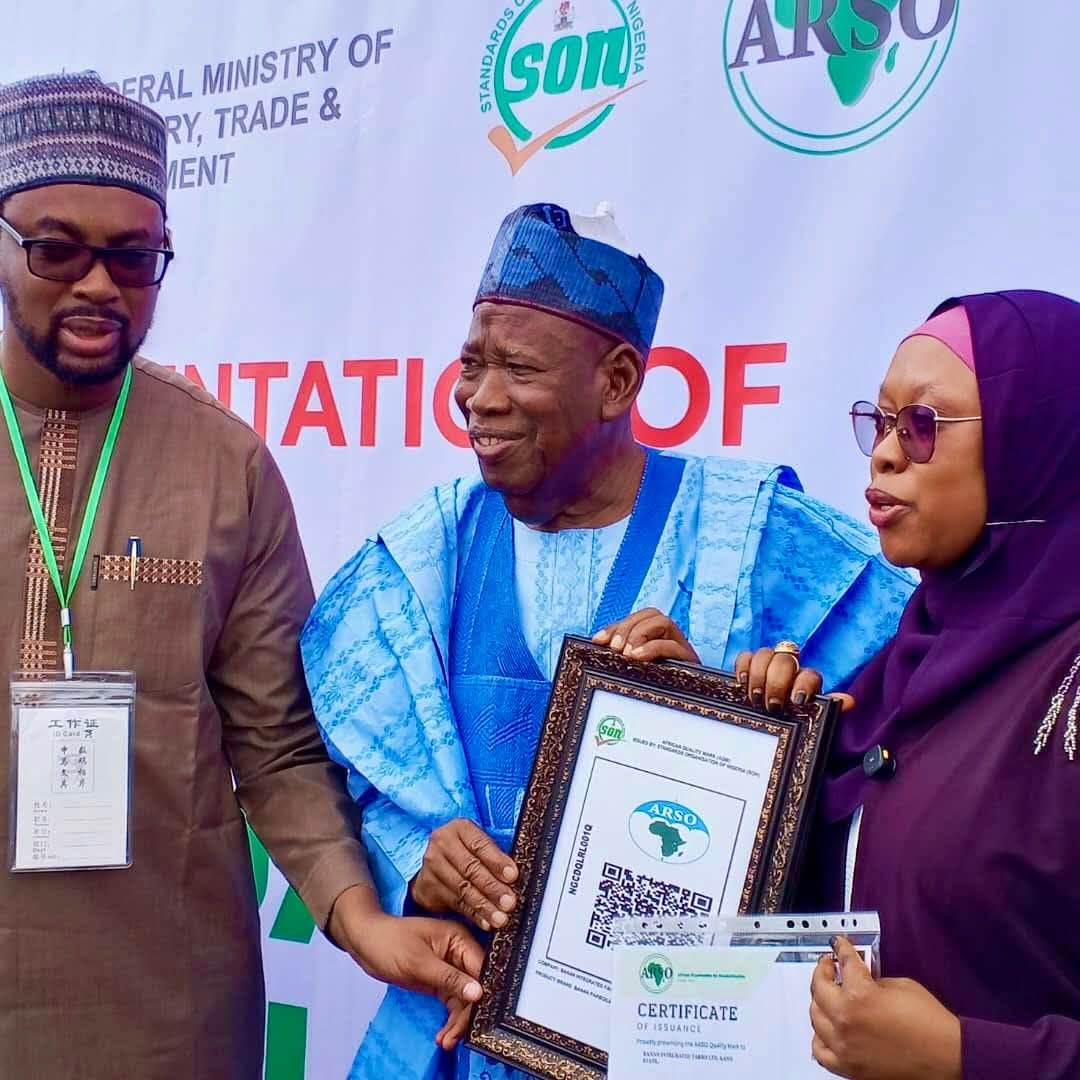
Quality is essential for national development, Ganduje declares at ARSO launch
Photos: How Kano Government-Owned Television Station Became a Source of Commercial Firewood
NEMA warns 178 Kano communities of flood risk, lists 28 vulnerable LGAs
It further alleged that some supporters associated with the Obidient Movement had, at various times, made comments it considered disrespectful to prominent northern historical figures, including Sir Ahmadu Bello, Sir Abubakar Tafawa Balewa, and Sheikh Usman Dan Fodio.
The statement questioned what it described as Kwankwaso’s silence regarding such comments and called on the former Kano State governor to clarify his position on issues relating to northern history, culture, and political heritage.
The group maintained that many supporters of the Kwankwasiyya Movement had identified with the movement because of its emphasis on northern interests and values, arguing that any political alliance should be consistent with those principles.
According to the statement, the reported partnership raises concerns among some northern political stakeholders regarding the future direction of the movement and its ideological identity.
The Northern Youth Assembly further claimed that the alliance reflects a shift from the original vision of the movement and urged northern voters to critically examine the political implications of emerging alliances ahead of the 2027 elections.
The group also called on political leaders across the region to remain committed to preserving and promoting the legacies of northern leaders whom it described as foundational figures in the region’s political and socio-cultural development.
It specifically referenced the contributions of Sir Ahmadu Bello, the Sardauna of Sokoto; Nigeria’s first Prime Minister, Sir Abubakar Tafawa Balewa; and Islamic scholar Sheikh Usman Dan Fodio, arguing that their legacies should continue to command respect across political divides.
While expressing disappointment over the reported alliance, the group urged northern political actors to prioritise regional development, unity, and the protection of what it termed the historical values and aspirations of the people of Northern Nigeria.
The statement concluded by describing Kwankwaso as a major political disappointment to those who had viewed him as a leading advocate of northern political interests, while calling on supporters of the movement to reflect on its future direction.