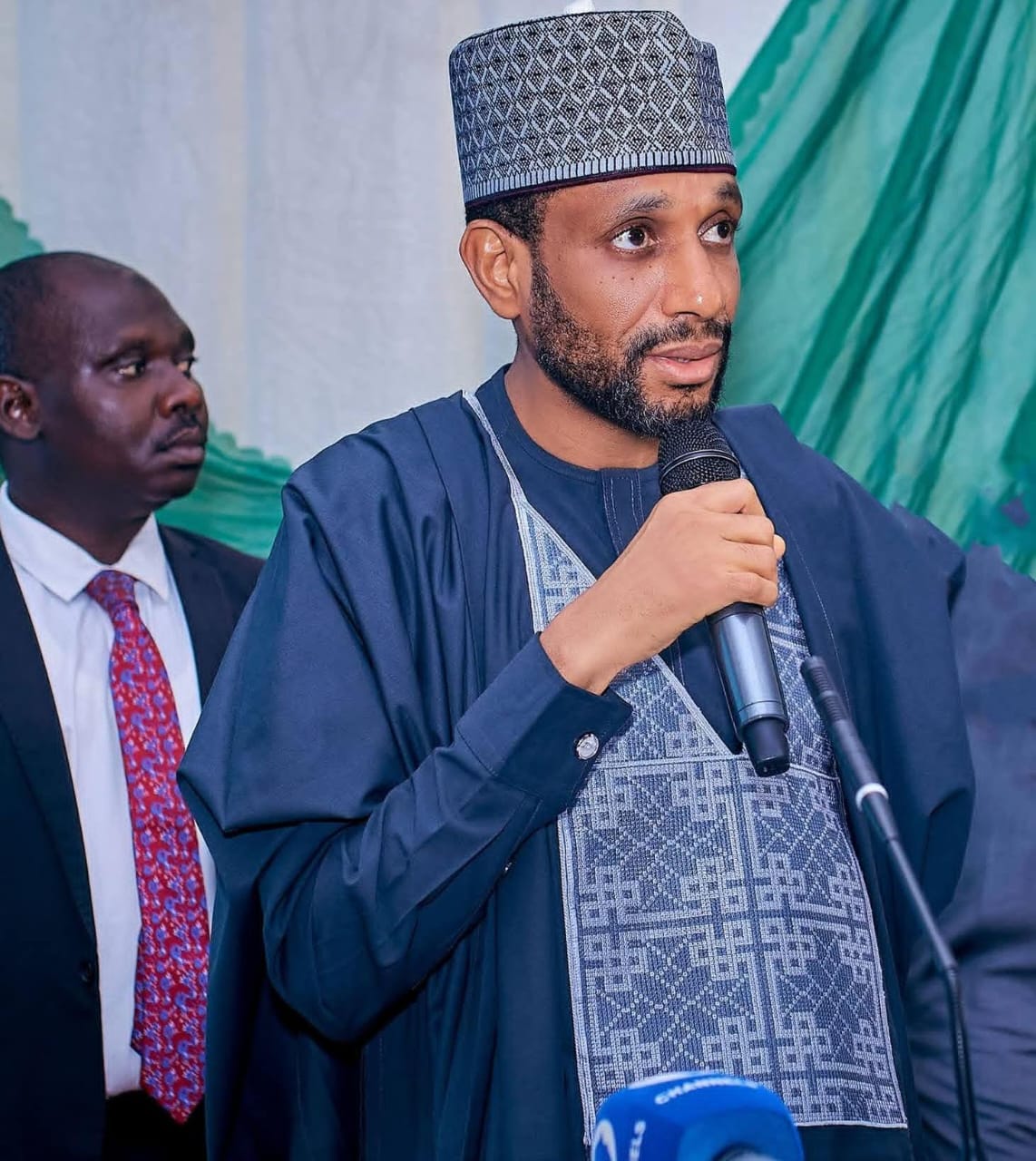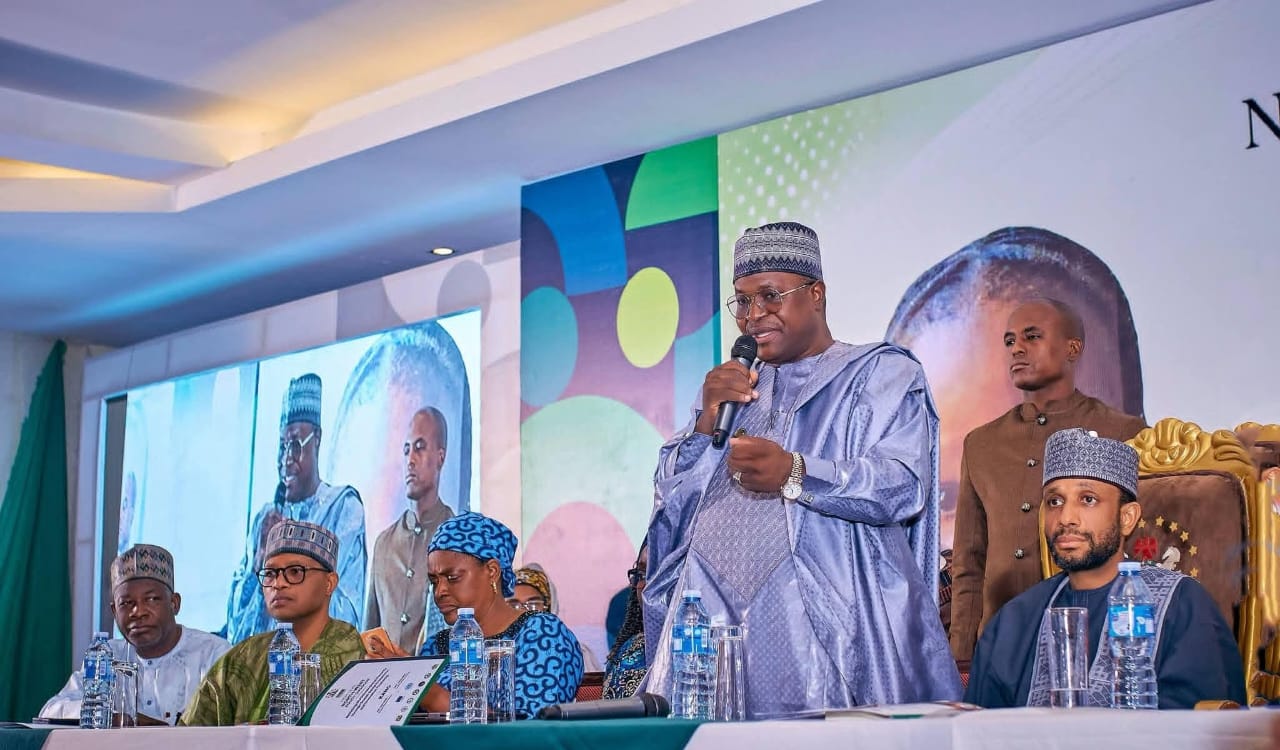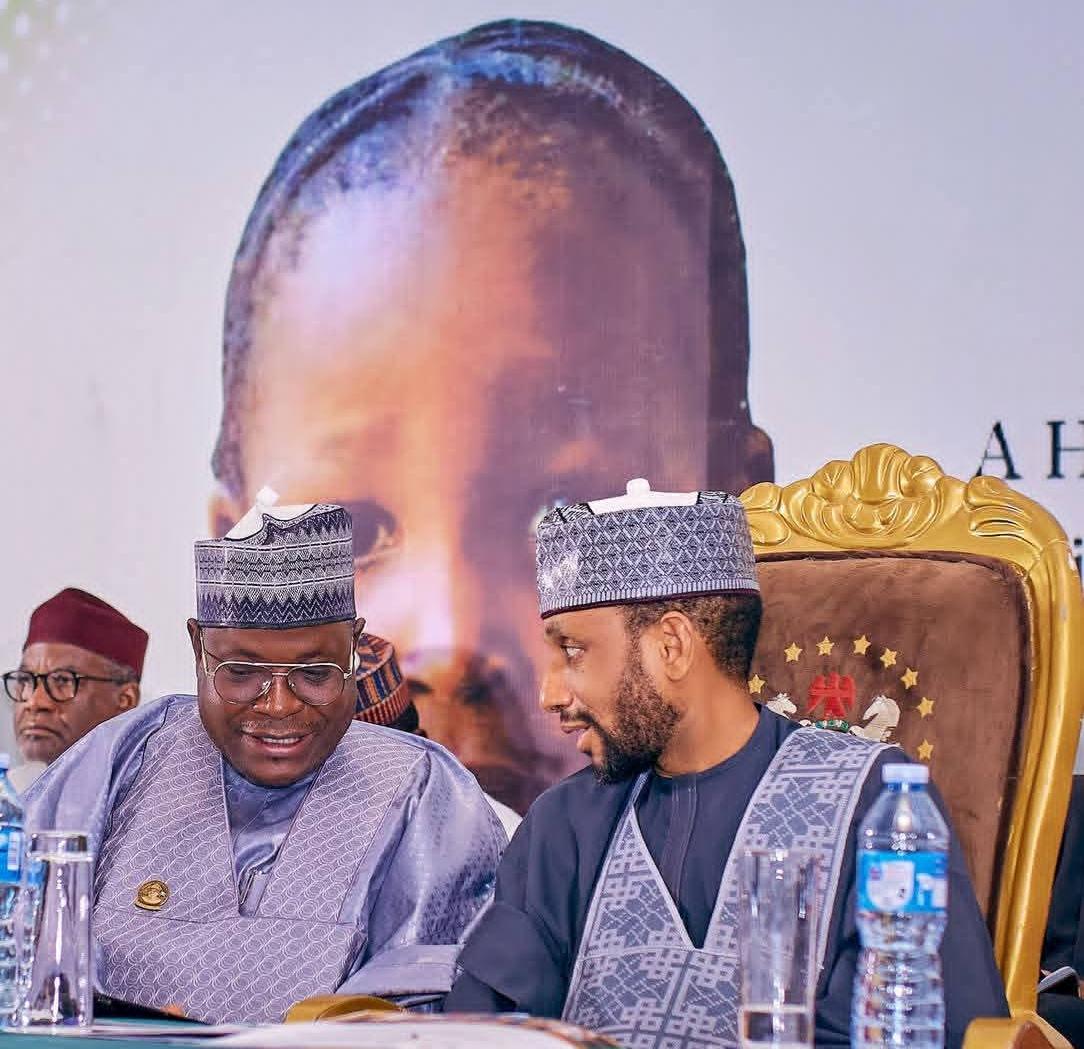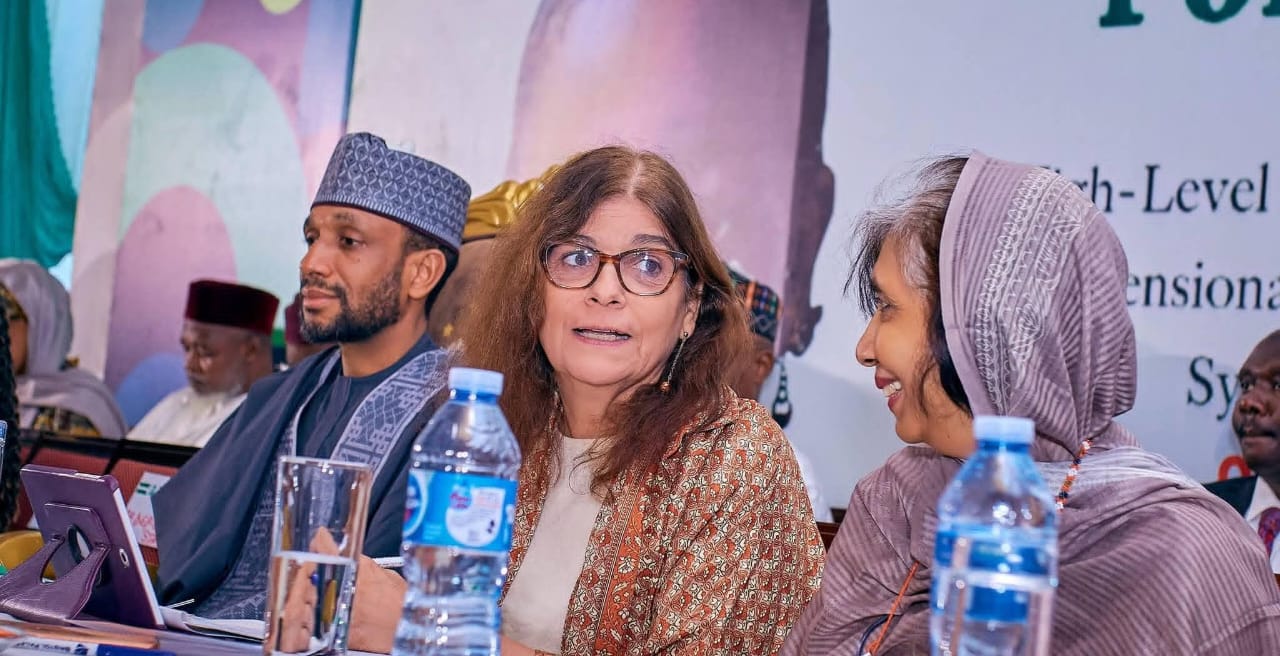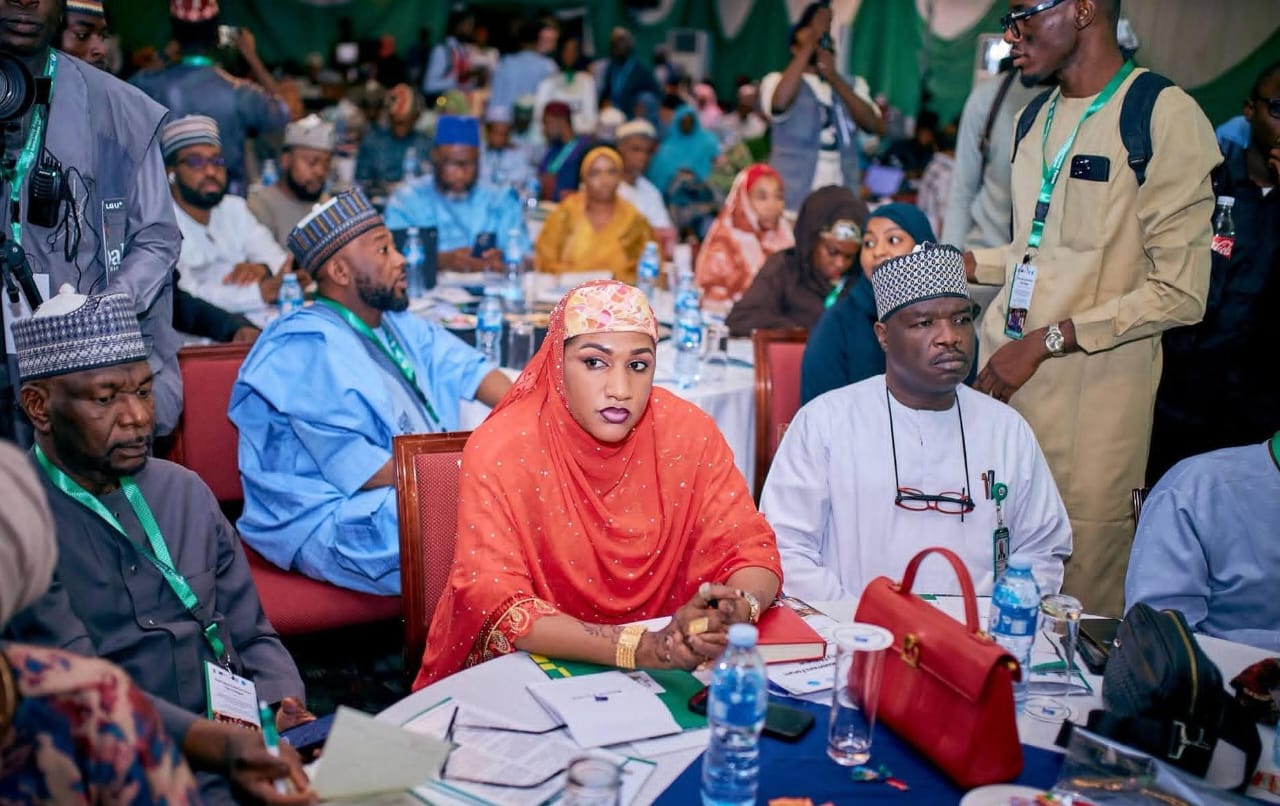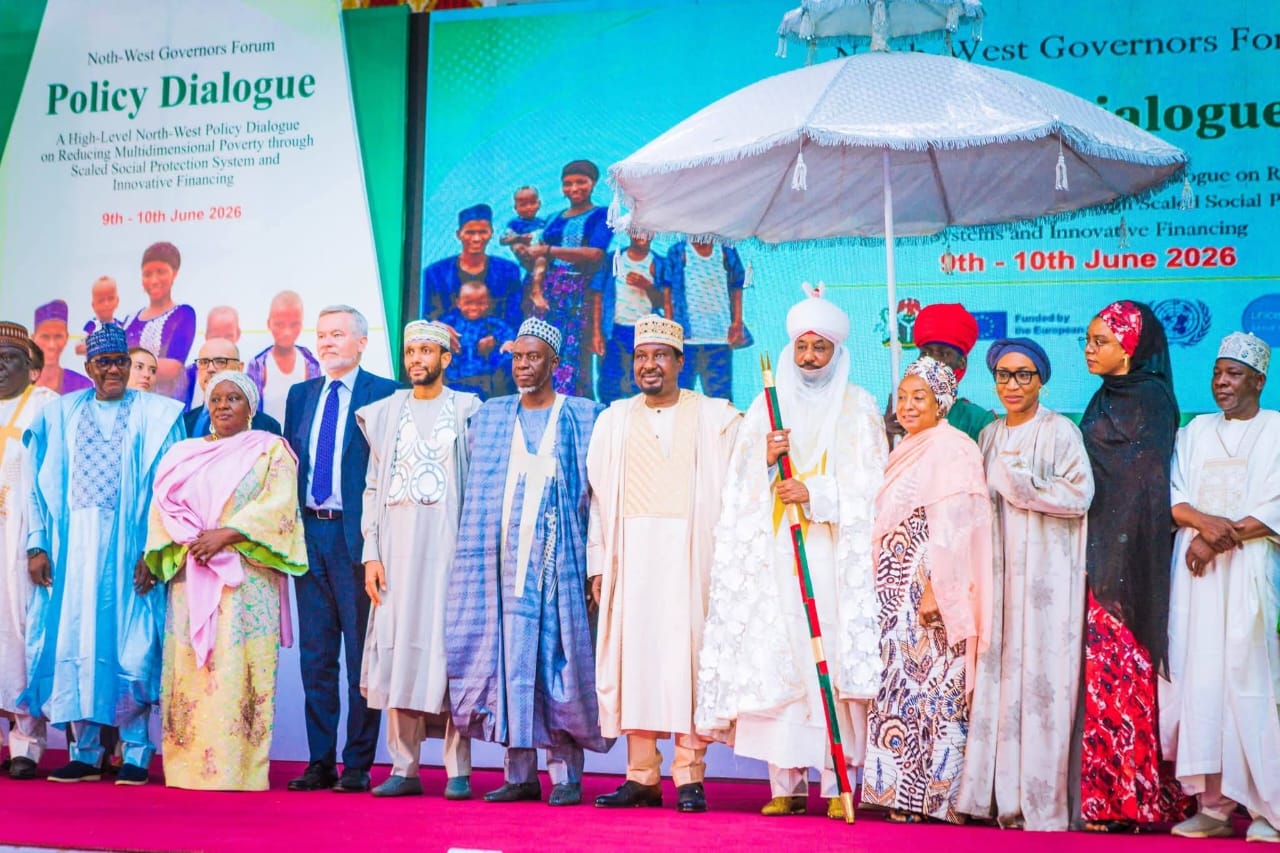
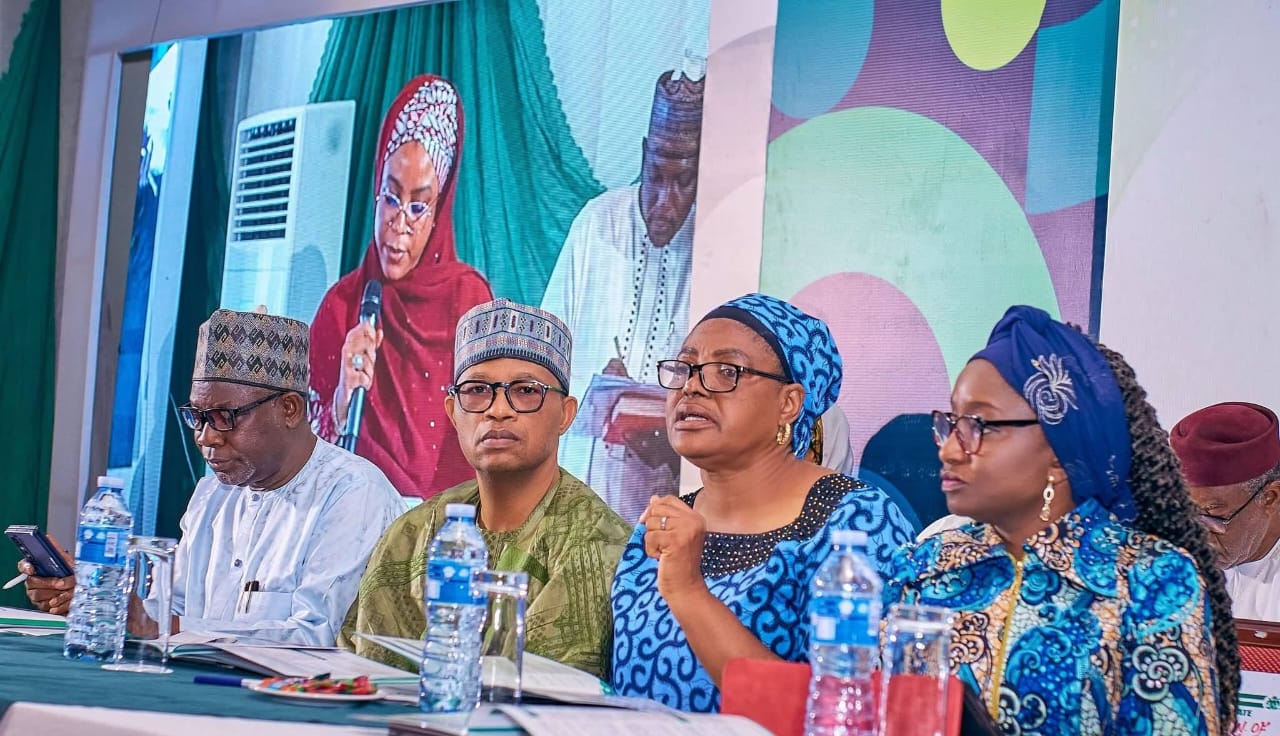

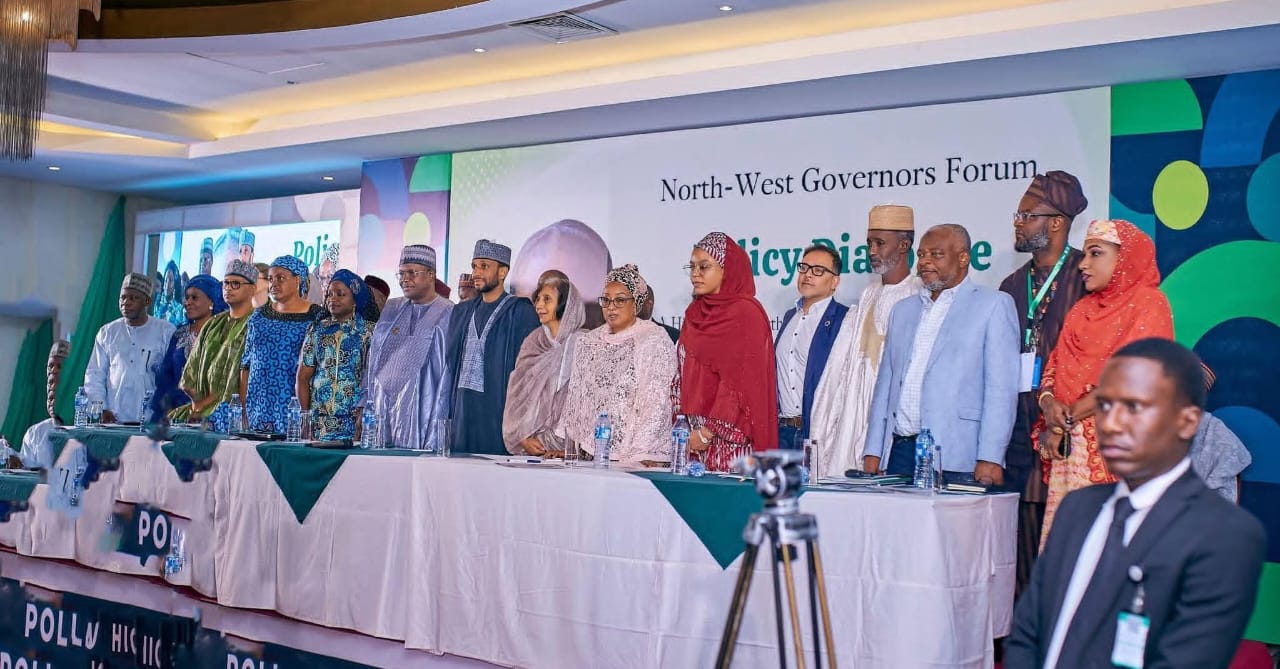
Key stakeholders from government, development agencies, the private sector, and civil society have converged in Kano State for a High-Level North-West Policy Dialogue aimed at addressing multidimensional poverty through scaled social protection systems and innovative financing mechanisms.
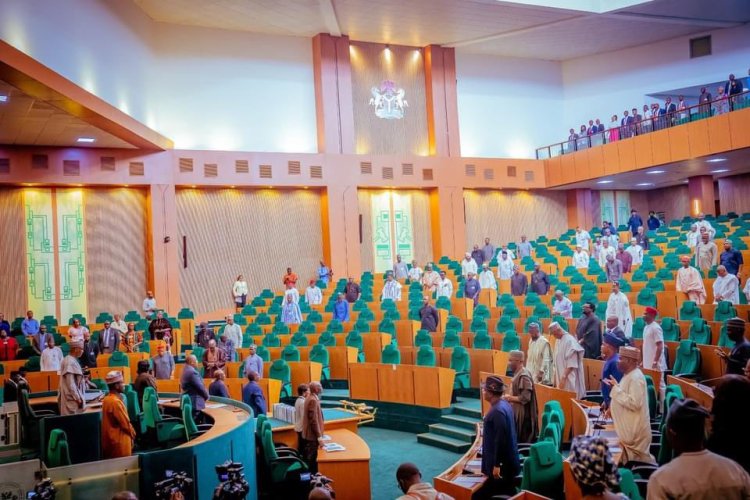
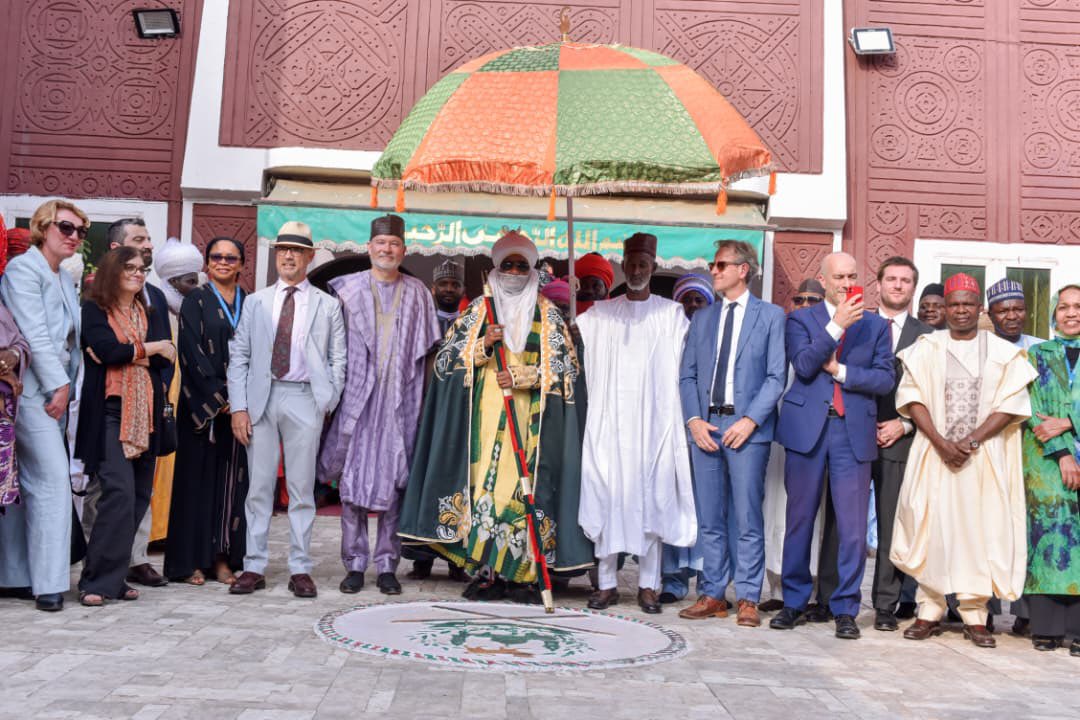
The two-day dialogue, organised by the North-West Governors’ Forum Secretariat under the theme, “From Commitment to Implementation: Financing the Future of Every Child and Leaving No One in the North-West Behind,” brought together policymakers, development partners, traditional institutions, philanthropic organisations, and experts to deliberate on practical strategies for reducing poverty and improving social welfare across the region.
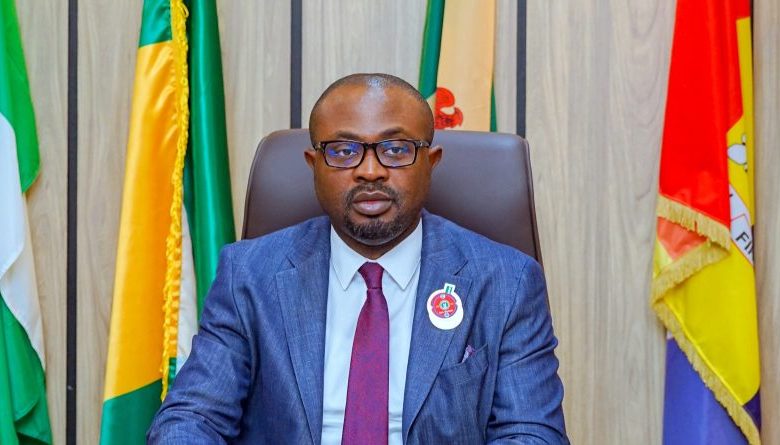
In her welcome address, the Director General of the North-West Governors’ Forum Secretariat, Hajiya Maryam Musa Yahaya, described the gathering as a critical step toward translating regional commitments into concrete actions.
She noted that despite the North-West’s enormous human and economic potential, the region continues to grapple with multidimensional poverty, poor health outcomes, insecurity, climate-related challenges, displacement, and a high number of out-of-school children.
According to her, social protection should not be viewed as charity but as an investment in human capital, stability, productivity, and long-term regional development.
Read Also:
UNICEF expands digital learning programme to tackle school dropout, youth unemployment
Nigeria Records Over 2 Million Zero-Dose Children, Ranks Among Highest Globally — Save the Children
The Historica Nigeria Report Triggers Govt Action as Commissioner Stops Tree Cutting at ARTV
Maryam Yahaya explained that the dialogue aligns with the implementation of the North-West Peace, Security and Development Framework, a regional roadmap adopted by the governors to address the drivers of fragility while accelerating human development.
She stressed the need for innovative financing approaches, including partnerships with the private sector, philanthropic institutions, and Islamic social finance mechanisms such as Zakat and Waqf, to complement government efforts in tackling poverty.
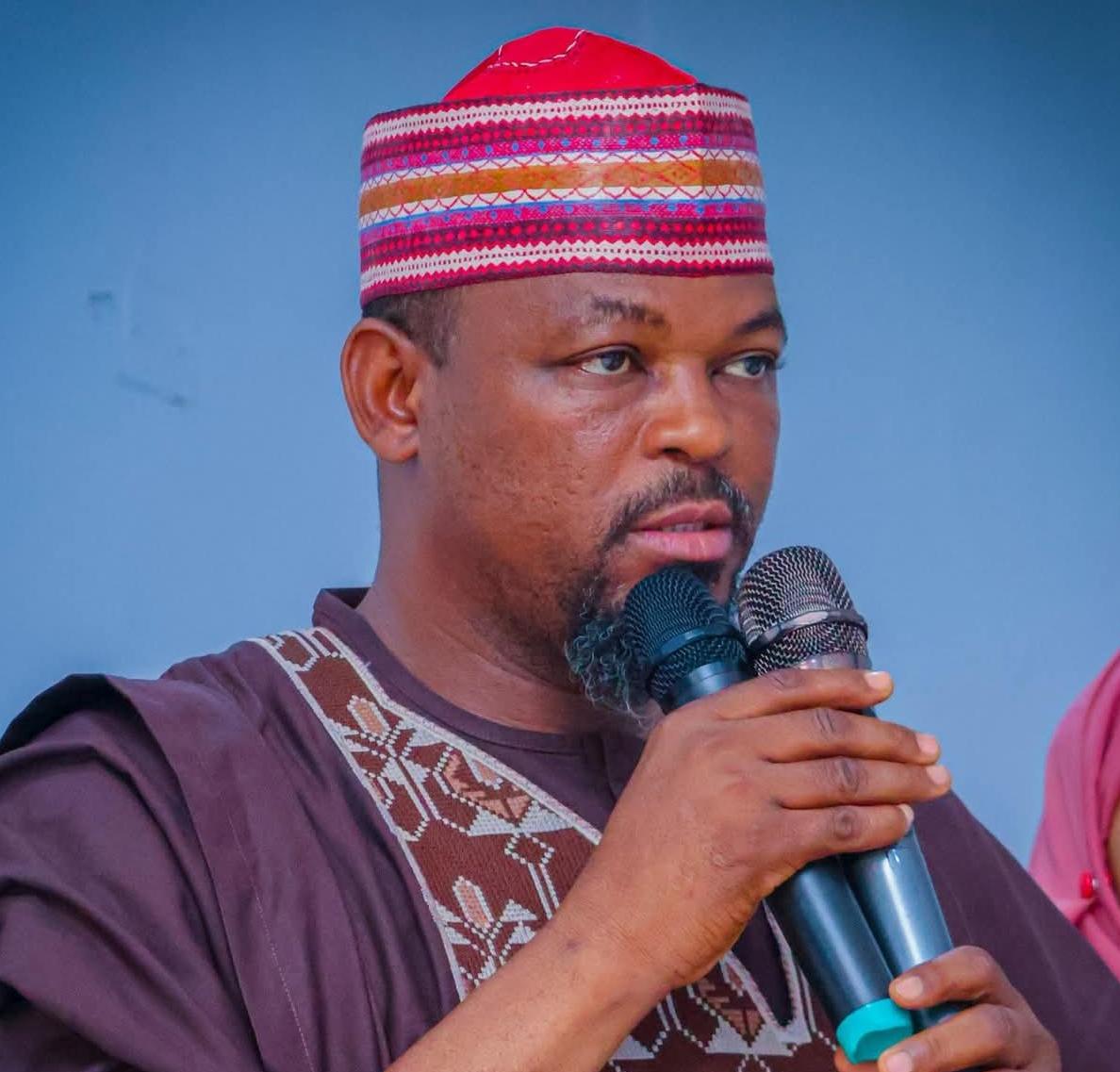
Speaking on behalf of Governor Abba Kabir Yusuf, the Deputy Governor of Kano State, Alhaji Murtala Sule Garo, reaffirmed the state government’s commitment to strengthening social protection programmes and improving the welfare of vulnerable citizens.
Garo said Kano State has already taken significant steps through the enactment of the Social Protection Policy Law in 2025 and the establishment of the Social Protection Directorate under the Ministry of Humanitarian Affairs and Poverty Alleviation.
He noted that the administration has continued to invest in education, healthcare, youth empowerment, skills acquisition, and social intervention programmes, but acknowledged the need for more integrated, data-driven, transparent, and sustainable social protection systems.
The Deputy Governor emphasized that innovative financing mechanisms, public-private partnerships, blended financing models, and enhanced domestic resource mobilisation would be essential in expanding social protection coverage and building resilience among vulnerable populations.
Also speaking, UNICEF Deputy Representative, Dr. Ronak Khan, highlighted the importance of strengthening social protection programmes across the North-West, particularly for children and vulnerable households.
He stressed the need for coordinated investments in health, education, nutrition, and child welfare to ensure that no child is left behind.
Permanent Secretary, Federal Ministry of Budget and Economic Planning, Dr. Deborah Odoh, assured participants of the Federal Government’s commitment to supporting social protection initiatives through dedicated budgetary allocations and policy support.
Similarly, the Head of Human Development Section of the European Union Delegation to Nigeria and ECOWAS, Leila Ben Amor Mathieu, called on policymakers to sustain investments in social welfare programmes, noting that long-term commitment would significantly reduce poverty and improve living standards across the region.
In his contribution, the Deputy Governor of Sokoto State, Engr. Idris Muhammad Gobir, advocated stronger policy measures to address the growing culture of street begging in Northern Nigeria.
He argued that access to both conventional and Islamic education should not be tied to begging, stressing that addressing the practice would contribute to social order, moral development, and human capital growth.
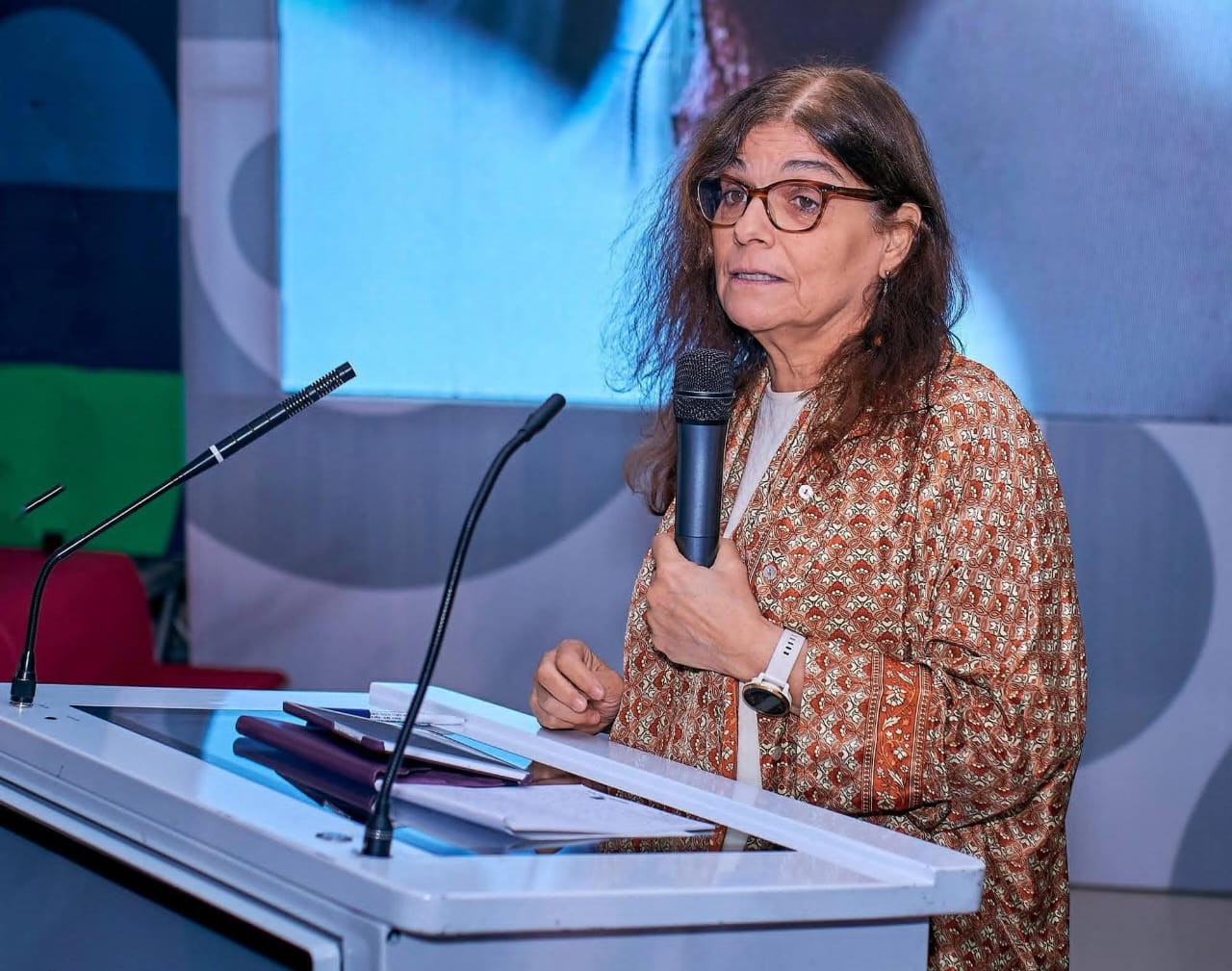
During a plenary session titled “The State of Multidimensional Poverty in the North-West: The Cost of Inaction, On Why Child Poverty Demands Immediate Financing Reforms,” Strategic Adviser to the United Nations Resident Coordinator in Nigeria, Dr. Maryam Uwais, emphasised the urgent need for increased investments in children.
She warned that failure to address child poverty would have long-term consequences on education, healthcare, productivity, and economic growth, urging governments and development partners to prioritise financing reforms that directly impact vulnerable children and families.
Also speaking during another technical session, the Programme Coordinator of the National Social Safety Nets Coordinating Office (NASSCO), Dr. Funmi Oluto, highlighted the critical role of social registries in building an effective social protection system.
She explained that reliable and updated social registry data remains essential for identifying vulnerable households, improving programme targeting, enhancing transparency, and ensuring that social interventions reach intended beneficiaries.
Participants are expected to develop actionable recommendations aimed at strengthening social protection systems, expanding financing options, and accelerating poverty reduction efforts across the seven North-West states.
The dialogue continues with technical sessions, policy reviews, and stakeholder engagements focused on developing practical solutions for improving the welfare and resilience of vulnerable populations across the region.