

Governors of Nigeria’s North-West states have pledged to implement concrete and time-bound measures aimed at reducing multidimensional poverty and improving the welfare of children and women across the region.
The commitment was contained in a statement signed by UNICEF Kano Communication Specialist, Samuel Kaalu, and made available to ‘The Historica Nigeria’ on Thursday following the conclusion of a two day high-level policy dialogue held in Kano.
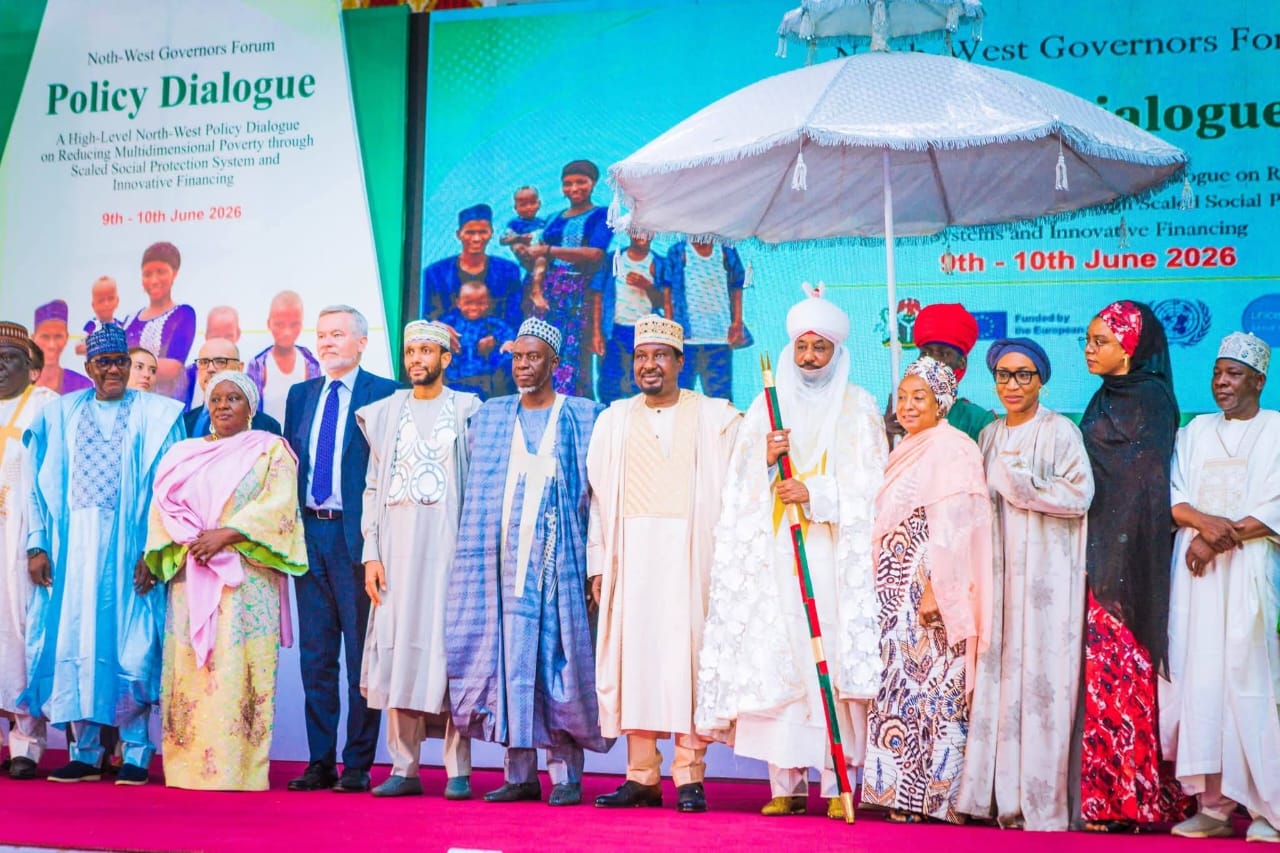
The dialogue was convened by the North-West Governors’ Forum in collaboration with the Office of the Vice President, the European Union (EU), UNICEF and other development partners.
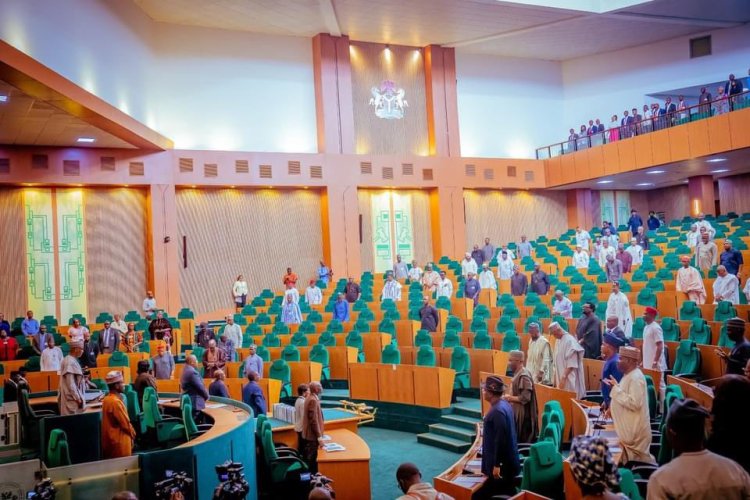
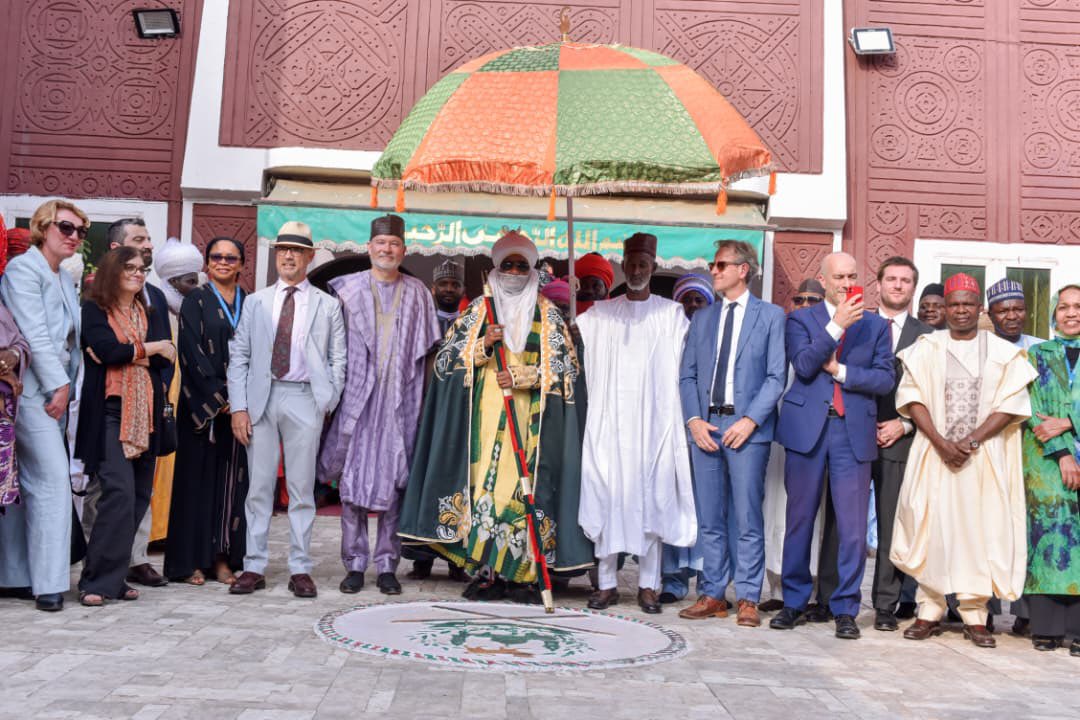
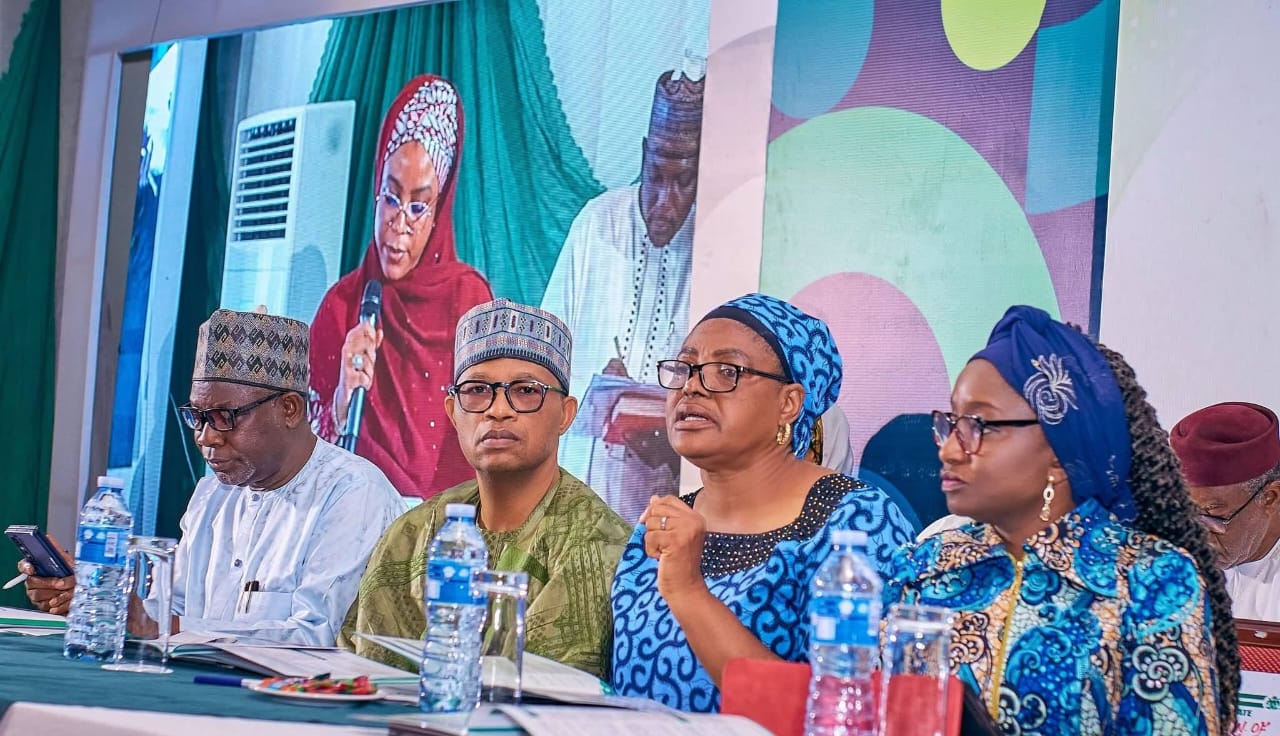
The two-day event brought together governors, federal ministers, senior government officials, traditional and religious leaders, private sector representatives, youth groups and development partners to deliberate on practical strategies for addressing poverty and vulnerability across the region.
Read Also:
Photos: FG, North-West Governors, Development Partners Unite on Social Protection Agenda
North-West Poverty Requires Collective Regional Action, Says Maryam Yahaya
UNICEF expands digital learning programme to tackle school dropout, youth unemployment
Home to an estimated 60 million people, the North-West continues to face some of the highest levels of multidimensional poverty in Nigeria, with children and women disproportionately affected. The region also grapples with challenges related to education, healthcare, nutrition, water and sanitation, income security, displacement and insecurity.
Participants at the dialogue focused on strengthening social protection systems, improving access to quality healthcare and education, and mobilising sustainable and innovative financing mechanisms to support vulnerable populations, particularly women and children.
At the end of the meeting, the governors adopted a joint communiqué outlining key commitments aimed at expanding social protection systems, including child-focused benefits, strengthening service delivery and increasing domestic financing for poverty reduction programmes.
The governors also endorsed a roadmap and monitoring framework designed to track progress and ensure accountability in the implementation of agreed actions across the seven North-West states.
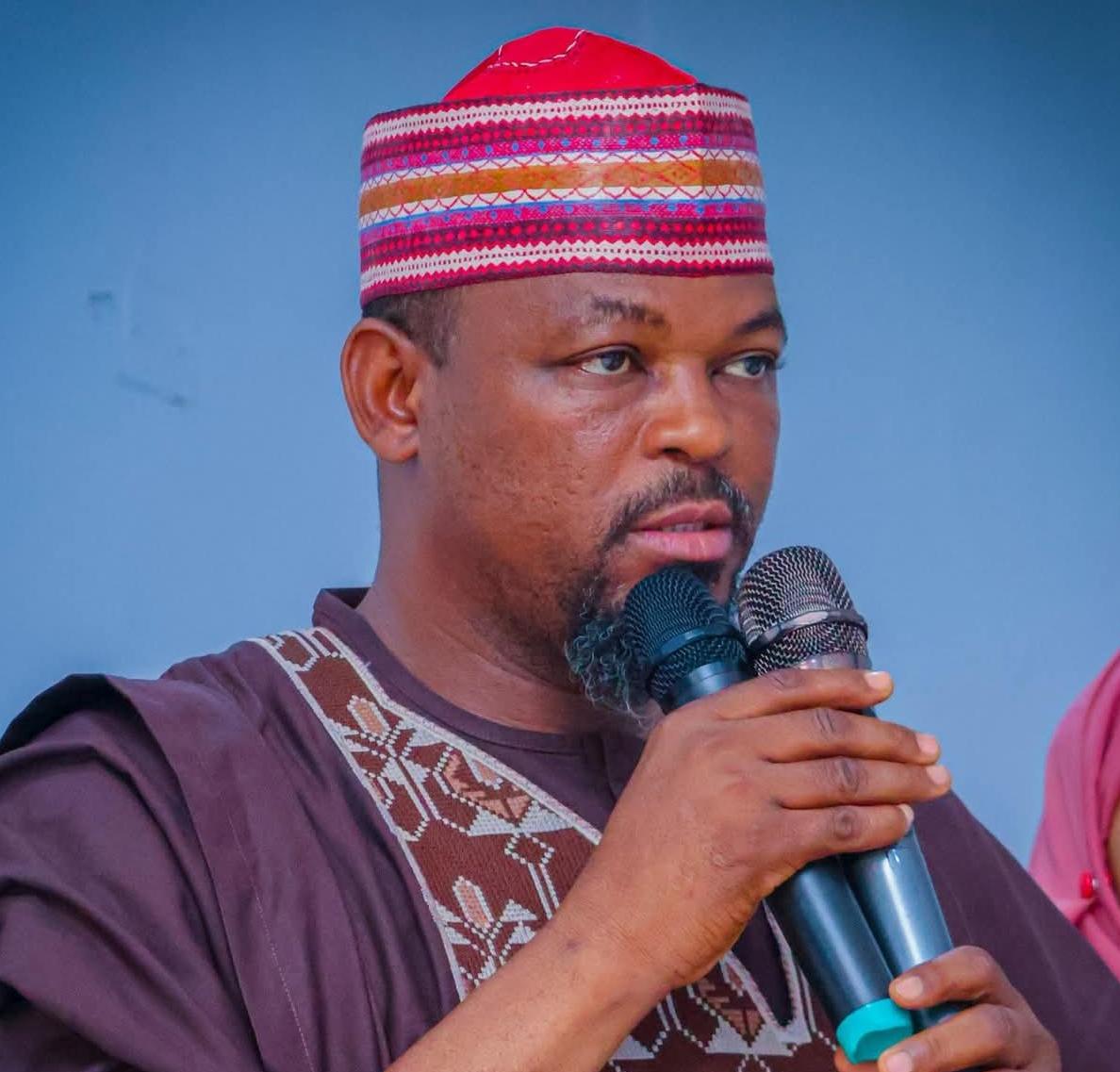
Speaking on behalf of the Chairman of the North-West Governors’ Forum and Governor of Katsina State, Malam Dikko Umaru Radda, the Deputy Governor of Katsina State, Malam Faruk Lawal Jobe, described the outcome of the dialogue as a transition from commitments to action.
According to him, the region now has a clear set of priorities and responsibilities that will guide investments in people, particularly children, and ensure that communities experience measurable improvements in their living conditions.
“The region now has a clear set of priorities and responsibilities that will guide how we invest in our people, particularly children, and deliver results that communities can see and feel,” he stated.
Vice President Kashim Shettima underscored the importance of sustained leadership and coordination in ensuring that the resolutions reached at the dialogue translate into tangible benefits for citizens across the North-West.
Represented at the event, the Vice President reaffirmed the Federal Government’s support for the states and emphasized that the true measure of success would be the speed and effectiveness with which the commitments improve the lives of families across the region.
Also speaking, the European Union Ambassador to Nigeria and ECOWAS, Ambassador Gautier Mignot, highlighted the importance of adequate financing and accountability mechanisms in achieving lasting change.
He noted that strong commitments must be supported by sustained investments and transparent systems capable of ensuring that resources reach the people who need them most.
The UNICEF Representative in Nigeria, Wafaa Saeed, stressed the urgency of accelerating interventions targeted at children in the North-West, noting that millions of children remain vulnerable to poverty and deprivation.
According to her, expanding social protection programmes and improving access to healthcare and education will determine whether children in the region have the opportunity to survive, learn and thrive.
“For children in the North-West, time is critical. Expanding social protection, improving access to health and education, and prioritising the most vulnerable will determine whether millions of children have the chance to survive, learn and thrive,” she said.
The dialogue forms part of broader regional efforts aimed at strengthening peace, security and socio-economic development, with stakeholders recognising that reducing poverty and vulnerability remains essential to achieving long-term stability and growth.
UNICEF reaffirmed its commitment to continue working with governments and development partners to support the implementation of the resolutions reached at the dialogue and to ensure that every child, especially the most vulnerable, benefits from social protection and development programmes.
The organisation noted that achieving meaningful progress in the North-West is critical not only for Nigeria but also for broader regional and global development goals.