The Historica Nigeria

2025

Abuja, News, Politics

Abdulmumin Jibrin Kofa Meets President Tinubu for the Second Time in Two Weeks

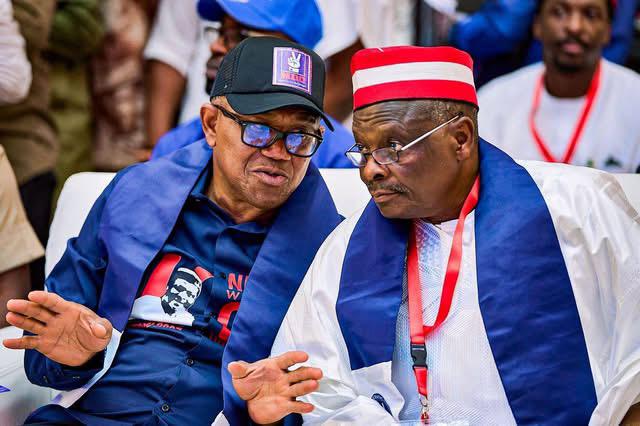
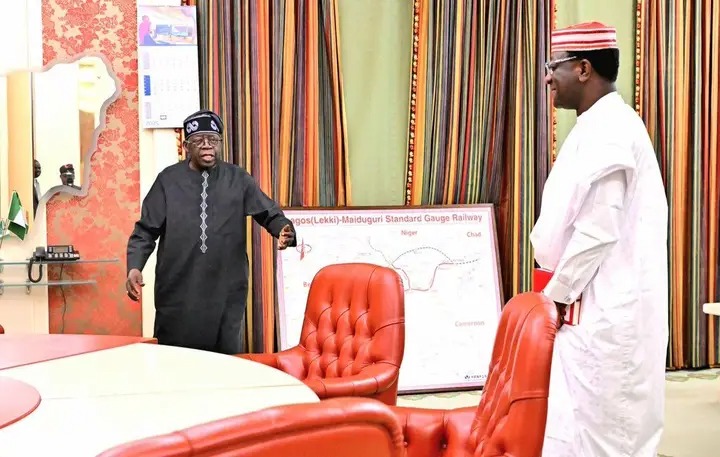
Hon. Abdulmumin Jibrin Kofa, member representing Kiru/Bebeji Federal Constituency of Kano State, has met with President Bola Ahmed Tinubu in a closed-door session at the State House, Abuja. The meeting, held on Sunday night, lasted nearly two hours, marking the second private discussion between the lawmaker and the President in less than two weeks. Read Also: Tinubu Names Nasir Bala Ja’oji Senior Special Assistant on Citizenship and Leadership While Jibrin declined to disclose details of the talks, sources familiar with the meeting suggested it may be linked to the relationship between former Kano State Governor Rabiu Musa Kwankwaso and President Tinubu, as well as growing anti-APC sentiments in parts of northern Nigeria. During his previous visit ten days earlier, Jibrin had told State House correspondents that he discussed “issues of national development” with the President.

Kano, News

Tinubu Names Nasir Bala Ja’oji Senior Special Assistant on Citizenship and Leadership

President Bola Ahmed Tinubu has appointed Nasir Bala Aminu Ja’oji as Senior Special Assistant on Citizenship and Leadership. This was conveyed in a statement signed by Bayo Onanuga, Special Adviser to the President on Information and Strategy. According to the Presidency, the appointments are aimed at strengthening the leadership and citizenship training framework in the country. Read Also: Meet Engr. Abdullahi Garba Ramat, NERC Chairman Mr. Ja’oji, a former Special Adviser on Mobilisation to the Governor of Kano State and a member of the Governing Council of the Coordinated Arewa Youth Groups, is a strong advocate for women and youth empowerment as well as community development. In the same announcement, the President also approved the appointment of Ms. Rinsola Abiola as Director-General of the Citizenship and Leadership Training Centre (CLTC). Ms. Abiola, a seasoned professional in strategic communication and government relations, previously served as Senior Special Assistant to the President and brings a wealth of experience in public service and leadership development to her new role.

National, News, Security

260 Nigerian Army Officers Begin Career-Defining Examination in Jaji

The quiet town of Jaji in Kaduna State is once again at the centre of a defining moment for the Nigerian Army, as 260 middle cadre officers file into the imposing Ihejirika Auditorium for what could be a turning point in their military careers. It is the 2025 Senior Staff Course Qualifying Examination — an annual rite of passage that separates those ready to move into the army’s leadership ranks from those who must try again. Organised by the Training and Doctrine Command (TRADOC), the week-long test is designed to probe not just knowledge, but determination, technical skill, and professional judgement. Read Also: GOC 3rd Division Decorates Newly Promoted Captains, Urges Discipline and Financial Prudence At the opening ceremony on Sunday, Maj.-Gen. Kelvin Aligbe, President of the Examination Board, addressed the candidates with the tone of a seasoned commander who knows the weight of the moment. “This examination will shape the leadership pipeline of the Nigerian Army,” he declared. Eight subjects lie ahead for the officers, from tactics and low-intensity conflict to geopolitics and military law. But Maj.-Gen. Aligbe made it clear that success here will not be measured by brilliance alone; integrity will be just as important. “This is an examination you can pass without resorting to any illegal or fraudulent means,” he told them, promising a process that would be fair, transparent, and grounded in merit. “If you have prepared, you will pass. There is no excuse for failure.” To make the stakes even clearer, he reminded them of the rules: a minimum of 50 per cent in every subject to qualify for the Armed Forces Command and Staff College, and no more than three attempts allowed in a career. While many of the candidates are sitting for the exam for the first time, a few are returning for a second chance. For all of them, the outcome will decide whether they take the next step towards senior command or return to the field to try again next year. By the end of this process, Maj.-Gen. Aligbe believes the Nigerian Army will have identified “the next generation of leaders” ready to take on the challenges of a modern and complex security environment.

Kano, Politics

Dan Maliki’s Leadership Tactics: Steering Dawakin Tofa into a New Era

The election of Governor Abba Kabir Yusuf popularly known as Abba Gida Gida marked a turning point in Kano State’s governance. His rise brought with it a wave of change that quickly reached the grassroots, reshaping local administration in ways both bold and strategic. Among the most notable transformations has been in Dawakin Tofa Local Government, where businessman-turned-politician Anas Mukhtar Bello, widely known as Dan Maliki, assumed the role of Chairman. A man celebrated for his integrity and sharp business acumen, Dan Maliki has wasted no time in demonstrating a results-driven approach to governance. Read Also: Unlike Others, Ganduje Completed All Projects Before His Exit From fiscal reforms to educational breakthroughs, land recovery to youth empowerment, his tenure has been characterized by decisive action, transparency, and community-oriented leadership. Shaking Up the Revenue System One of Dan Maliki’s first moves was a deep dive into the Local Government’s Internally Generated Revenue (IGR). What he found was troubling monthly revenue of less than ₦2 million, despite Dawakin Tofa housing two economic giants: Africa’s largest grains market and Kwakwaci Mechanic Village, the largest in Northern Nigeria. Within months, his administration plugged leakages, ended corruption-linked scandals, and raised monthly IGR to nearly ₦50 million: an unprecedented financial turnaround that set a new benchmark for local governance in Kano. Education as a Priority, Not a Promise If there is a sector where Dan Maliki’s vision shines brightest, it is education. Viewing it as the backbone of community progress, he established a strong Scholarship Committee led by Hon. Mijinyawa. The committee has since secured fully funded scholarships for over 1,000 students across tertiary institutions, including universities, polytechnics, monotechnics, and health colleges. Read Also: Why Kano APC Backs Ganduje, Declares Him ‘Undisputed Leader’ of the Party He cleared all unpaid student fees inherited from the previous administration and recently screened more than 100 postgraduate candidates for MSc and PhD schoolarship, a first in the history of Dawakin Tofa. Land Reforms and Accountability Determined to restore public trust, Dan Maliki revoked illegally sold government lands and reclaimed grazing reserves unlawfully converted for farming. These measures not only protected government assets but also safeguarded the livelihoods of Fulani herders, ensuring peace between farming and pastoral communities. Youth Empowerment on Multiple Fronts Under his watch, youth empowerment has gone beyond rhetoric. From cash support for start-ups to job placements in Federal, State, and Local Government offices, Dan Maliki has positioned young people for economic independence. His administration facilitated the appointment of over a dozen Dawakin Tofa indigenes at Federal University Dutsin-Ma and distributed motorcycles to support youth in business and transport ventures. Rewarding Party Loyalty Dan Maliki’s political instincts are as sharp as his administrative skills. In recent months, he has rewarded dedicated NNPP party members with cars, motorcycles, and cash. Ward leaders received ₦100,000 each, while selected youths were given ₦200,000 ahead of Eid celebrations to purchase rams. Six notable youth activists also received ₦1 million each in recent development, to enable them embark in self reliance business. His leadership and administration has spurred mass defections from rival parties, particularly the APC, into the NNPP fold. Community Projects that Speak for Themselves Infrastructure development remains another pillar of his leadership. From building and renovating classrooms in primary schools to upgrading health facilities and modernizing the Local Government Secretariat, Dan Maliki’s tenure has been marked by tangible, community-focused projects. A Trusted Ally of the Governor Loyalty and cooperation with the State Government have been central to his approach. Dan Maliki’s alignment with Governor Abba Kabir Yusuf’s vision has ensured smooth coordination between state and local initiatives, amplifying the benefits to Dawakin Tofa residents. In less than a year, Hon. Anas Mukhtar Bello Dan Maliki has redefined what local government leadership can look like accountable, people-centered, and transformative. For many in Dawakin Tofa, his name is now synonymous with opportunity, reform, and tangible results.

National, News

NYSC Clarifies Certificate Withholding Case Involving Corps Member Who Criticised Tinubu

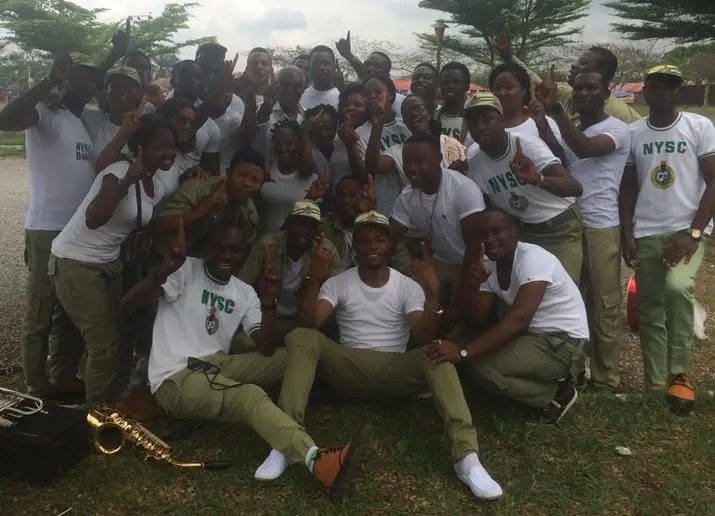
The National Youth Service Corps (NYSC) has refuted reports circulating on social media claiming that a corps member, Ushie Rita Uguamaye, with state code number LA/24B/8325, was denied her Certificate of National Service (CNS) over alleged critical comments about the government. Uguamaye had drawn public attention after criticising the Federal Government over the delay in paying the recently approved increase in monthly allowance to serving corps members. The government had raised the allowance from N33,000 to N77,000, but payment of the revised amount was delayed, prompting Uguamaye to release a viral video lamenting the hardship caused to corps members. Read Also: Where Daily Trust Missed the Mark on Ganduje’s Exit, Facts Over Speculation Her comments generated mixed reactions while some hailed her boldness, others argued it was improper for a serving corps member to publicly criticise the government or the scheme. Rumours later emerged that her service year had been extended as punishment, and more recently, claims surfaced that her certificate had been withheld for political reasons. Responding in a statement on Sunday via its official social media handles, the NYSC dismissed the allegations as “entirely unfounded and false in their entirety,” stressing that the decision to withhold Uguamaye’s certificate was based on “valid disciplinary reasons” in line with its established regulations. According to the NYSC, Uguamaye is among 131 corps members whose certificates were withheld for various infractions. In her case, the scheme said her service year was extended by two months after she failed to attend the April 2025 biometric clearance exercise, a breach that attracts an automatic extension under the NYSC bye-laws. “This extension is a standard procedure and not unique to her case. The principle of equal treatment was applied as it is in all similar situations,” the statement read. The NYSC urged the public to assess the matter objectively and avoid politicising it, noting that such sanctions for non-compliance have been part of the scheme’s operations for decades. “The NYSC remains committed to discharging its mandate in line with the dictates of the constitution,” the statement added, while reaffirming its pledge to uphold fairness, discipline, and professionalism in the conduct of the national service.

Feature, Kano, National

Where Daily Trust Missed the Mark on Ganduje’s Exit, Facts Over Speculation

When Abdullahi Umar Ganduje voluntarily stepped down as National Chairman of the All Progressives Congress (APC) on June 27, 2025, the explanation from his former Chief of Staff, Malam Muhammad Garba, was straightforward, that “My principal was not removed as national chairman of the APC; he voluntarily resigned in the best interest of the party and to attend to some personal matters. He is currently in sound health and taking a well-deserved rest in London.” Yet, in the days that followed, much of the public discourse tilted toward conjecture. Speculation especially in Daily Trust’s account suggested presidential distancing, internal trade-offs to lure the NNPP into the APC, and even regional balancing politics. But these theories were built on anonymous voices, absent of Ganduje’s own perspective, and ignored Garba’s unequivocal statement. The result was a narrative shaped more by rumour than fact, something that undermines both journalistic ethics and political clarity. Related: Unlike Others, Ganduje Completed All Projects Before His Exit Ganduje’s tenure as APC National Chairman was marked by steady hands at a turbulent time. He inherited a party navigating post-election turbulence, factional undercurrents, and coalition fatigue. In less than a year, he consolidated national structures, kept the party machinery running without major internal implosions, and reached out to defectors from opposition parties. His political machinery, honed during his years as Kano governor, proved vital in ward-level mobilization, which is a critical factor in a country where grassroots politics often decides national outcomes. The presidency should also recognize that Ganduje’s political bloc is now more formidable than ever. With the current NNPP administration in Kano contributing far less to the state’s development compared to Ganduje’s tenure as governor, public sentiment is shifting. This growing dissatisfaction, combined with Ganduje’s enduring grassroots networks, means that APC stands a strong chance of reclaiming Kano if he remains fully engaged. In simple terms, keeping him central to party strategy is not just an advantage, rather a guarantee for victory in the state. Read Also: Why Kano APC Backs Ganduje, Declares Him ‘Undisputed Leader’ of the Party Kano itself is no ordinary battleground. It is Nigeria’s largest vote bank, delivering millions of ballots in presidential elections. Since 2015, APC’s dominance here has hinged on the “coalition factor”, uniting different political blocs, including defectors from smaller parties like the African Democratic Congress (ADC). Ganduje has been central to this unity, forging alliances across ideological divides and maintaining party loyalty among historically unpredictable voting blocs. His influence does not stop at Kano’s borders. Ganduje’s political reach extends into Jigawa, Katsina, Zamfara, and even Sokoto, making him a key figure in the broader Northwest electoral calculus. The numbers speak for themselves, in presidential races, the Northwest routinely delivers the highest regional vote share, and any fragmentation here could tilt the national balance. This is why sidelining Ganduje now carries a political cost. Without his coordinating presence, the APC risks losing cohesion in Kano’s coalition politics, allowing voter turnout to slip and opposition parties to regain ground. The fact is simple, Ganduje remains one of the very few with the tested capacity, grassroots trust, and strategic positioning to keep the Northwest in APC’s column. If APC truly intends to dominate the 2027 polls, particularly in the Northwest, Ganduje should not just be recognized for past service but actively engaged in a role that matches his political weight. This is not about sentiment or personal loyalty but electoral necessity. The Northwest’s numbers will decide the next presidency, and Ganduje is still the man who can deliver them. Umar is a public affairs analyst writes from Kano. shuaibuumaridris@gmail.com

Kano, National, News

Engineers Urged to Harness Northwest Biomass as COREN Demands Certified Leadership

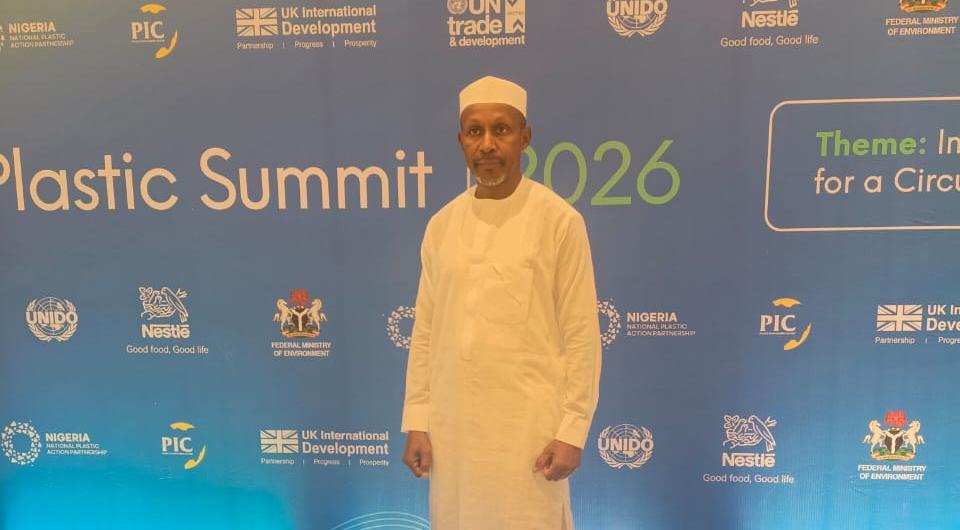
The General Manager, Market Operations at the Nigerian Electricity Market, Ali Bukar Ahmad, has called on Nigerian engineers to harness the vast biomass resources in the Northwest, which account for over 80% of the region’s renewable energy potential. Speaking at the Annual Memorial Lecture in honour of late Engr. Ibrahim Khaleel Inuwa, Ahmad explained that biomass derived from agricultural residues, animal waste, and other organic matter, offers a sustainable and reliable alternative to fossil fuels. With the Northwest’s strong agricultural base, he noted, these resources are abundant, renewable, and capable of providing a consistent energy supply while reducing environmental pollution. “If properly harnessed, biomass could power rural communities, support agro-industries, and significantly cut dependency on costly fossil-based electricity,” he said. Ahmad urged the conduct of a comprehensive survey across Northwest states to identify the most viable biomass options for each location, stressing that such a targeted approach would maximise impact and ensure long-term sustainability. Read Also: Meet Engr. Abdullahi Garba Ramat, NERC Chairman In his remarks, the Registrar of the Council for the Regulation of Engineering in Nigeria (COREN), Engr. Prof. Okorie Austine Uchegusi, stressed the importance of appointing certified engineers to leadership positions in engineering-related agencies and parastatals. He argued that matching engineering responsibilities with the right expertise is vital to reversing persistent infrastructural failures and curbing unprofessional practices in project execution. “Putting certified COREN engineers at the helm of engineering institutions is one major step towards solving the problems of dilapidated infrastructure, recurring project failures, and lack of technical competence,” he stated. Prof. Uchegusi expressed concern over the increasing number of young Nigerian engineering graduates leaving for opportunities abroad due to limited recognition and lack of meaningful projects at home. “It is disheartening to see our young talents contributing to other nations’ development when their expertise is desperately needed here. If we continue to deny them opportunities, we are only pushing them further away,” he lamented. He pledged to restore the dignity and integrity of the profession, adding that recurring engineering disasters such as building collapses and frequent failures in the national grid could be drastically reduced if certified professionals were appointed to relevant positions. Delivering a virtual address, the Executive Vice Chairman of the National Agency for Science and Engineering Infrastructure (NASENI), Khalil Sulaiman Halilu, reaffirmed the agency’s readiness to support, strengthen, and champion engineering-driven development across the country. He emphasised that NASENI’s mandate goes beyond policy advocacy, encompassing direct intervention in research, technology deployment, and capacity building. According to him, the agency is committed to forging strategic partnerships with engineering institutions, state governments, and private investors to accelerate industrial growth, modernise infrastructure, and enhance Nigeria’s technological competitiveness. On his part, chairman of the Kabuga Branch of the Nigerian Society of Engineers, Engr. Prof. Ibrahim Abdullahi, said the annual remembrance was organised to celebrate the enduring legacy of late Engr. I.K Inuwa, whose vision and contributions continue to inspire the engineering profession in Nigeria. He noted that Inuwa’s leadership style, commitment to mentorship, and his advocacy for professional excellence set a benchmark for future generations. Prof. Abdullahi added that the Kabuga Branch remains committed to advancing the profession through regular training, collaborative research, and proactive community engagement values deeply rooted in the principles that Engr. Inuwa championed. His son, Umar Ibrahim Khaleel Inuwa, described him as a pioneer in engineering and human capital development. “This gathering reminds us to live a life of impact, so that one day, others will remember our contributions,” he said. The remembrance ceremony also saw the induction of 55 new engineers into the Kabuga Branch of the Nigerian Society of Engineers, further strengthening the branch’s professional community and ensuring a continuous pipeline of skilled professionals committed to national development. Late Engr. Ibrahim Khaleel Inuwa, honoured at the event, was instrumental in establishing key engineering institutions during his lifetime, leaving a legacy that remains foundational to the advancement of engineering in Nigeria.

Education, Gombe, News

Gombe to Partner with Chinese Firm on Teacher Exchange, Vocational Training

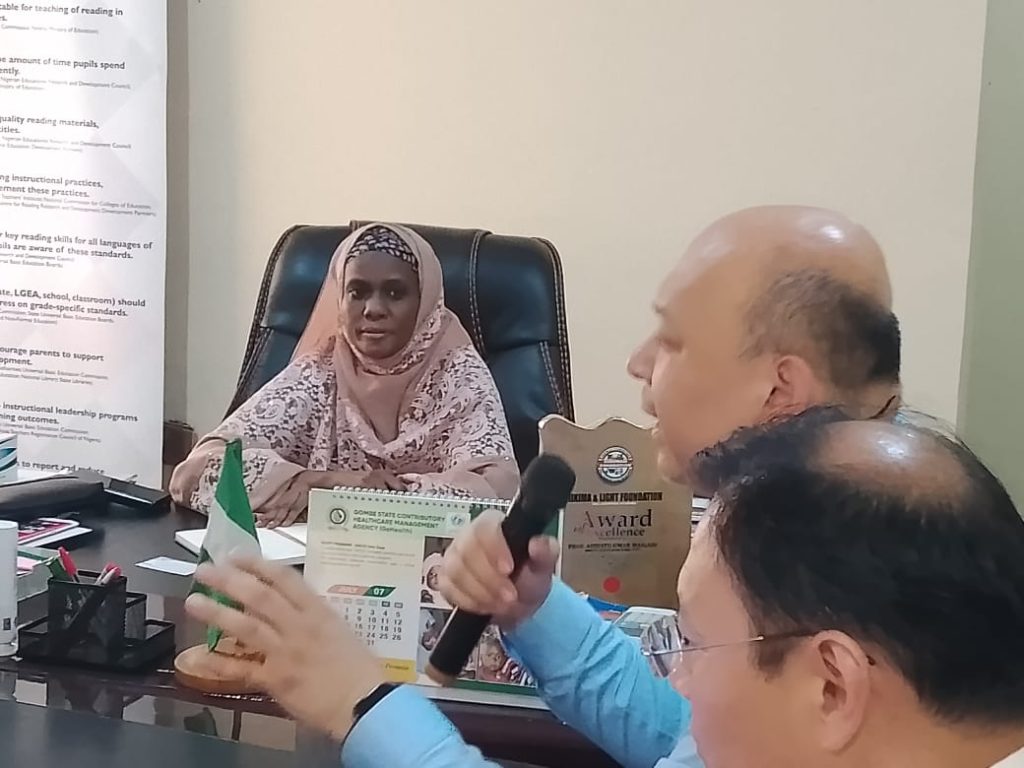
Gombe State Government has expressed readiness to partner with Jiangsu Linte Network Technology Co. Ltd of the Republic of China in teacher knowledge exchange and vocational training programmes. This was conveyed in a statement signed by Saidu Bappa Malala, Special Assistant (Media) to the Commissioner for Education, Prof. Aishatu Umar Maigari. According to the statement, Prof. Maigari disclosed this while receiving the Chairman and management team of the company in her office. She noted that the state government is always open to partnerships that will drive development and enhance capacity building for its citizens. The Commissioner highlighted that Gombe State is blessed with universities offering exceptional courses to equip the younger generation with relevant skills and knowledge. She also mentioned that the Muhammadu Buhari Mega Industrial Park, established by the state government, was designed to create job opportunities, foster skills acquisition, and attract investments under the administration of Governor Muhammadu Inuwa Yahaya. Read Also,: Unlike Others, Ganduje Completed All Projects Before His Exit Prof. Maigari assured the delegation of the state government’s readiness for any partnership that would bring further development and strengthen bilateral relations. Earlier, the leader of the delegation, Mr. Xue Kui, made a presentation on opportunities through clinical undergraduate and anaesthesiology education programmes at Jiangsu Medical University in China. He explained that the university offers professional courses in health, education, and other humanities—particularly to help developing countries build strong indigenous expertise in various fields. Mr. Xue Kui also commended the developmental strides of the Gombe State Government, describing its projects as people-oriented. The delegation later visited Gombe State University to assess the institution’s academic offerings and facilities.

Kano, National, News

How Ganduje’s Policies Affected Kano’s Rural Communities

Dr. Abdullahi Umar Ganduje’s administration as Governor of Kano State (2015–2023) was defined by a series of rural-focused policies aimed at improving livelihoods in remote communities. These initiatives were tailored to address the needs of herders, farmers, and low-income populations who often suffer from limited access to infrastructure and basic amenities compared to the urban centers. From road construction to veterinary services, Ganduje’s government executed several projects that touched the heart of rural Kano. His administration prioritized rural development as a key factor in addressing the root causes of migration, insecurity, and economic stagnation in the countryside. Related: Unlike Others, Ganduje Completed All Projects Before His Exit One of the signature achievements was the establishment of 25 housing units for herders in Dansoshiya Forest, Kiru Local Government Area. The settlement included water facilities, a veterinary clinic, a school, and grazing reserves. The housing project, reportedly worth hundreds of millions of naira, was aimed at reducing the long-standing herder-farmer conflict and improving settlement patterns for nomadic populations. This was in addition to the annual cattle vaccination exercise popularly known as Huji, carried out throughout his administration to boost the herders’ economy and ensure healthy livestock for urban consumption. In education, Ganduje constructed over 3,000 classrooms and rehabilitated hundreds more in rural areas between 2015 and 2021. According to the Kano State Ministry of Education’s 2021 report, about N17 billion was allocated to education in the 2020 budget, with a large portion directed toward primary and secondary schools in local governments across Kano State. Read Also: Why Kano APC Backs Ganduje, Declares Him ‘Undisputed Leader’ of the Party The administration also paid attention to agricultural reforms. Through the Kano Agro-Pastoral Development Project (KSADP), funded by the Islamic Development Bank (IsDB) and the Lives and Livelihoods Fund (LLF), Ganduje initiated large-scale rural empowerment programs. These included artificial insemination training for 60 herder youths (an initiative later reported to have faced bureaucratic implementation issues) and the establishment of milk collection centers. The KSADP alone had an estimated budget of $95 million, directly targeting over 200,000 farmers and herders. Road connectivity saw significant improvement. Rural roads linking agricultural zones to markets were constructed and some rehabilitated. For instance, feeder roads in Tudun Wada, Doguwa, and Gabasawa were part of the Rural Access and Agricultural Marketing Project (RAAMP), which had both federal and state joint funding. In 2019 alone, the state government allocated over N10 billion to rural infrastructure development. The Ganduje-led government also introduced empowerment schemes such as the Women and Youth Empowerment Programme, which included training in local crafts and provision of startup capital, especially for residents of remote LGAs like Makoda, Kunchi, and Sumaila. Over 50,000 beneficiaries reportedly received direct support through these schemes between 2017 and 2022. In health, primary healthcare centers in remote communities were rehabilitated and equipped, with the aim of achieving the Basic Healthcare Provision Fund (BHCPF) goals. The 2022 budget allocated over N5 billion to rural health services, including the upgrade of PHCs in Bebeji, Warawa, and Rogo LGAs. Despite criticisms from opposition figures that some projects were politically motivated, performance indices drawn from state budget reviews, third-party audits, and community testimonies suggest tangible impacts. Dr. Ganduje’s policies toward rural Kano were neither accidental nor cosmetic. They were grounded in the understanding that the economic backbone of the state resides in its hinterlands. By focusing on farmers, herders, and other rural dwellers, he left behind a model of development that, if sustained, could reshape the rural economy and reduce urban pressure. While every administration has areas for improvement, Ganduje’s rural focus supported by data, budgetary commitments, and visible projects remains a defining chapter in Kano’s development history. Umar is a political analyst and writes from Kano.

International, News

Emirates to Ban In-Flight Use of Power Banks from October 1

Emirates Airlines has announced that passengers will no longer be allowed to use power banks during flights, effective October 1, as part of new safety regulations. A power bank is a portable device used to charge electronic gadgets such as smartphones, tablets, laptops, and cameras. In a statement on Friday, the Dubai-based carrier said the decision follows a comprehensive safety review aimed at reducing risks linked to lithium battery incidents onboard. Passengers may still carry one power bank under 100 Watt Hours, but it cannot be used to charge devices during the flight, nor can it be charged using the aircraft’s power supply. The device must be stored in the seat pocket or in a bag under the seat in front, not in the overhead bin, and it remains prohibited in checked luggage. Read Also: Meet Engr. Abdullahi Garba Ramat, NERC Chairman Emirates cited the rising number of fire-related incidents involving lithium-ion and lithium-polymer batteries in the aviation industry. The airline noted that many basic power banks lack safeguards against overcharging, which can lead to dangerous overheating, fires, or explosions. The airline said the updated rules ensure cabin crew can quickly respond to any battery-related emergencies. “Safety is one of Emirates’ core values and a cornerstone of all operations,” the statement added. Emirates resumed flight operations to Nigeria in October 2024 after a two-year hiatus.

Scroll to Top