The Historica Nigeria

2025

Kano, Politics

Kano’s Political Probe: Ganduje’s Legacy Versus NNPP’s Scandals

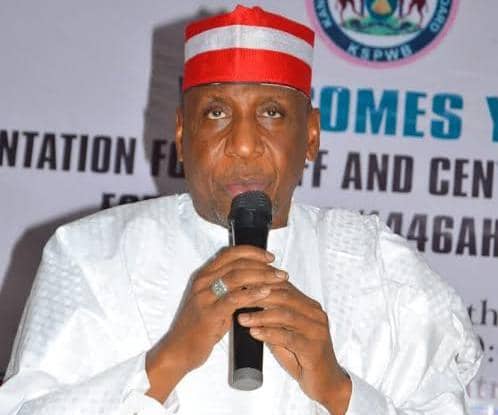
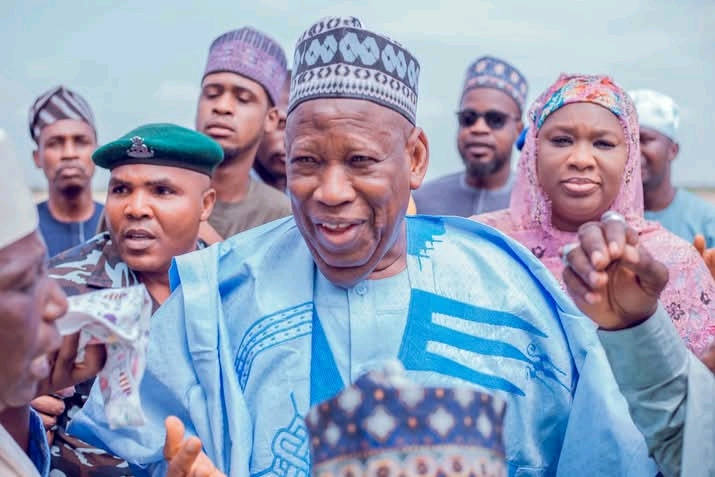
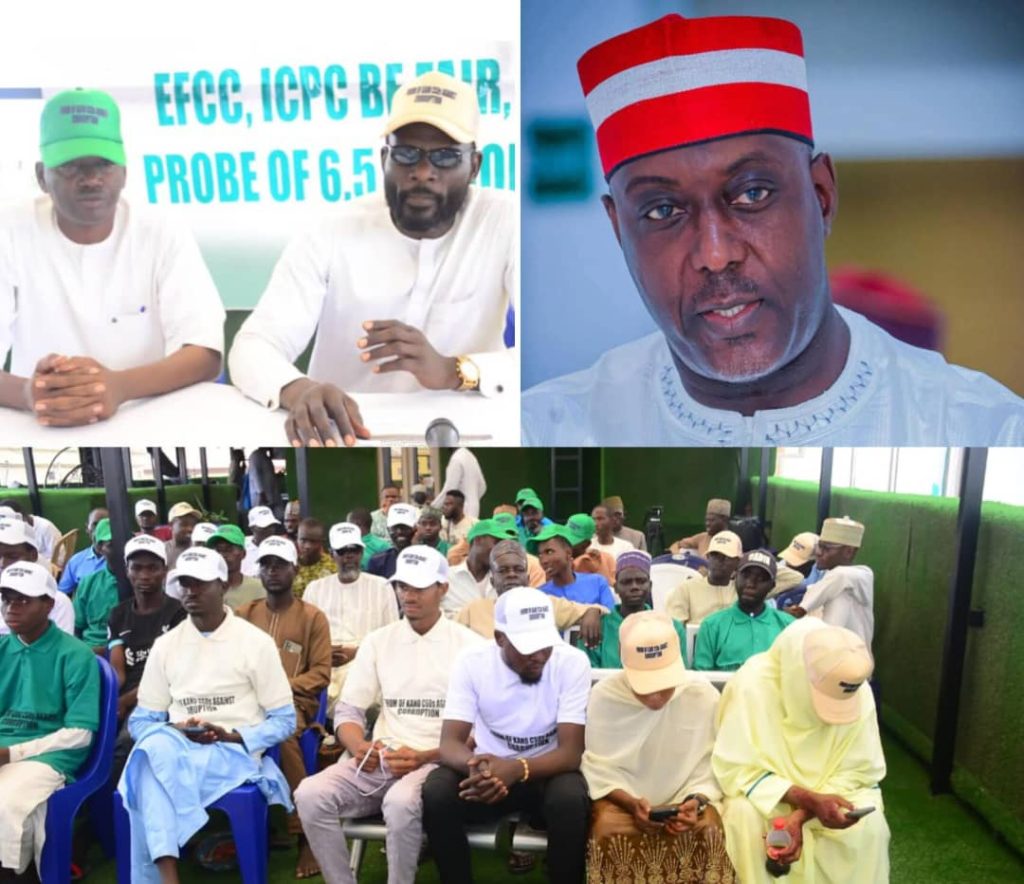
The announcement by the Kano State Government to probe former Governor Abdullahi Umar Ganduje over the alleged sale of the Nigerian Meat and Allied Products (NIMAP) Abattoir has ignited controversy across the state. Governor Abba Kabir Yusuf, through the Secretary to the State Government, inaugurated an 11-member panel headed by former anti-corruption chairman, Muhuyi Magaji Rimin-Gado, to investigate the transaction. The administration insists the probe is about accountability and recovery of public assets. But many Kano residents and civil society groups see a different picture. Read Also: Police Probe Kano ALGON Chair Over Factory Assault Allegations Only days ago, the Forum of Kano Civil Society Organisations Against Corruption staged a protest and solidarity walk, highlighting a litany of corruption scandals within the current NNPP-led government. These included the alleged diversion of ₦6.5 billion by the Director General of Protocol, Abdullahi Rogo, the Novomed multi-billion-naira medicine procurement scandal, the palliative diversion traced to warehouses of top aides, and questionable contracts under the women’s cash support and metropolitan road projects. Despite these unresolved scandals, the government has chosen to launch an investigation into Ganduje—a move critics describe as a political distraction aimed at shifting public focus from its own credibility crisis. Ganduje’s governance record Dr. Abdullahi Umar Ganduje’s administration, despite political rivalries, is remembered for stability, order, and continuity in governance. His government not only executed projects initiated under his leadership but also completed those inherited from previous administrations—strengthening development and ensuring progress across the state. From infrastructure to healthcare and education, Ganduje’s administration prioritized delivery and discipline in public service, giving citizens tangible results beyond partisan politics. These legacies stand in sharp contrast to the allegations of mismanagement and corruption now facing the NNPP government. The politics of diversion Launching probes against a past leader while failing to address corruption at home sends a troubling signal. To many, the current government’s selective accountability smacks of hypocrisy and political score-settling rather than genuine reform. The NNPP administration, still struggling with internal scandals and administrative lapses, risks being defined more by its distractions than its achievements. Targeting Ganduje without first cleaning its own house undermines the credibility of its anti-corruption rhetoric. The need for genuine accountability Accountability must be consistent, transparent, and devoid of political undertones. If Governor Abba Kabir Yusuf’s administration is serious about fighting corruption, it must first confront the scandals within its fold—recover looted funds, strengthen due process, and rebuild public trust through reforms that touch the lives of ordinary citizens. History will not judge leaders by the number of panels they inaugurate, but by the reforms they sustain and the integrity they uphold. In this respect, Ganduje’s legacy of continuity and delivery speaks louder than attempts to erase it with selective probes. For Kano, the real challenge is not revisiting past shadows but building a credible future where governance is rooted in solutions, not distractions.
Kano, News

Kano CSOs Protest, Demand Accountability Over Alleged N6.5bn Fraud

The Forum of Kano Civil Society Organisations (CSOs) Against Corruption yesterday staged a solidarity walk in Kano to protest the alleged diversion of N6.5 billion by the Director General of Protocol in the Kano State Government, Abdullahi Rogo, alongside other scandals under the present administration. The protest was aimed at showing support for anti-graft agencies and demanding justice, accountability and transparency in the management of public resources. The CSOs said corruption has betrayed public trust, siphoned billions of naira and left the people of Kano in worsening poverty. They accused the state government of engaging in propaganda and denial to downplay the scandal despite evidence from investigations by the Economic and Financial Crimes Commission (EFCC) and the Independent Corrupt Practices and Other Related Offences Commission (ICPC). Read Also: Police Probe Kano ALGON Chair Over Factory Assault Allegations According to the group, the ICPC had already recovered N1.2 billion of the diverted funds, while the EFCC and ICPC continued probing. They also listed other alleged scandals, including diversion of federal government palliatives into private warehouses, the Novomed drug contract in which billions were paid but no drugs delivered, mismanagement of agricultural funds under the ACRESAL project, diversion of women’s N50,000 cash support scheme, inflated metropolitan road contracts and the hoarding and rebranding of food relief items. The CSOs argued that if the N6.5 billion was properly utilised, it could have provided clean water to communities, rehabilitated schools, funded WAEC, NECO and JAMB exams, reopened technical colleges, built and equipped hospitals, upgraded roads and enhanced security infrastructure across the state. They called on the EFCC and ICPC to remain resolute and pursue the cases without fear or favour, urged the Kano State House of Assembly to set up a committee to investigate the scandals and asked the judiciary to resist compromise in handling corruption cases. They also condemned harassment of journalists and civil society groups by the state government. The forum urged Kano residents to rise beyond political differences and join the fight against corruption, stressing that the resources of the state must serve the people, not a few individuals.

Kano, News

Police Probe Kano ALGON Chair Over Factory Assault Allegations

The Kano State Police Command has launched an investigation into the Chairperson of Tudun Wada Local Government Council and Kano ALGON chair, Sa’adatu Salisu, over allegations that she led thugs to attack workers at a factory and ordered her police orderly to open fire. The case was reported by Tasarrufi General Enterprise, whose staff alleged that on Thursday, August 28, Salisu stormed their facility with more than 200 thugs armed with weapons, leaving several workers injured. Police spokesman Abdullahi Kiyawa confirmed that a formal complaint had been filed and that both Salisu and her orderly had been summoned. Read Also: Kano Assembly to Probe ALGON Chair Over Alleged Farmland Seizure in Tudun Wada “All the witnesses and the suspect have been invited. The orderly to the ALGON chairperson has also been recalled to the command to give account of the matter,” Kiyawa said. Factory manager Suyudi Umar alleged that the council boss had earlier confronted him and a road project engineer, insisting that the factory be relocated despite confirmation it was not affected by the road construction. “This is the fourth time Sa’adatu has come to my factory. I was shocked that as a leader, she could lead thugs to attack my staff. That is why I reported the matter to the police to seek justice,” Umar said. The investigation is ongoing.

National, News

IGP Appoints New Police Spokesperson

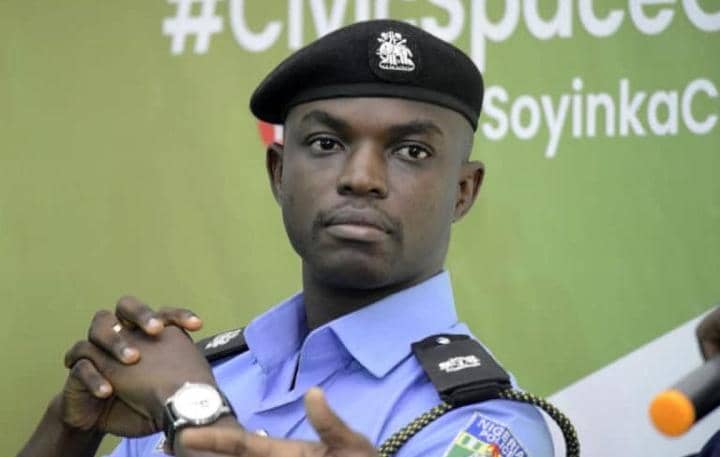
Nigeria’s Inspector-General of Police, Kayode Egbetokun, has appointed Chief Superintendent of Police (CSP) Benjamin Hundeyin as the new Force Public Relations Officer (FPRO). Hundeyin replaces outgoing spokesperson DCP Olumuyiwa Adejobi. With experience as the Police Public Relations Officer for the Lagos State Command and postings at the Zone 2 Command in Lagos and the Force Headquarters in Abuja, Hundeyin is well-equipped for his new role. He also participated in Nigeria’s UN peacekeeping mission in Darfur in 2020. Read Also: Police Confirm Promotion, Redeployment of Adejobi to Delta State The Inspector-General of Police has tasked Hundeyin with strengthening the Force’s public relations activities and ensuring positive engagement with the public. Hundeyin holds a bachelor’s degree in English Language from Lagos State University and a master’s degree in Legal Criminology and Security Psychology from the University of Ibadan. He is also an associate of several professional bodies, including the Nigerian Institute of Public Relations and the Chartered Institute of Personnel Management of Nigeria.

National, News

Tinubu Embarks on 10-Day Working Vacation in Europe

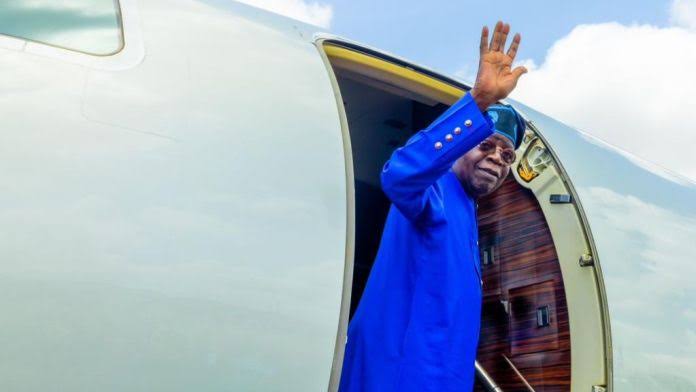
President Bola Ahmed Tinubu on Thursday began a 10-day vacation as part of his 2025 annual leave, the Presidency has announced. In a statement signed by his Special Adviser on Information and Strategy, Bayo Onanuga, the President departed Abuja for Europe, where he is expected to spend his leave between France and the United Kingdom. Read Also: FG Declares Public Holiday for Eid-ul-Maulud “The vacation will last 10 working days. President Tinubu will spend the period between France and the UK and then return to the country,” the statement read.

Abuja, News

FCT Minister Flags Off Reconstruction of Karu Road

The Minister of the Federal Capital Territory (FCT), Barrister Nyesom Wike, on Tuesday flagged off the reconstruction of the Karu Road, stretching from the Karu Interchange to the Customs Clinic Junction in Abuja Municipal Area Council. The event, attended by senior government officials, marked a major step toward easing traffic congestion in the Karu axis and improving connectivity with other parts of the FCT. Speaking at the ceremony, Dr. Mariya Mahmoud Bunkure described the project as a crucial intervention that would greatly benefit residents of Karu and its environs. She noted that the reconstruction would ensure smoother movement for commuters and goods, thereby boosting economic activities. Read Also: FCT Minister of State Mourns Passing of Head of Service Grace Adayilo She expressed appreciation to President Bola Ahmed Tinubu for prioritizing life-transforming infrastructural projects under the Renewed Hope Agenda and commended the FCT Minister for his pragmatic leadership and commitment to modernizing road infrastructure across the capital. Dr. Mahmoud said the project reflects the administration’s resolve to deliver meaningful development that directly impacts the daily lives of citizens.

Jigawa, News

Jigawa Political Icon Felicitates Muslims on Eid-ul-Maulud

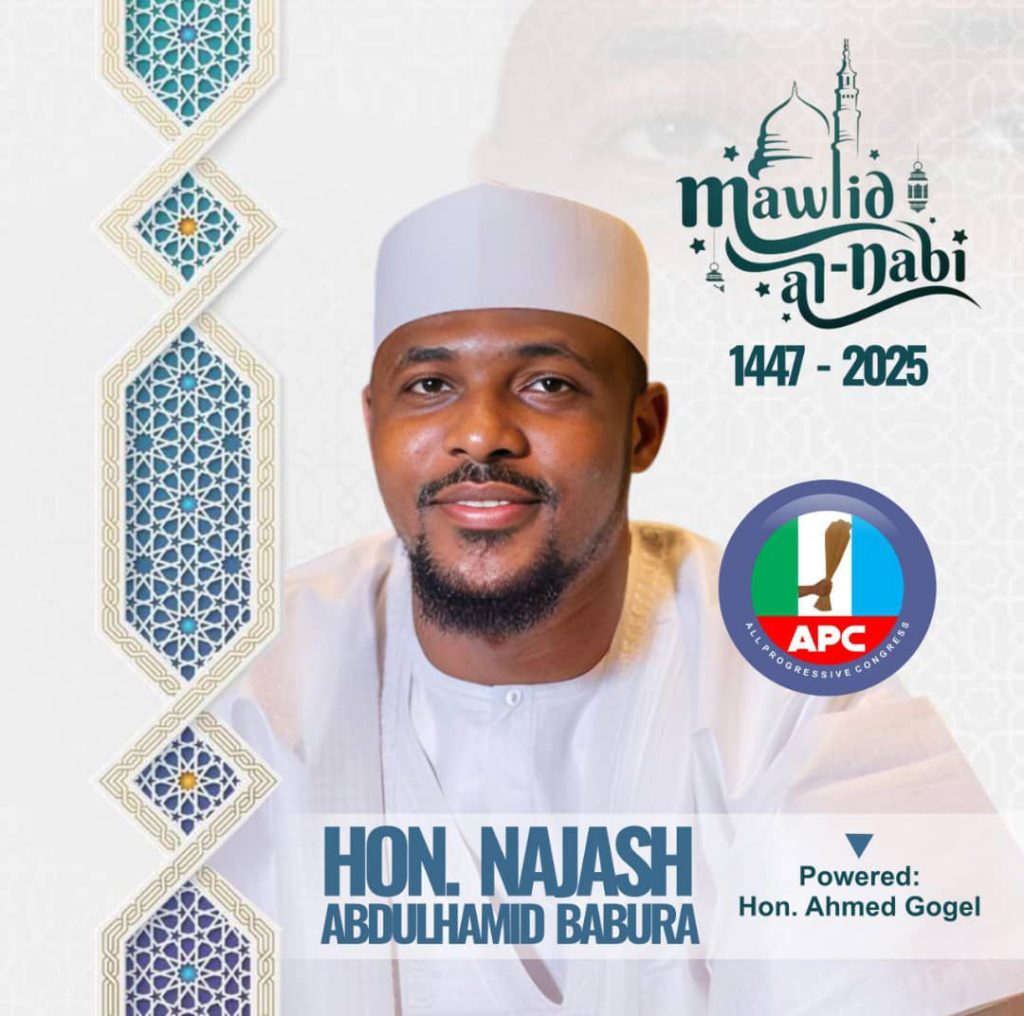
A prominent political figure in Jigawa State, Hon. Najash Abdulhamid Babura, has congratulated the Muslim Ummah in the state and across the world on the occasion of this year’s Eid-ul-Maulud, marking the birth anniversary of Prophet Muhammad (peace be upon him). In a goodwill message issued on Thursday, Babura described the day as one of great blessing, reminding Muslims of the mercy Allah bestowed upon the universe through the Prophet (peace be upon him). Quoting the Qur’an, he said: “And We have not sent you, [O Muhammad], except as a mercy to the worlds.” Read Also: Jiwa Emirate Confers Traditional Title on Ganduje’s Grandson He also called on Muslims to increase their prayers and salutations upon the Prophet, referencing the verse: “Indeed, Allah and His angels send blessings upon the Prophet. O you who have believed, send blessings upon him and greetings of peace.” Babura further cited the Prophet’s Hadith: “Whoever sends blessings upon me once, Allah will send blessings upon him tenfold,” stressing the spiritual rewards of consistent prayers upon the Prophet. He urged the faithful to emulate the Prophet’s noble qualities of truthfulness, trustworthiness, justice, compassion, and patience. “May Allah bless us with peace, strengthen the bonds of brotherhood among us, and make us among those who truly follow the Prophet in this world and on the Day of Judgment,” he prayed.

Feature, Kano, News

ACF’s confused dance: When regional elders choose symbols over solutions

When the Arewa Consultative Forum (ACF) launched the Kano State Security Council in April 2025, it came with military pageantry, high-powered names, and media fanfare. The public was told this council would serve as a strategic grassroots intervention against insecurity in the state and beyond. Retired generals spoke with conviction. General Idris Bello Dambazau (Rtd) sounded the alarm: “Time in service is life. One minute can cost lives.” The people believed something real was about to happen. But four months later, the council has faded into obscurity. No briefings. No townhall engagements. No reports. No results. It has vanished like a sunset that never returned. Read Also: Kano Gets 5,684 Slots for 2026 Hajj, Deposit Fixed at N8.5m And now, as if choreographed, ACF has rolled out yet another grand structure—the Kano State Elders Advisory Council—again boasting a long list of respected names, powerful politicians, intellectuals, clerics, and retired public figures. But one must ask: is ACF genuinely unaware of the worsening crisis in Kano? Or is it performing a different kind of politics—one that serves quiet ambitions more than public good? Where is ACF in the face of Kano’s reality? Kano is deteriorating not in theory, not on paper—but in painful, visible, everyday reality. Drug abuse is ravaging the youth population, hollowing out the potential of a generation. Phone snatching has become a daily source of trauma across the city’s streets. Thuggery and gangsterism now thrive in both urban and semi-urban areas, turning neighborhoods into zones of fear. And yet, ACF—supposedly the moral and intellectual conscience of Northern Nigeria—is busy launching duplicate advisory bodies, while the security council it inaugurated barely months ago has become a ghost platform. This isn’t just disappointing. It’s dangerous. If the elders, generals, and technocrats of the North cannot see or feel the people’s pain, then what exactly are they advising on? What truths are they unwilling to confront? A council mirroring government: Is this innovation or imitation? What is most troubling about the newly announced Elders Advisory Council is not merely its redundancy but its composition. The structure of the council is, alarmingly, a carbon copy of the Kano State Government’s own advisory council. It features the same chairperson and a near-identical lineup of members. This raises a critical question: is the ACF Kano chapter operating at such a rudimentary and unimaginative level that it now simply mimics state initiatives without adding original thought or contextual relevance? What purpose is served by duplicating governmental blueprints, other than confusion and bureaucratic clutter? If this is what passes for grassroots strategy, then ACF is playing checkers where chess is required. Kano State Government must stop dragging its feet Equally, the Kano State Government must reflect on its own silence. The Elders Council announced by Governor Abba Kabir Yusuf in 2024 remains— incredibly—not inaugurated. Over a year has passed, and nothing concrete has emerged. This procrastination is not a harmless delay; it breeds suspicion, encourages speculation, and creates a leadership vacuum that parallel organizations like ACF are now exploiting. In matters of security and civic engagement, delay is negligence. The state must act urgently—not only to inaugurate its own council but also to clarify its role, communicate its goals, and coordinate with relevant stakeholders. ACF: Is this leadership or a game of shadows? One cannot help but feel that ACF is adrift. Each new council looks like a stage performance. Each launch increasingly resembles a power play rather than a pathway to community transformation. Does ACF realize that its name—once synonymous with regional authority—is steadily losing relevance? People are beginning to whisper: is ACF now more invested in appearances than outcomes? In the absence of real results, perception becomes everything. And right now, the perception is damning. What ACF should be doing if it were serious If ACF truly meant business in Kano, it would not be limiting itself to ceremonial unveilings. It would be rolling up its sleeves and confronting the real crises on the ground. It should be establishing drug rehabilitation and youth mentorship centers in every local government area to rescue our youth from addiction and hopelessness. It should be organizing community policing dialogues with genuine grassroots participation to rebuild public trust and civic cooperation. It should be offering support for education reforms—especially at the foundational and girl-child levels—to secure the North’s long-term intellectual future. It should be launching healthcare outreach programs, especially maternal and child health interventions, to tackle avoidable deaths in underserved communities. It should be empowering local farmers through rural agriculture support schemes tailored to the region’s economic profile. It should be creating practical skill acquisition programs that address the blight of youth unemployment. It should be leading public ethics and civic reorientation campaigns aimed at reviving the cultural values and discipline once central to the Arewa identity. These are not pipe dreams. They are pressing, practical needs. And ACF, with its historic network, institutional memory, and social capital, is uniquely positioned to lead such efforts. But leadership is not about holding press conferences. It is about holding the line. The councils sound powerful but feel groundless Even with celebrated names on paper, both the Security Council and the new Elders Advisory Council appear disconnected from the grassroots. They show no signs of engagement with youth movements. There is no meaningful collaboration with local government authorities. Civil society input is glaringly absent. So again—who are these councils for? Leadership cannot be driven from the comfort of conference rooms. It must rise from the dust of the streets, from the communities that carry the burdens. A gentle but urgent advice to ACF To the elders, generals, technocrats, and respected voices within the ACF—your time, experience, and voices still matter, but only if they are anchored in clarity and purpose. You do not need to compete with government. You need to complement it. You do not need to impress the media. You need to impact communities. You do not need to inaugurate another council. You need to execute a coherent strategy.

Kano, News, Religious

Kano Gets 5,684 Slots for 2026 Hajj, Deposit Fixed at N8.5m

The Kano State Pilgrims Welfare Board has announced that intending pilgrims for the 2026 Hajj exercise are required to pay a deposit of N8.5 million to secure their seats. The announcement was made by the Director-General of the board, Lamin Danbappa, during a meeting with management staff, members, and Local Government Hajj Centre officers. Read Also: Ganduje Inspects Islamic Centre Project in Abuja According to a statement issued on Wednesday by the board’s Public Relations Officer, Sulaiman Dederi, the amount was fixed by the National Hajj Commission of Nigeria (NAHCON) and will be collected through bank drafts submitted via Local Government Hajj Centres. Danbappa disclosed that Kano State has been allocated 5,684 seats for the 2026 pilgrimage. He added that collection of deposits begins immediately and will close on October 5, 2025, when the final Hajj fare will also be announced. The Director-General urged prospective pilgrims to ensure timely payments in line with the schedule released by the Kingdom of Saudi Arabia. He further reminded applicants that registration requires a valid international passport and eight passport-sized photographs.

Abuja, News

Jiwa Emirate Confers Traditional Title on Ganduje’s Grandson

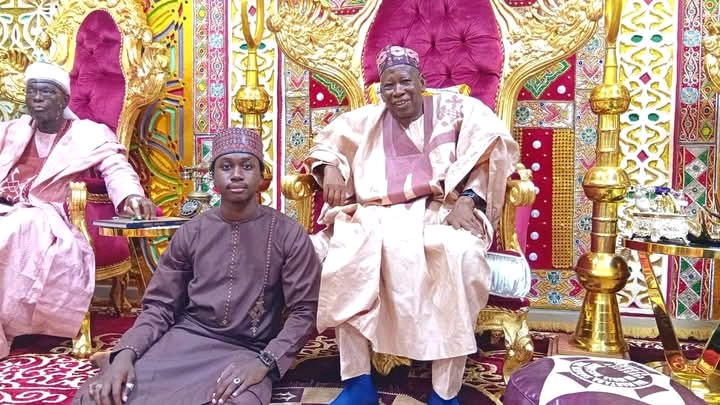
The Emir of Jiwa, His Royal Highness Dr. Idris Musa (MFR), has conferred the traditional title of Chikasoron Jiwa on Abdullahi Ibrahim Alhassan, grandson of former Governor of Kano State and immediate past National Chairman of the All Progressives Congress (APC), Dr. Abdullahi Umar Ganduje. The conferment was formalized on Wednesday when the monarch presented the letter of appointment to Ganduje during a visit to the emirate. Read Also: Ganduje Inspects Islamic Centre Project in Abuja According to the Emir, the recognition was in appreciation of Alhassan’s contributions to the development of the Jiwa community, as well as his demonstrated loyalty and cordial relationship with the palace. He added that the title symbolizes a bond of responsibility, urging the new titleholder to uphold the values of service and community development. The event further underscores the longstanding cultural and historical significance of traditional institutions in the Federal Capital Territory and northern Nigeria at large, where honorary titles are used to celebrate individuals who contribute positively to society. Dr. Ganduje, who served as Kano State Governor between 2015 and 2023 before emerging as APC National Chairman, has deep political and social ties that extend beyond Kano, with the Jiwa Emirate recognizing his family’s relationship with the palace through this honour. Observers noted that the title for Alhassan is not only a recognition of his personal contributions but also a reflection of the enduring bond between the Ganduje family and the Jiwa Emirate, highlighting the role of traditional authority in fostering unity, loyalty, and community service.

Scroll to Top